

GIVE THE PERFECT GIFT
Erin Mills Town Centre Gift Cards are the perfect choice for your gift giving needs.Purchase gift cards at kiosks near the food court or centre court, at Guest Services, or click below to purchase online.PURCHASE HEREHome
Seeing Through Closed Eyelids: Giuseppe Penone and the Nature of Sculpture
Indigo
Loading Inventory...
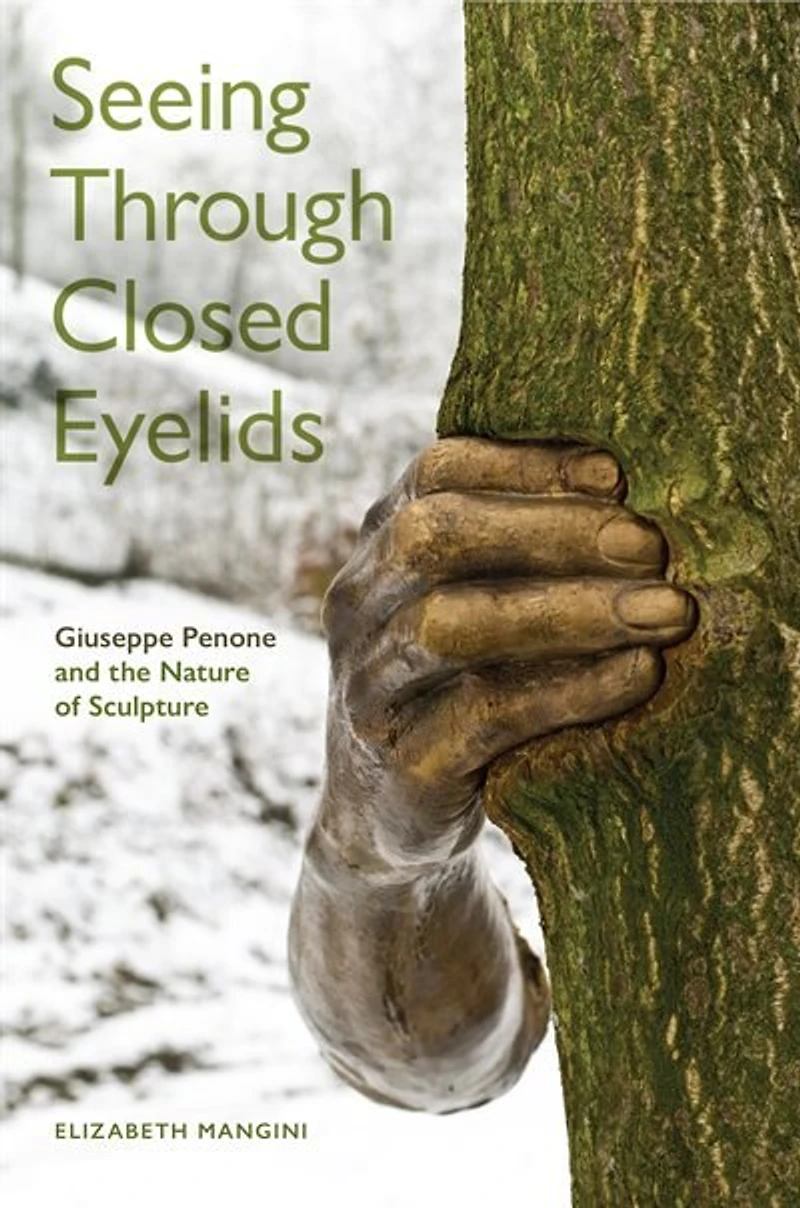
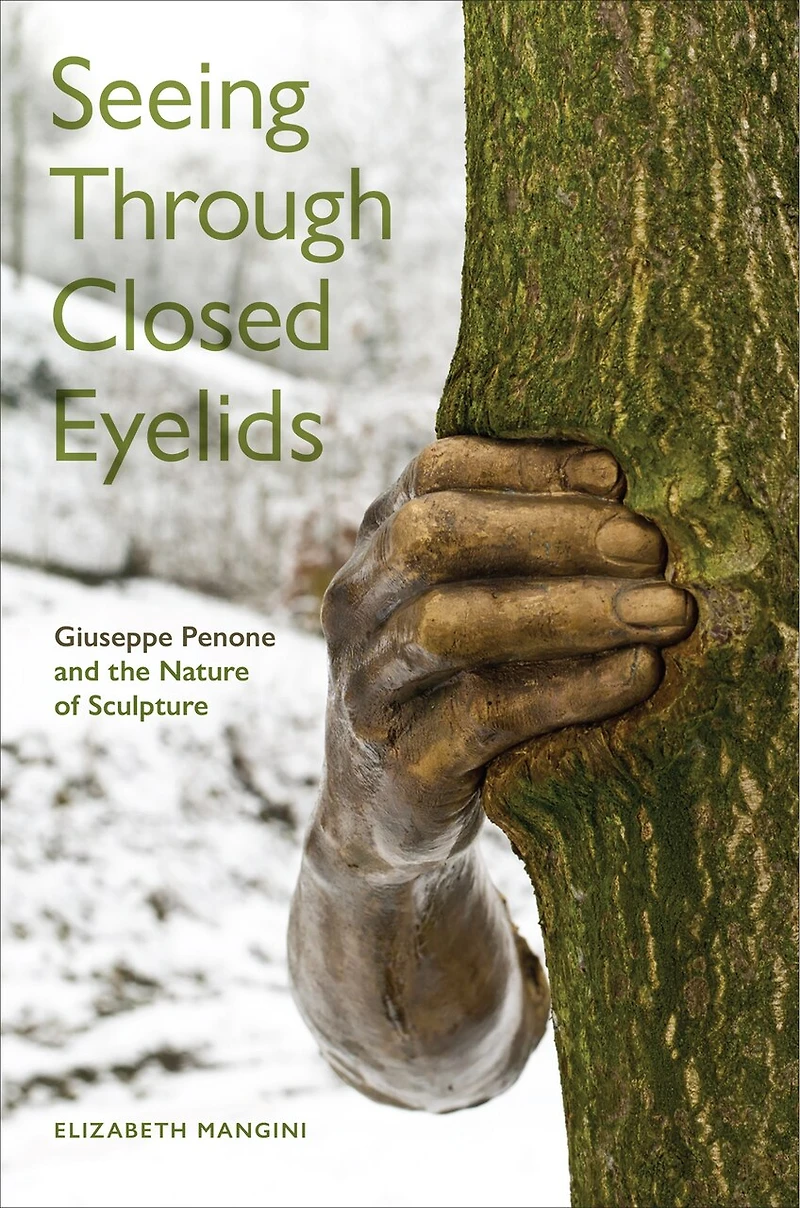
Seeing Through Closed Eyelids: Giuseppe Penone and the Nature of Sculpture
Current price: $68.00

Seeing Through Closed Eyelids: Giuseppe Penone and the Nature of Sculpture
Current price: $68.00
Loading Inventory...
Size: Hardcover
*Product information may vary - to confirm product availability, pricing, shipping and return information please contact Indigo
Can a work of art help us know our world differently? In this first scholarly study of Giuseppe Penone, art historian Elizabeth Mangini argues that the Italian artist’s engagement of the body’s multiple senses constitutes a new theory of sculpture as a means to connect with and know the phenomenal world. Through close readings of signal works across Penone’s five-decade career – from his emergence in the context of 1960s Arte povera to his position as a pre-eminent contemporary artist today – Mangini demonstrates how Penone refuses modernist opticality, recasts artistic labour, and emphasizes a non-anthropocentric concept of time. Penone’s approach challenges viewers to broaden their sensory and temporal perceptions, creating structurally significant new ways to understand human experience.
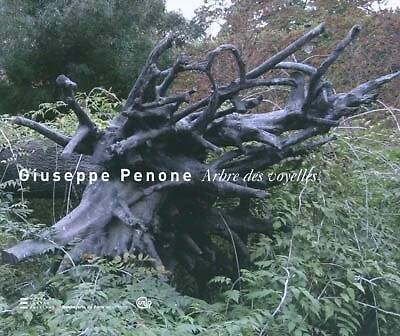
Giuseppe Penone is best known for his engagement with trees, which he employs as raw material, imagery, and an active force in the creative process. Seeing Through Closed Eyelids suggests that such works materialize the perceptible tensions between any organism and its environment. By locating Penone’s art in its social context and connecting it to broader discourses about art’s status, theories of phenomenology, and the anthropocene, this book offers an original reading of Penone’s work, as well as a wider view of the artistic generation for whom sculpture was a means to probe the nature of experience itself at the dawn of postmodernism.
Can a work of art help us know our world differently? In this first scholarly study of Giuseppe Penone, art historian Elizabeth Mangini argues that the Italian artist’s engagement of the body’s multiple senses constitutes a new theory of sculpture as a means to connect with and know the phenomenal world. Through close readings of signal works across Penone’s five-decade career – from his emergence in the context of 1960s Arte povera to his position as a pre-eminent contemporary artist today – Mangini demonstrates how Penone refuses modernist opticality, recasts artistic labour, and emphasizes a non-anthropocentric concept of time. Penone’s approach challenges viewers to broaden their sensory and temporal perceptions, creating structurally significant new ways to understand human experience.
Giuseppe Penone is best known for his engagement with trees, which he employs as raw material, imagery, and an active force in the creative process. Seeing Through Closed Eyelids suggests that such works materialize the perceptible tensions between any organism and its environment. By locating Penone’s art in its social context and connecting it to broader discourses about art’s status, theories of phenomenology, and the anthropocene, this book offers an original reading of Penone’s work, as well as a wider view of the artistic generation for whom sculpture was a means to probe the nature of experience itself at the dawn of postmodernism.
You May Also Like













More About Indigo at Erin Mills Town Centre
The largest book retailer in Canada also offers toys, music, home décor, gifts and lifestyle products. What's Inside...Books, Magazines, CD’s and DVD’s, Toys and Gifts, Home Accents, Electronics, Baby’s and Children’s Section, Bath and Body, Kitchen and Bedroom, Stationary Located outside in the exterior plaza.
5015 Glen Erin Dr, Mississauga, ON L5M 0R7, Canada
Find Indigo at Erin Mills Town Centre in Mississauga ON
Visit Indigo at Erin Mills Town Centre in Mississauga ON