

GIVE THE PERFECT GIFT
Erin Mills Town Centre Gift Cards are the perfect choice for your gift giving needs.Purchase gift cards at kiosks near the food court or centre court, at Guest Services, or click below to purchase online.PURCHASE HEREHome
Semantic Acquisition Games: Harnessing Manpower for Creating Semantics
Indigo
Loading Inventory...
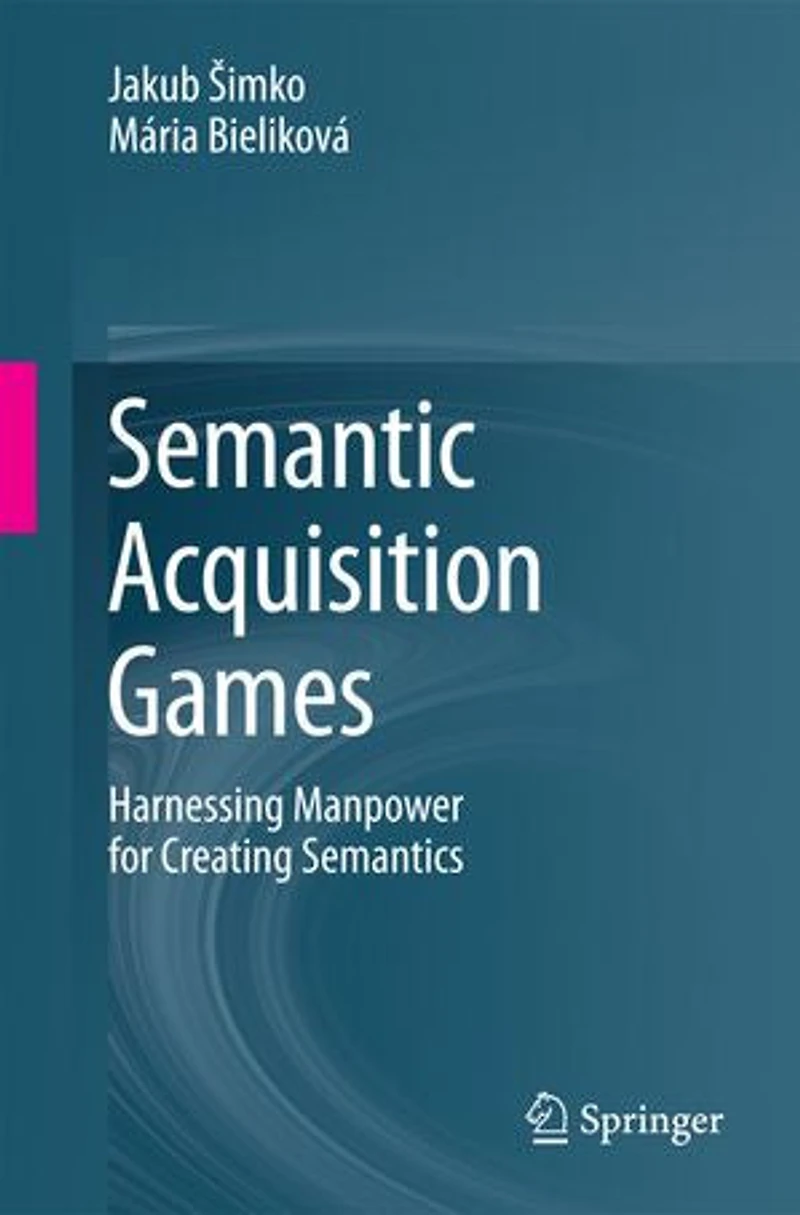
Semantic Acquisition Games: Harnessing Manpower for Creating Semantics
Current price: $64.49
Original price: $80.62

Semantic Acquisition Games: Harnessing Manpower for Creating Semantics
Current price: $64.49
Original price: $80.62
Loading Inventory...
Size: Kobo eBook
*Product information may vary - to confirm product availability, pricing, shipping and return information please contact Indigo
Many applications depend on the effective acquisition of semantic metadata, and this state-of-the-art volume provides extensive coverage of the field of semantics acquisition games (SAGs). SAGs are a part of the crowdsourcing approach family and the authors analyze their role as tools for acquisition of resource metadata and domain models. Three case studies of SAG-based semantics acquisition methods are shown, along with other existing SAGs: 1. the Little Search Game - a search query formulation game using negative search, serving for acquisition of lightweight semantics. 2. the PexAce - a card game acquiring annotations to images. 3. the CityLights - a SAG used for validation of music metadata. The authors also look at the SAGs from their design perspectives covering SAG design issues and existing patterns, including several novel patterns. For solving cold start problems, a "helper artifact" scheme is presented, and for dealing with malicious player behavior, a posteriori cheating detection scheme is given. The book also presents methods for assessing information about player expertise, which can be used to make SAGs more effective in terms of useful output.
Many applications depend on the effective acquisition of semantic metadata, and this state-of-the-art volume provides extensive coverage of the field of semantics acquisition games (SAGs). SAGs are a part of the crowdsourcing approach family and the authors analyze their role as tools for acquisition of resource metadata and domain models. Three case studies of SAG-based semantics acquisition methods are shown, along with other existing SAGs: 1. the Little Search Game - a search query formulation game using negative search, serving for acquisition of lightweight semantics. 2. the PexAce - a card game acquiring annotations to images. 3. the CityLights - a SAG used for validation of music metadata. The authors also look at the SAGs from their design perspectives covering SAG design issues and existing patterns, including several novel patterns. For solving cold start problems, a "helper artifact" scheme is presented, and for dealing with malicious player behavior, a posteriori cheating detection scheme is given. The book also presents methods for assessing information about player expertise, which can be used to make SAGs more effective in terms of useful output.
You May Also Like











More About Indigo at Erin Mills Town Centre
The largest book retailer in Canada also offers toys, music, home décor, gifts and lifestyle products. What's Inside...Books, Magazines, CD’s and DVD’s, Toys and Gifts, Home Accents, Electronics, Baby’s and Children’s Section, Bath and Body, Kitchen and Bedroom, Stationary Located outside in the exterior plaza.
5015 Glen Erin Dr, Mississauga, ON L5M 0R7, Canada
Find Indigo at Erin Mills Town Centre in Mississauga ON
Visit Indigo at Erin Mills Town Centre in Mississauga ON