

GIVE THE PERFECT GIFT
Erin Mills Town Centre Gift Cards are the perfect choice for your gift giving needs.Purchase gift cards at kiosks near the food court or centre court, at Guest Services, or click below to purchase online.PURCHASE HEREHome
Send Some King's Ships: U.S. Navy, Royal Naval Patrol Service, and Royal Canadian Navy Ships Combating German U-boats off North America's Eastern Seaboard and RNPS and South African Naval Forces Vessel in African Waters as well, 1942-1945
Indigo
Loading Inventory...
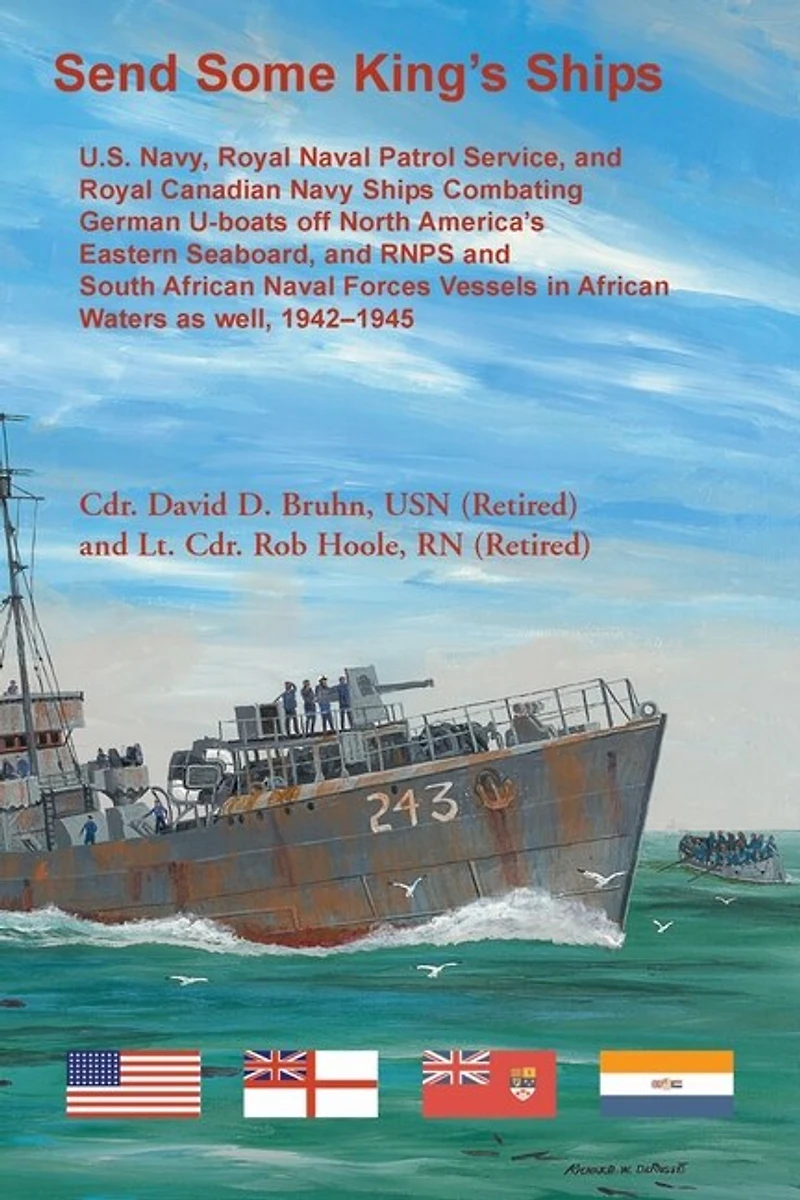
Send Some King's Ships: U.S. Navy, Royal Naval Patrol Service, and Royal Canadian Navy Ships Combating German U-boats off North America's Eastern Seaboard and RNPS and South African Naval Forces Vessel in African Waters as well, 1942-1945
Current price: $51.00

Send Some King's Ships: U.S. Navy, Royal Naval Patrol Service, and Royal Canadian Navy Ships Combating German U-boats off North America's Eastern Seaboard and RNPS and South African Naval Forces Vessel in African Waters as well, 1942-1945
Current price: $51.00
Loading Inventory...
Size: Paperback
*Product information may vary - to confirm product availability, pricing, shipping and return information please contact Indigo
In January 1942, following the United States' entry into WWII, German U-boats began a reign of terror off America's Eastern Seaboard; over the next several months, sinking hundreds of ships almost at will. With the combatant ships of the then-small U.S. Navy, spread thin in distant theaters, Vice Admiral Andrews desperately sought vessels to protect the coast. Those available consisted of Navy remnants of World War I, private yachts and fishing vessels hastily obtained and armed, and a few small Coast Guard cutters. This force was insufficient to protect major ports, let alone escort merchantmen. Andrews needed help, and got it when Great Britain sent twenty-four King's ships to America to operate under his command. Eventually, with a gradual increase in the numbers of aircraft and ships available to search for and find U-boats, the enemy moved on to South African waters where the hunting was easier. The eighteen remaining King's ships followed, and began anew, to assist a small, unprepared Navy to combat the deadly menace. One hundred, thirty-two photographs, maps and diagrams; appendices; a bibliography; and an index to full names, places, and subjects add value to this work.
2022, 6x9, paper, index, 398 pp
In January 1942, following the United States' entry into WWII, German U-boats began a reign of terror off America's Eastern Seaboard; over the next several months, sinking hundreds of ships almost at will. With the combatant ships of the then-small U.S. Navy, spread thin in distant theaters, Vice Admiral Andrews desperately sought vessels to protect the coast. Those available consisted of Navy remnants of World War I, private yachts and fishing vessels hastily obtained and armed, and a few small Coast Guard cutters. This force was insufficient to protect major ports, let alone escort merchantmen. Andrews needed help, and got it when Great Britain sent twenty-four King's ships to America to operate under his command. Eventually, with a gradual increase in the numbers of aircraft and ships available to search for and find U-boats, the enemy moved on to South African waters where the hunting was easier. The eighteen remaining King's ships followed, and began anew, to assist a small, unprepared Navy to combat the deadly menace. One hundred, thirty-two photographs, maps and diagrams; appendices; a bibliography; and an index to full names, places, and subjects add value to this work.
2022, 6x9, paper, index, 398 pp
You May Also Like









More About Indigo at Erin Mills Town Centre
The largest book retailer in Canada also offers toys, music, home décor, gifts and lifestyle products. What's Inside...Books, Magazines, CD’s and DVD’s, Toys and Gifts, Home Accents, Electronics, Baby’s and Children’s Section, Bath and Body, Kitchen and Bedroom, Stationary Located outside in the exterior plaza.
5015 Glen Erin Dr, Mississauga, ON L5M 0R7, Canada
Find Indigo at Erin Mills Town Centre in Mississauga ON
Visit Indigo at Erin Mills Town Centre in Mississauga ON