

GIVE THE PERFECT GIFT
Erin Mills Town Centre Gift Cards are the perfect choice for your gift giving needs.Purchase gift cards at kiosks near the food court or centre court, at Guest Services, or click below to purchase online.PURCHASE HEREHome
Septuagint - Haggai
Indigo
Loading Inventory...
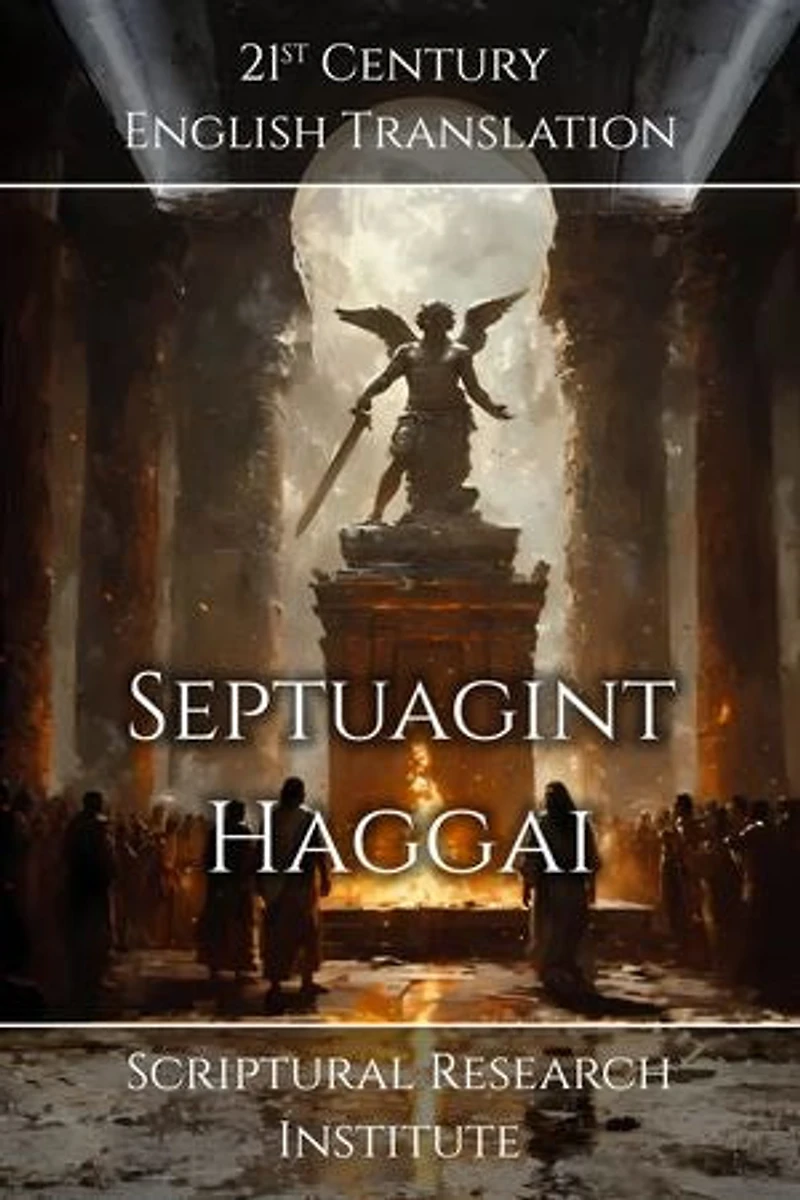
Septuagint - Haggai
Current price: $4.99

Septuagint - Haggai
Current price: $4.99
Loading Inventory...
Size: Kobo eBook
*Product information may vary - to confirm product availability, pricing, shipping and return information please contact Indigo
The Book of Haggai is set in the year 421 BCE, year 2 of King Darius II of the Persian Empire. Most scholars accept that Haggai was written shortly after 421 BCE, however, it appears to have been written about Haggai, and not by him. Very little is known about him, as the era he lived in was part of the so-called missing years of Rabbinical history. His world was very different from the later Kingdom of Judea that emerged in the 2ⁿᵈ century BC, as the Israelites of his time were still hedonistic, worshiping the God Shaddai, but still recognizing the existence of the Canaanite gods including Shamayim, who Josiah had banned a century earlier, and Eretz, the earth-goddess.
In the Septuagint’s 1st Ezra, Zerubbabel was listed as traveling to Jerusalem in the second year of the Persian king Darius II, which was 421 BCE. This dating is confirmed by the so-called “Passover Letter” found among the Elephantine papyri, which is dated to 418 BCE. Zerubbabel was listed as both the son of Shealtiel, and the son of Pediah in different texts. Shealtiel was the son of King Jehoiachin of Judah, who was captured as a hostage in the Seige of Jerusalem of 597 BCE. Shealtiel became the second exilarch of the Judahites after his father died sometime between 562 and 557 BCE. The Judahite Apocalypse of Erza was reportedly written by Shealtiel in 557 BCE, who appears to have been the exilarch at the time.
Shealtiel had a brother named Pediah, however, Pediah and Zerubbabel appear to have been names reused by the family, as Zerubbabel the son of Pediah arrived in Jerusalem around 170 years after the Pedaiah, son of Jehoiachin appears to be referenced in the Jehoiachin’s Rations Tablets. The ratio tablets were discovered in an archeological dig in Babylon, and are dated to circa 592 BCE. The tablets do not mention Pediah by name but do mention Iaa'úkinu and his five sons. and his five sons. This is accepted as a reference to Jehoiachin, and his five eldest sons, which includes Pedaiah, the fourth eldest. As Zerubabel the son of Pediah was also listed as being a son, or descendent, of Shealtiel, this indicates that Zerubabel the son of Pediah, and his father Pediah were descendants of Shealtiel.
In the Book of Haggai, Zerubbabel was the governor of the Persian province of Yehud Medinata who began rebuilding the temple in 421 BCE, under King Darius. Darius II seized the throne of the Persian Empire in 423 BCE, shortly after the death of King Artaxerxes I, who the books of Ezra claim stopped the work to rebuild the temple and city walls of Jerusalem. When Artaxerxes I died, his son Xerxes II briefly assumed the throne, however, he was assassinated by his brother Sogdianus after a month and a half, who then assumed the throne. Satrap (governor) Ochus of Hyrcania, who claimed to be Artaxerxes I’s bastard son, then led a revolt that overthrew Sogdianus within a year and assumed the throne name of Darius II in 423 BCE.
The Book of Haggai is set in the year 421 BCE, year 2 of King Darius II of the Persian Empire. Most scholars accept that Haggai was written shortly after 421 BCE, however, it appears to have been written about Haggai, and not by him. Very little is known about him, as the era he lived in was part of the so-called missing years of Rabbinical history. His world was very different from the later Kingdom of Judea that emerged in the 2ⁿᵈ century BC, as the Israelites of his time were still hedonistic, worshiping the God Shaddai, but still recognizing the existence of the Canaanite gods including Shamayim, who Josiah had banned a century earlier, and Eretz, the earth-goddess.
In the Septuagint’s 1st Ezra, Zerubbabel was listed as traveling to Jerusalem in the second year of the Persian king Darius II, which was 421 BCE. This dating is confirmed by the so-called “Passover Letter” found among the Elephantine papyri, which is dated to 418 BCE. Zerubbabel was listed as both the son of Shealtiel, and the son of Pediah in different texts. Shealtiel was the son of King Jehoiachin of Judah, who was captured as a hostage in the Seige of Jerusalem of 597 BCE. Shealtiel became the second exilarch of the Judahites after his father died sometime between 562 and 557 BCE. The Judahite Apocalypse of Erza was reportedly written by Shealtiel in 557 BCE, who appears to have been the exilarch at the time.
Shealtiel had a brother named Pediah, however, Pediah and Zerubbabel appear to have been names reused by the family, as Zerubbabel the son of Pediah arrived in Jerusalem around 170 years after the Pedaiah, son of Jehoiachin appears to be referenced in the Jehoiachin’s Rations Tablets. The ratio tablets were discovered in an archeological dig in Babylon, and are dated to circa 592 BCE. The tablets do not mention Pediah by name but do mention Iaa'úkinu and his five sons. and his five sons. This is accepted as a reference to Jehoiachin, and his five eldest sons, which includes Pedaiah, the fourth eldest. As Zerubabel the son of Pediah was also listed as being a son, or descendent, of Shealtiel, this indicates that Zerubabel the son of Pediah, and his father Pediah were descendants of Shealtiel.
In the Book of Haggai, Zerubbabel was the governor of the Persian province of Yehud Medinata who began rebuilding the temple in 421 BCE, under King Darius. Darius II seized the throne of the Persian Empire in 423 BCE, shortly after the death of King Artaxerxes I, who the books of Ezra claim stopped the work to rebuild the temple and city walls of Jerusalem. When Artaxerxes I died, his son Xerxes II briefly assumed the throne, however, he was assassinated by his brother Sogdianus after a month and a half, who then assumed the throne. Satrap (governor) Ochus of Hyrcania, who claimed to be Artaxerxes I’s bastard son, then led a revolt that overthrew Sogdianus within a year and assumed the throne name of Darius II in 423 BCE.
You May Also Like










More About Indigo at Erin Mills Town Centre
The largest book retailer in Canada also offers toys, music, home décor, gifts and lifestyle products. What's Inside...Books, Magazines, CD’s and DVD’s, Toys and Gifts, Home Accents, Electronics, Baby’s and Children’s Section, Bath and Body, Kitchen and Bedroom, Stationary Located outside in the exterior plaza.
5015 Glen Erin Dr, Mississauga, ON L5M 0R7, Canada
Find Indigo at Erin Mills Town Centre in Mississauga ON
Visit Indigo at Erin Mills Town Centre in Mississauga ON