

GIVE THE PERFECT GIFT
Erin Mills Town Centre Gift Cards are the perfect choice for your gift giving needs.Purchase gift cards at kiosks near the food court or centre court, at Guest Services, or click below to purchase online.PURCHASE HEREHome
Shakespeare and Greece
Indigo
Loading Inventory...
Shakespeare and Greece
Current price: $255.50

Shakespeare and Greece
Current price: $255.50
Loading Inventory...
Size: Hardcover
*Product information may vary - to confirm product availability, pricing, shipping and return information please contact Indigo
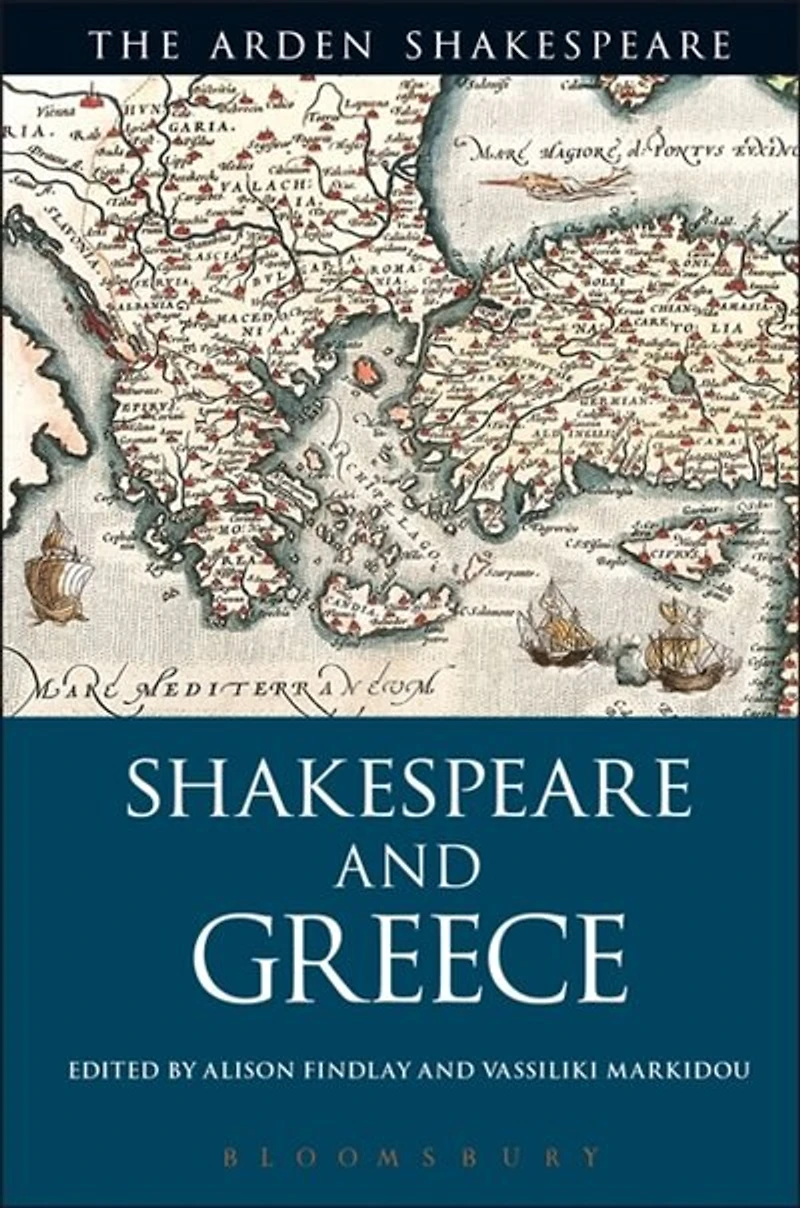
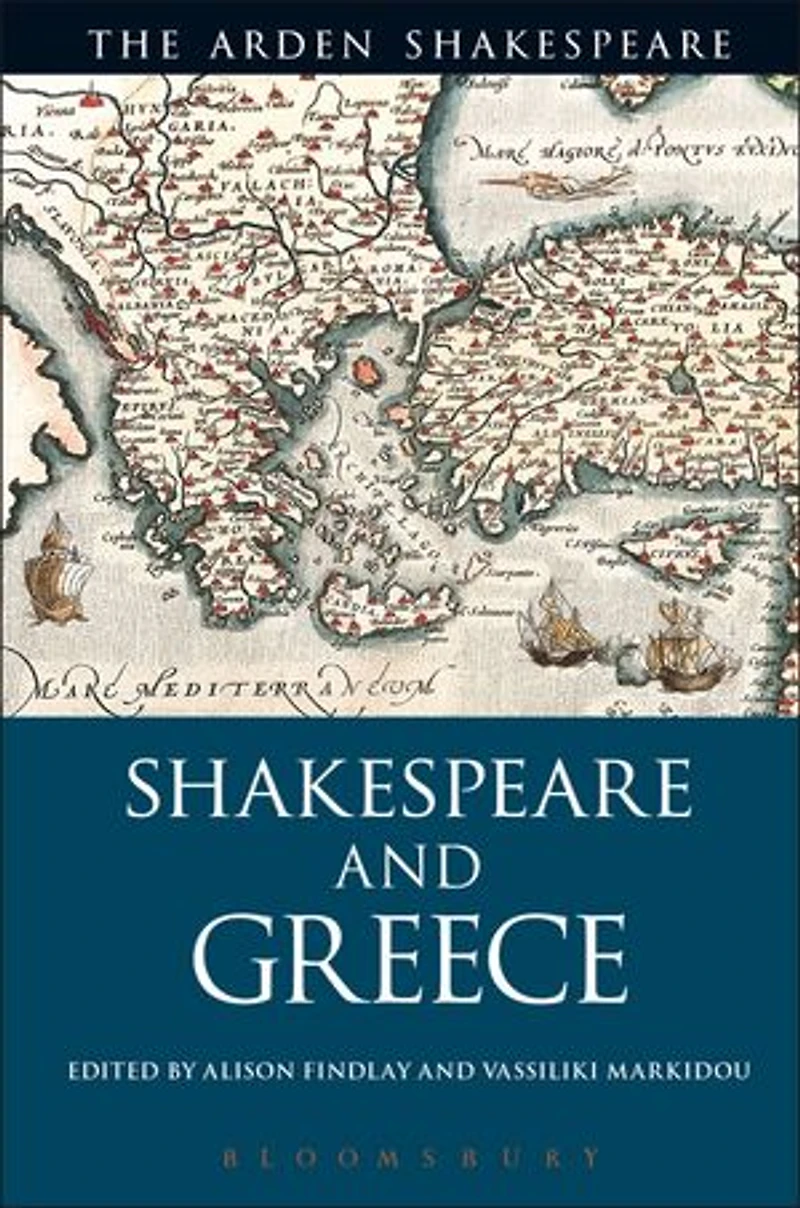
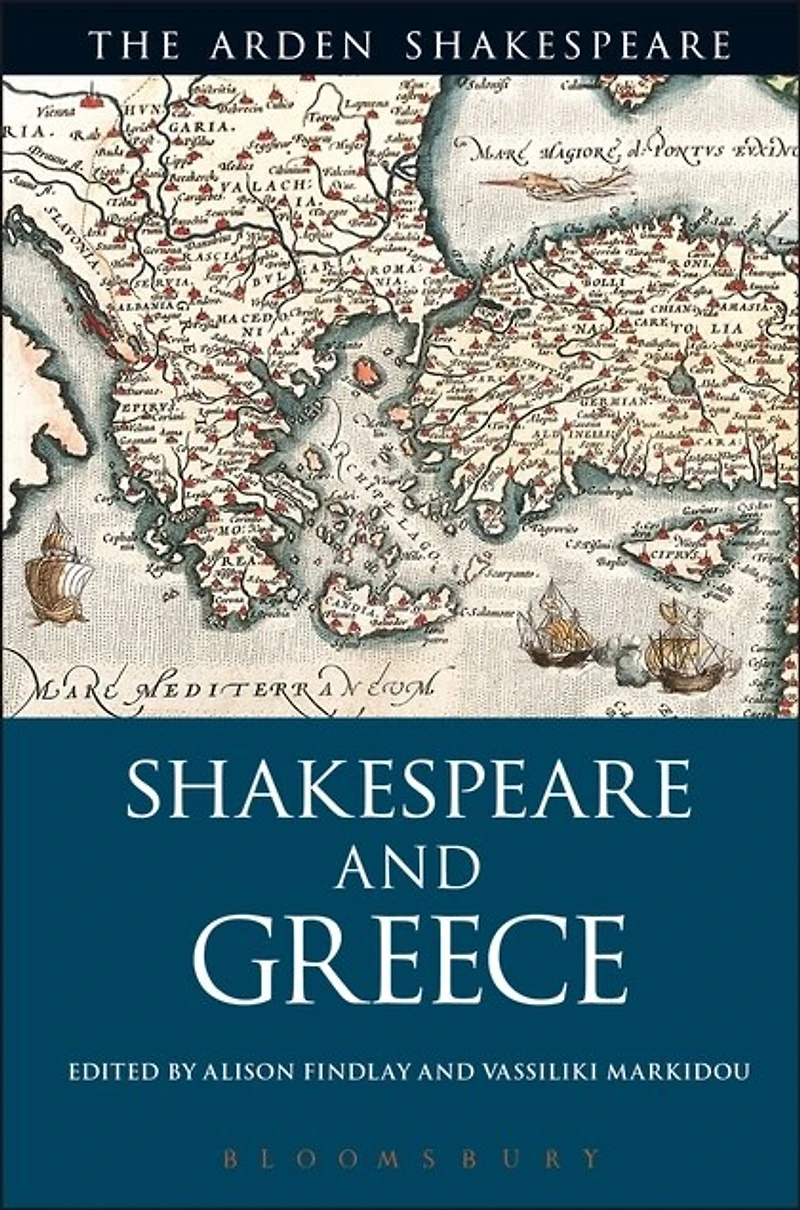
This book seeks to invert Ben Jonson's claim that Shakespeare had 'small Latin and less Greek' and to prove that, in fact, there is more Greek and less Latin in a significant group of Shakespeare's texts: a group whose generic hybridity (tragic-comical-historical-romance) exemplifies the hybridity of Greece in the early modern imagination. To early modern England, Greece was an enigma. It was the origin and idealised pinnacle of Western philosophy, tragedy, democracy, heroic human endeavour and, at the same time, an example of decadence: a fallen state, currently under Ottoman control, and therefore an exotic, dangerous, 'Other' in the most disturbing senses of the word. Indeed, while Britain was struggling to establish itself as a nation state and an imperial authority by emulating classical Greek models, this ambition was radically unsettled by early modern Greece's subjection to the Ottoman Empire, which rendered Europe's eastern borders dramatically vulnerable. Focusing, for the first time, on Shakespeare's 'Greek' texts ( Venus and Adonis , The Comedy of Errors , A Midsummer Night's Dream , Love's Labour's Lost , Troilus and Cressida , Timon of Athens , King Lear , Pericles and The Two Noble Kinsmen ), the volume considers how Shakespeare's use of antiquity and Greek myth intersects with early modern perceptions of the country and its empire.
This book seeks to invert Ben Jonson's claim that Shakespeare had 'small Latin and less Greek' and to prove that, in fact, there is more Greek and less Latin in a significant group of Shakespeare's texts: a group whose generic hybridity (tragic-comical-historical-romance) exemplifies the hybridity of Greece in the early modern imagination. To early modern England, Greece was an enigma. It was the origin and idealised pinnacle of Western philosophy, tragedy, democracy, heroic human endeavour and, at the same time, an example of decadence: a fallen state, currently under Ottoman control, and therefore an exotic, dangerous, 'Other' in the most disturbing senses of the word. Indeed, while Britain was struggling to establish itself as a nation state and an imperial authority by emulating classical Greek models, this ambition was radically unsettled by early modern Greece's subjection to the Ottoman Empire, which rendered Europe's eastern borders dramatically vulnerable. Focusing, for the first time, on Shakespeare's 'Greek' texts ( Venus and Adonis , The Comedy of Errors , A Midsummer Night's Dream , Love's Labour's Lost , Troilus and Cressida , Timon of Athens , King Lear , Pericles and The Two Noble Kinsmen ), the volume considers how Shakespeare's use of antiquity and Greek myth intersects with early modern perceptions of the country and its empire.
You May Also Like








More About Indigo at Erin Mills Town Centre
The largest book retailer in Canada also offers toys, music, home décor, gifts and lifestyle products. What's Inside...Books, Magazines, CD’s and DVD’s, Toys and Gifts, Home Accents, Electronics, Baby’s and Children’s Section, Bath and Body, Kitchen and Bedroom, Stationary Located outside in the exterior plaza.
5015 Glen Erin Dr, Mississauga, ON L5M 0R7, Canada
Find Indigo at Erin Mills Town Centre in Mississauga ON
Visit Indigo at Erin Mills Town Centre in Mississauga ON