

GIVE THE PERFECT GIFT
Erin Mills Town Centre Gift Cards are the perfect choice for your gift giving needs.Purchase gift cards at kiosks near the food court or centre court, at Guest Services, or click below to purchase online.PURCHASE HEREHome
Shaping Modern Shanghai: Colonialism China's Global City
Indigo
Loading Inventory...
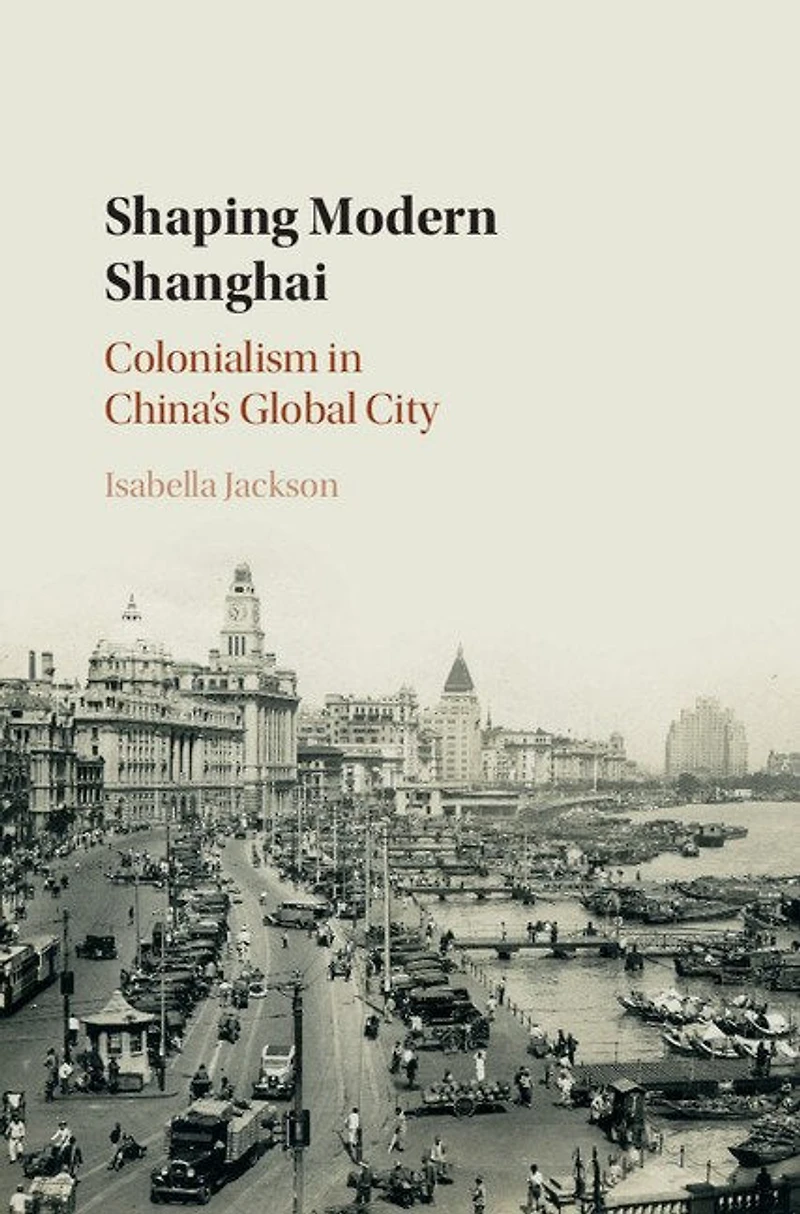
Shaping Modern Shanghai: Colonialism China's Global City
Current price: $152.95

Shaping Modern Shanghai: Colonialism China's Global City
Current price: $152.95
Loading Inventory...
Size: Hardcover
*Product information may vary - to confirm product availability, pricing, shipping and return information please contact Indigo
Shaping Modern Shanghai provides a new understanding of colonialism in China through a fresh examination of Shanghai's International Settlement. This was the site of key developments of the Republican period: economic growth, rising Chinese nationalism and Sino-Japanese conflict. Managed by the Shanghai Municipal Council (1854–1943), the International Settlement was beyond the control of the Chinese and foreign imperial governments. Jackson defines Shanghai's unique, hybrid form of colonial urban governance as transnational colonialism. The Council was both colonial in its structures and subject to colonial influence, especially from the British empire, yet autonomous in its activities and transnational in its personnel. This is the first in-depth study of how this unique body functioned on the local, national and international stages, revealing the Council's impact on the daily lives of the city's residents and its contribution to the conflicts of the period, with implications for the fields of modern Chinese and colonial history.
Shaping Modern Shanghai provides a new understanding of colonialism in China through a fresh examination of Shanghai's International Settlement. This was the site of key developments of the Republican period: economic growth, rising Chinese nationalism and Sino-Japanese conflict. Managed by the Shanghai Municipal Council (1854–1943), the International Settlement was beyond the control of the Chinese and foreign imperial governments. Jackson defines Shanghai's unique, hybrid form of colonial urban governance as transnational colonialism. The Council was both colonial in its structures and subject to colonial influence, especially from the British empire, yet autonomous in its activities and transnational in its personnel. This is the first in-depth study of how this unique body functioned on the local, national and international stages, revealing the Council's impact on the daily lives of the city's residents and its contribution to the conflicts of the period, with implications for the fields of modern Chinese and colonial history.
You May Also Like







More About Indigo at Erin Mills Town Centre
The largest book retailer in Canada also offers toys, music, home décor, gifts and lifestyle products. What's Inside...Books, Magazines, CD’s and DVD’s, Toys and Gifts, Home Accents, Electronics, Baby’s and Children’s Section, Bath and Body, Kitchen and Bedroom, Stationary Located outside in the exterior plaza.
5015 Glen Erin Dr, Mississauga, ON L5M 0R7, Canada
Find Indigo at Erin Mills Town Centre in Mississauga ON
Visit Indigo at Erin Mills Town Centre in Mississauga ON