

GIVE THE PERFECT GIFT
Erin Mills Town Centre Gift Cards are the perfect choice for your gift giving needs.Purchase gift cards at kiosks near the food court or centre court, at Guest Services, or click below to purchase online.PURCHASE HEREHome
Sheltered Employment and Disability the British Welfare State: Remploy, 1944-1979
Indigo
Loading Inventory...
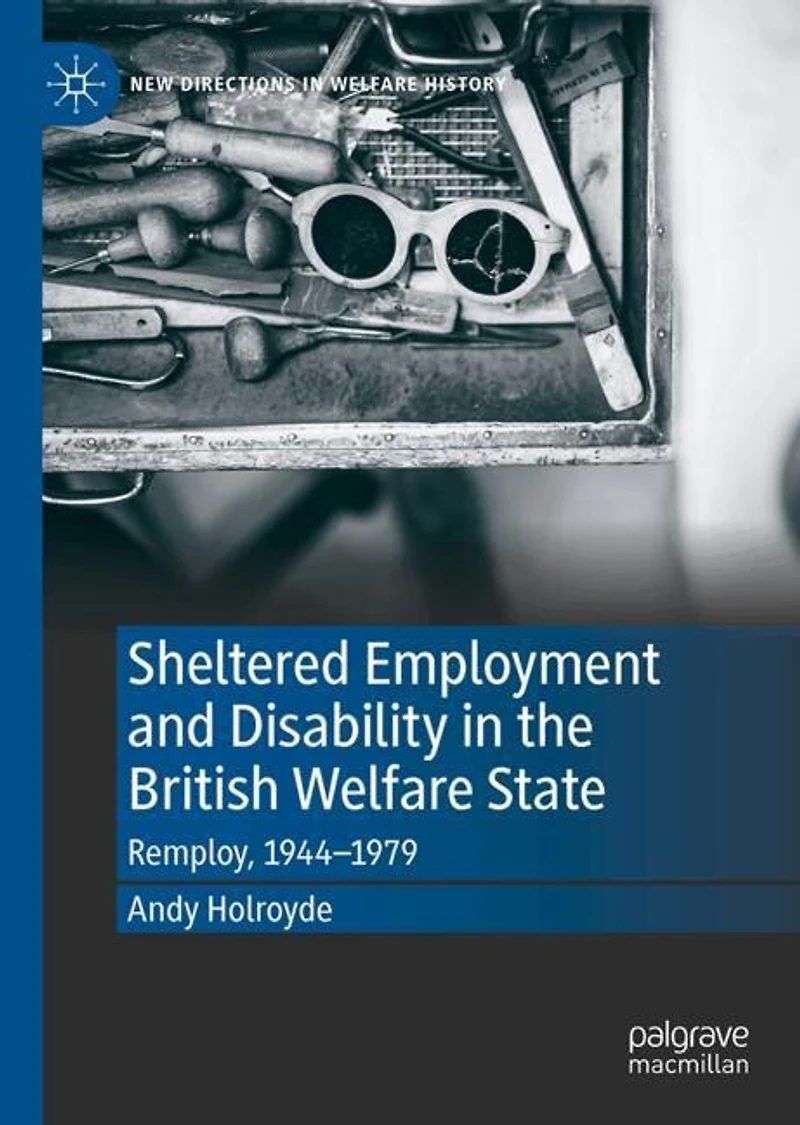
Sheltered Employment and Disability the British Welfare State: Remploy, 1944-1979
Current price: $233.95

Sheltered Employment and Disability the British Welfare State: Remploy, 1944-1979
Current price: $233.95
Loading Inventory...
Size: Hardcover
*Product information may vary - to confirm product availability, pricing, shipping and return information please contact Indigo
This book explores sheltered employment for disabled people in the British welfare state, focusing on Remploy as the flagship provider. It considers the fundamental areas of understanding Remploy, in terms of why it was created, how it functioned, who it employed, and how far it came to dominate the wider field of provision. The book further uses sheltered employment as a new lens through which to explore key aspects of the welfare state in the period. These include the creation of the post-war settlement; the extent of political consensus; the exclusion of disabled people from welfare and work; the role played by gendered thinking in the welfare state&s provisions; and the relationship between the state and voluntary sectors. In so doing, it sheds new light on the history of disability, employment, and welfare in Britain.
This book explores sheltered employment for disabled people in the British welfare state, focusing on Remploy as the flagship provider. It considers the fundamental areas of understanding Remploy, in terms of why it was created, how it functioned, who it employed, and how far it came to dominate the wider field of provision. The book further uses sheltered employment as a new lens through which to explore key aspects of the welfare state in the period. These include the creation of the post-war settlement; the extent of political consensus; the exclusion of disabled people from welfare and work; the role played by gendered thinking in the welfare state&s provisions; and the relationship between the state and voluntary sectors. In so doing, it sheds new light on the history of disability, employment, and welfare in Britain.
You May Also Like










More About Indigo at Erin Mills Town Centre
The largest book retailer in Canada also offers toys, music, home décor, gifts and lifestyle products. What's Inside...Books, Magazines, CD’s and DVD’s, Toys and Gifts, Home Accents, Electronics, Baby’s and Children’s Section, Bath and Body, Kitchen and Bedroom, Stationary Located outside in the exterior plaza.
5015 Glen Erin Dr, Mississauga, ON L5M 0R7, Canada
Find Indigo at Erin Mills Town Centre in Mississauga ON
Visit Indigo at Erin Mills Town Centre in Mississauga ON