

GIVE THE PERFECT GIFT
Erin Mills Town Centre Gift Cards are the perfect choice for your gift giving needs.Purchase gift cards at kiosks near the food court or centre court, at Guest Services, or click below to purchase online.PURCHASE HEREHome
Shoutin' into the Fog
Indigo
Loading Inventory...
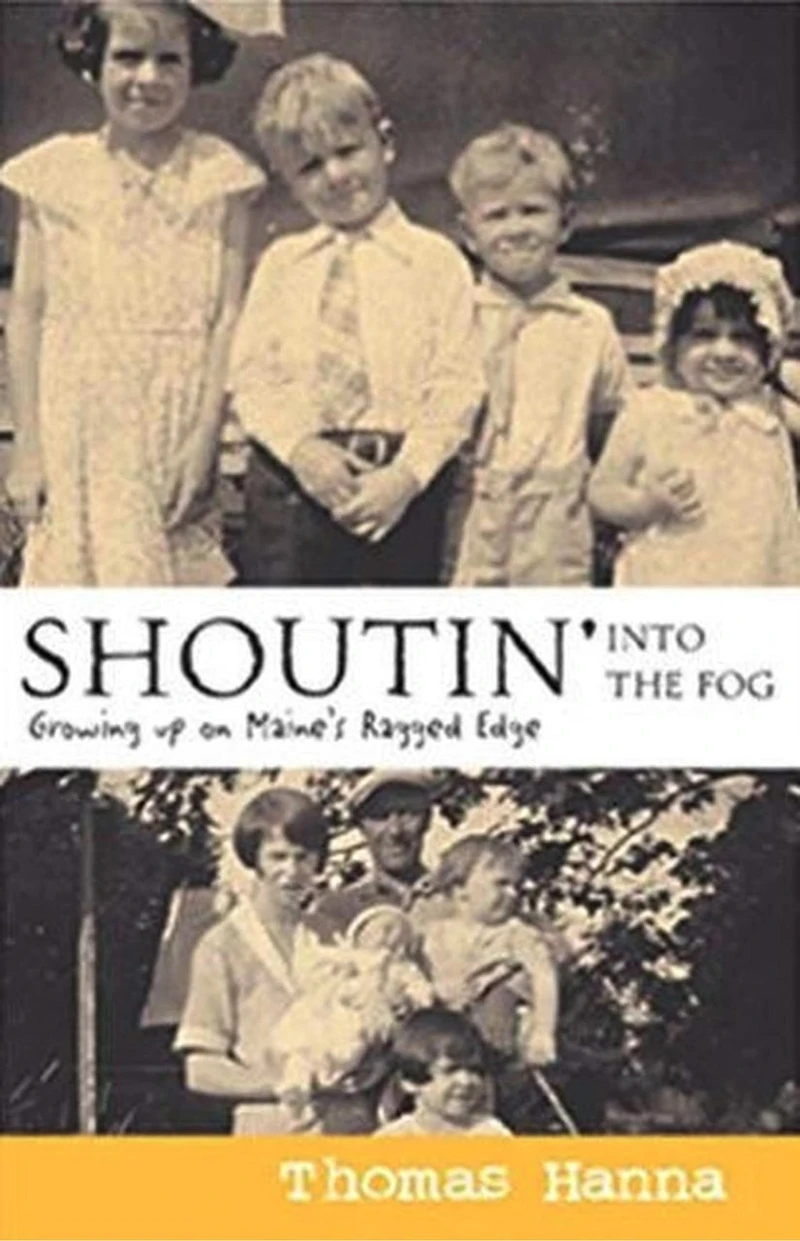
Shoutin' into the Fog
Current price: $15.95

Shoutin' into the Fog
Current price: $15.95
Loading Inventory...
Size: Paperback
*Product information may vary - to confirm product availability, pricing, shipping and return information please contact Indigo
The first part of the 1900s was a time of change, turmoil, and too often, struggle on the Maine coast. Young Tommy Hanna grew up right in the middle of it all. He was born dirt-poor on Georgetown Island, the eldest son and second of eight children. By 1930, his family, descended from successful nineteenth-century seafarers and entrepreneurs, lived in a tiny bungalow pieced together with second hand wood and cardboard. They struggled against the Great Depression, cold Maine winters, insufficient food, and the embarrassment of being “on the town.” Yet, Tommy, who also struggled against growing, seemingly unalterable estrangement from his father, found small ways to transcend the poverty and despair –whether a game of baseball, old-time radio shows, playing guitar or fashioning a homemade bobsled to run down a snowy hill on a cold winter’s night. Writing with sensitivity and humor about family, forgiveness and overcoming adversity, Hanna’s personal tale also helps cast a light on the native Mainers who struggled in the face of wrenching transition, as traditional fisheries and coastal trade died away, yet “King” Lobster, tourism and World War II had yet to rally the economy and lift people from hard times. It is a real part of Maine history that Hanna writes about with tender, subtle splendor.
The first part of the 1900s was a time of change, turmoil, and too often, struggle on the Maine coast. Young Tommy Hanna grew up right in the middle of it all. He was born dirt-poor on Georgetown Island, the eldest son and second of eight children. By 1930, his family, descended from successful nineteenth-century seafarers and entrepreneurs, lived in a tiny bungalow pieced together with second hand wood and cardboard. They struggled against the Great Depression, cold Maine winters, insufficient food, and the embarrassment of being “on the town.” Yet, Tommy, who also struggled against growing, seemingly unalterable estrangement from his father, found small ways to transcend the poverty and despair –whether a game of baseball, old-time radio shows, playing guitar or fashioning a homemade bobsled to run down a snowy hill on a cold winter’s night. Writing with sensitivity and humor about family, forgiveness and overcoming adversity, Hanna’s personal tale also helps cast a light on the native Mainers who struggled in the face of wrenching transition, as traditional fisheries and coastal trade died away, yet “King” Lobster, tourism and World War II had yet to rally the economy and lift people from hard times. It is a real part of Maine history that Hanna writes about with tender, subtle splendor.
You May Also Like


















More About Indigo at Erin Mills Town Centre
The largest book retailer in Canada also offers toys, music, home décor, gifts and lifestyle products. What's Inside...Books, Magazines, CD’s and DVD’s, Toys and Gifts, Home Accents, Electronics, Baby’s and Children’s Section, Bath and Body, Kitchen and Bedroom, Stationary Located outside in the exterior plaza.
5015 Glen Erin Dr, Mississauga, ON L5M 0R7, Canada
Find Indigo at Erin Mills Town Centre in Mississauga ON
Visit Indigo at Erin Mills Town Centre in Mississauga ON