

GIVE THE PERFECT GIFT
Erin Mills Town Centre Gift Cards are the perfect choice for your gift giving needs.Purchase gift cards at kiosks near the food court or centre court, at Guest Services, or click below to purchase online.PURCHASE HEREHome
Signatures of Citizenship: Petitioning, Antislavery, and Women's Political Identity
Indigo
Loading Inventory...
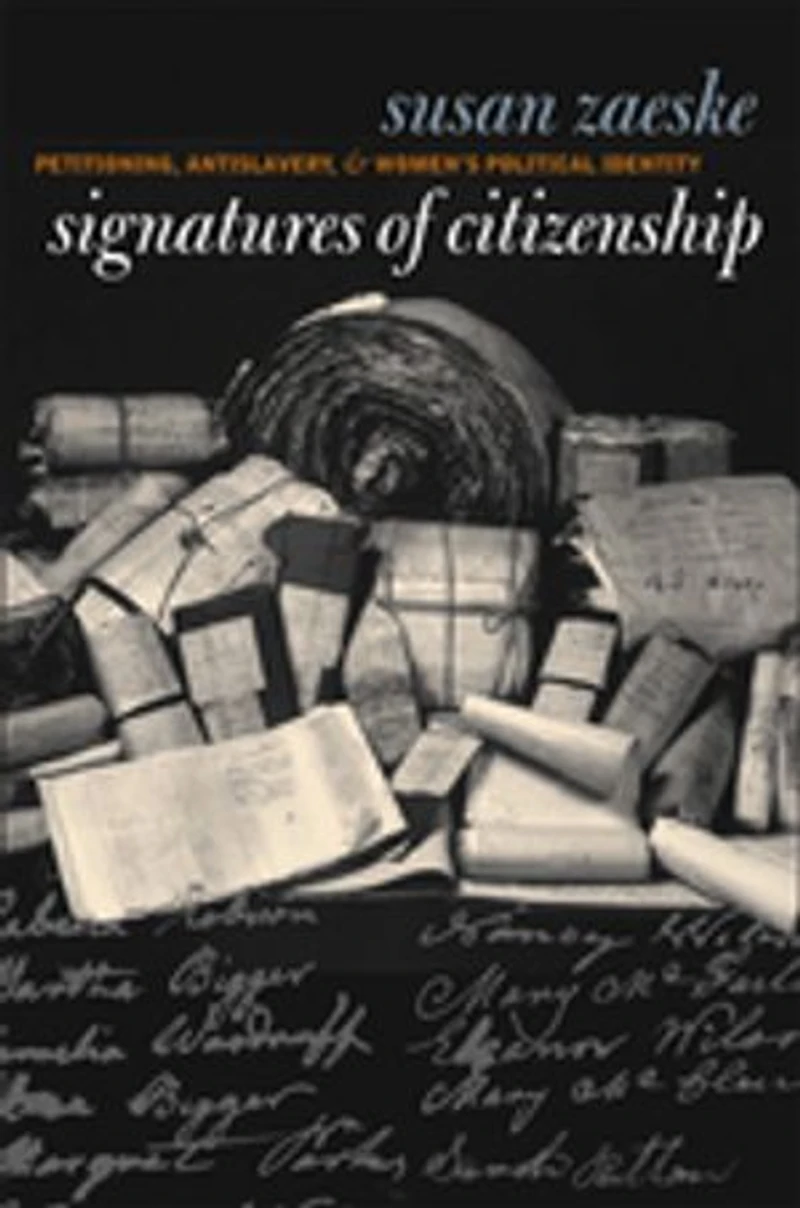
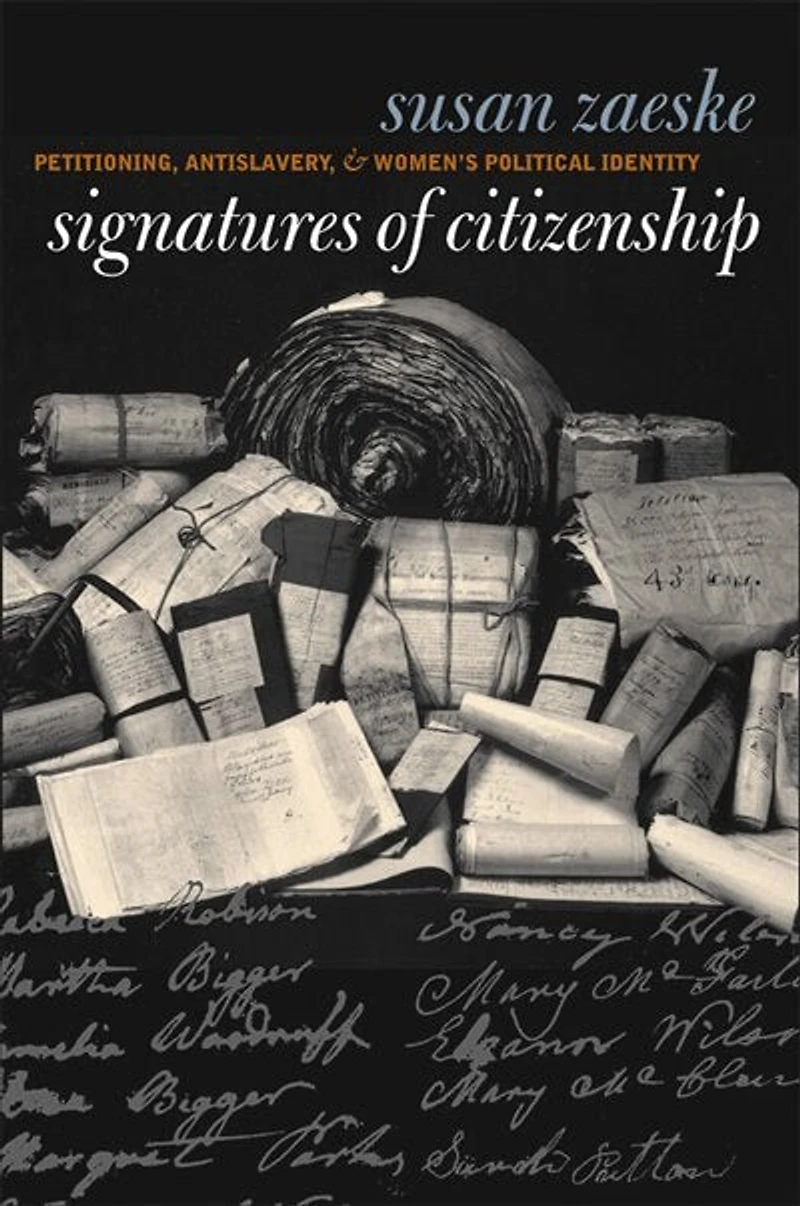
Signatures of Citizenship: Petitioning, Antislavery, and Women's Political Identity
Current price: $34.39
Original price: $42.99

Signatures of Citizenship: Petitioning, Antislavery, and Women's Political Identity
Current price: $34.39
Original price: $42.99
Loading Inventory...
Size: Kobo eBook
*Product information may vary - to confirm product availability, pricing, shipping and return information please contact Indigo
In this comprehensive history of women’s antislavery petitions addressed to Congress, Susan Zaeske argues that by petitioning, women not only contributed significantly to the movement to abolish slavery but also made important strides toward securing their own rights and transforming their own political identity.
By analyzing the language of women’s antislavery petitions, speeches calling women to petition, congressional debates, and public reaction to women’s petitions from 1831 to 1865, Zaeske reconstructs and interprets debates over the meaning of female citizenship. At the beginning of their political campaign in 1835 women tended to disavow the political nature of their petitioning, but by the 1840s they routinely asserted women’s right to make political demands of their representatives. This rhetorical change, from a tone of humility to one of insistence, reflected an ongoing transformation in the political identity of petition signers, as they came to view themselves not as subjects but as citizens. Having encouraged women’s involvement in national politics, women’s antislavery petitioning created an appetite for further political participation that spurred countless women after the Civil War and during the first decades of the twentieth century to promote causes such as temperance, anti-lynching laws, and woman suffrage.
In this comprehensive history of women’s antislavery petitions addressed to Congress, Susan Zaeske argues that by petitioning, women not only contributed significantly to the movement to abolish slavery but also made important strides toward securing their own rights and transforming their own political identity.
By analyzing the language of women’s antislavery petitions, speeches calling women to petition, congressional debates, and public reaction to women’s petitions from 1831 to 1865, Zaeske reconstructs and interprets debates over the meaning of female citizenship. At the beginning of their political campaign in 1835 women tended to disavow the political nature of their petitioning, but by the 1840s they routinely asserted women’s right to make political demands of their representatives. This rhetorical change, from a tone of humility to one of insistence, reflected an ongoing transformation in the political identity of petition signers, as they came to view themselves not as subjects but as citizens. Having encouraged women’s involvement in national politics, women’s antislavery petitioning created an appetite for further political participation that spurred countless women after the Civil War and during the first decades of the twentieth century to promote causes such as temperance, anti-lynching laws, and woman suffrage.
You May Also Like








More About Indigo at Erin Mills Town Centre
The largest book retailer in Canada also offers toys, music, home décor, gifts and lifestyle products. What's Inside...Books, Magazines, CD’s and DVD’s, Toys and Gifts, Home Accents, Electronics, Baby’s and Children’s Section, Bath and Body, Kitchen and Bedroom, Stationary Located outside in the exterior plaza.
5015 Glen Erin Dr, Mississauga, ON L5M 0R7, Canada
Find Indigo at Erin Mills Town Centre in Mississauga ON
Visit Indigo at Erin Mills Town Centre in Mississauga ON