

GIVE THE PERFECT GIFT
Erin Mills Town Centre Gift Cards are the perfect choice for your gift giving needs.Purchase gift cards at kiosks near the food court or centre court, at Guest Services, or click below to purchase online.PURCHASE HEREHome
Silicon Valley and the Environmental Inequalities of High-Tech Urbanism
Indigo
Loading Inventory...
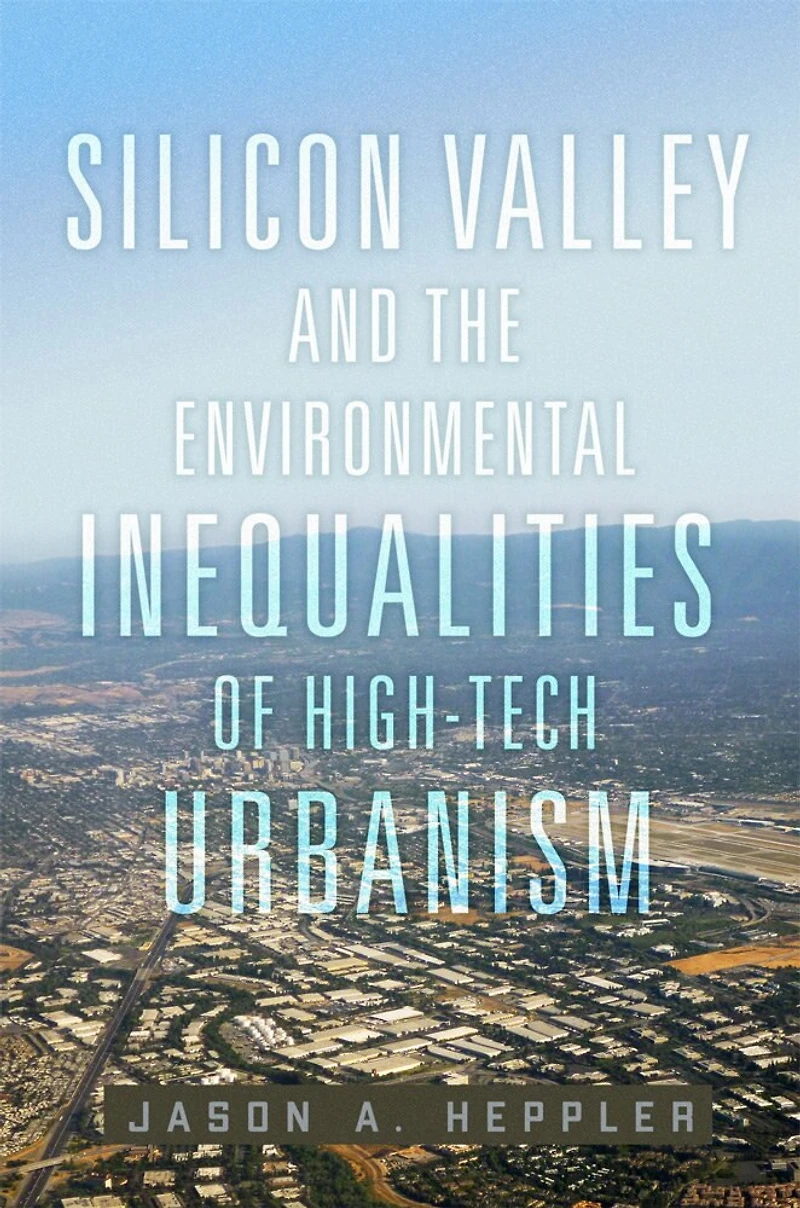
Silicon Valley and the Environmental Inequalities of High-Tech Urbanism
Current price: $121.95

Silicon Valley and the Environmental Inequalities of High-Tech Urbanism
Current price: $121.95
Loading Inventory...
Size: Hardcover
*Product information may vary - to confirm product availability, pricing, shipping and return information please contact Indigo
In the half century after World War II, California's Santa Clara Valley transformed from a rolling landscape of fields and orchards into the nation's most consequential high-tech industrial corridor. How Santa Clara Valley became Silicon Valley and came to embody both the triumphs and the failures of a new vision of the American West is the question Jason A. Heppler explores in this book. A revealing look at the significance of nature in social, cultural, and economic conceptions of place, the book is also a case study on the origins of American environmentalism and debates about urban and suburban sustainability.
Between 1950 and 1990, business and community leaders pursued a new vision of the landscape stretching from Palo Alto to San Jose-a vision that melded the bucolic naturalism of orchards, pleasant weather, and green spaces with the metropolitan promise of modern industry, government-funded research, and technology. Heppler describes the success of a new, clean, future-facing economy, coupled with a pleasant, green environment, in drawing people to Silicon Valley. And in this overwhelming success, he also locates the rapidly emerging faults created by competing ideas about forming these idyllic communities-specifically, widespread environmental degradation and increasing social stratification. Cities organized around high-tech industries, suburban growth, and urban expansion were, as Heppler shows, crucibles for empowering elites, worsening human health, and spreading pollution.
What do "nature" and "place" mean, and who gets to define these terms? Key to Heppler's work is the idea that these questions reflect and determine what, and who, matters in any conversation about the environment. Silicon Valley and the Environmental Inequalities of High-Tech Urbanism vividly traces that idea through the linked histories of Silicon Valley and environmentalism in the West.
In the half century after World War II, California's Santa Clara Valley transformed from a rolling landscape of fields and orchards into the nation's most consequential high-tech industrial corridor. How Santa Clara Valley became Silicon Valley and came to embody both the triumphs and the failures of a new vision of the American West is the question Jason A. Heppler explores in this book. A revealing look at the significance of nature in social, cultural, and economic conceptions of place, the book is also a case study on the origins of American environmentalism and debates about urban and suburban sustainability.
Between 1950 and 1990, business and community leaders pursued a new vision of the landscape stretching from Palo Alto to San Jose-a vision that melded the bucolic naturalism of orchards, pleasant weather, and green spaces with the metropolitan promise of modern industry, government-funded research, and technology. Heppler describes the success of a new, clean, future-facing economy, coupled with a pleasant, green environment, in drawing people to Silicon Valley. And in this overwhelming success, he also locates the rapidly emerging faults created by competing ideas about forming these idyllic communities-specifically, widespread environmental degradation and increasing social stratification. Cities organized around high-tech industries, suburban growth, and urban expansion were, as Heppler shows, crucibles for empowering elites, worsening human health, and spreading pollution.
What do "nature" and "place" mean, and who gets to define these terms? Key to Heppler's work is the idea that these questions reflect and determine what, and who, matters in any conversation about the environment. Silicon Valley and the Environmental Inequalities of High-Tech Urbanism vividly traces that idea through the linked histories of Silicon Valley and environmentalism in the West.
You May Also Like















More About Indigo at Erin Mills Town Centre
The largest book retailer in Canada also offers toys, music, home décor, gifts and lifestyle products. What's Inside...Books, Magazines, CD’s and DVD’s, Toys and Gifts, Home Accents, Electronics, Baby’s and Children’s Section, Bath and Body, Kitchen and Bedroom, Stationary Located outside in the exterior plaza.
5015 Glen Erin Dr, Mississauga, ON L5M 0R7, Canada
Find Indigo at Erin Mills Town Centre in Mississauga ON
Visit Indigo at Erin Mills Town Centre in Mississauga ON