

GIVE THE PERFECT GIFT
Erin Mills Town Centre Gift Cards are the perfect choice for your gift giving needs.Purchase gift cards at kiosks near the food court or centre court, at Guest Services, or click below to purchase online.PURCHASE HEREHome
Sisters: Myth and Reality of Anabaptist, Mennonite, and Doopsgezind Women, ca 1525-1900
Indigo
Loading Inventory...
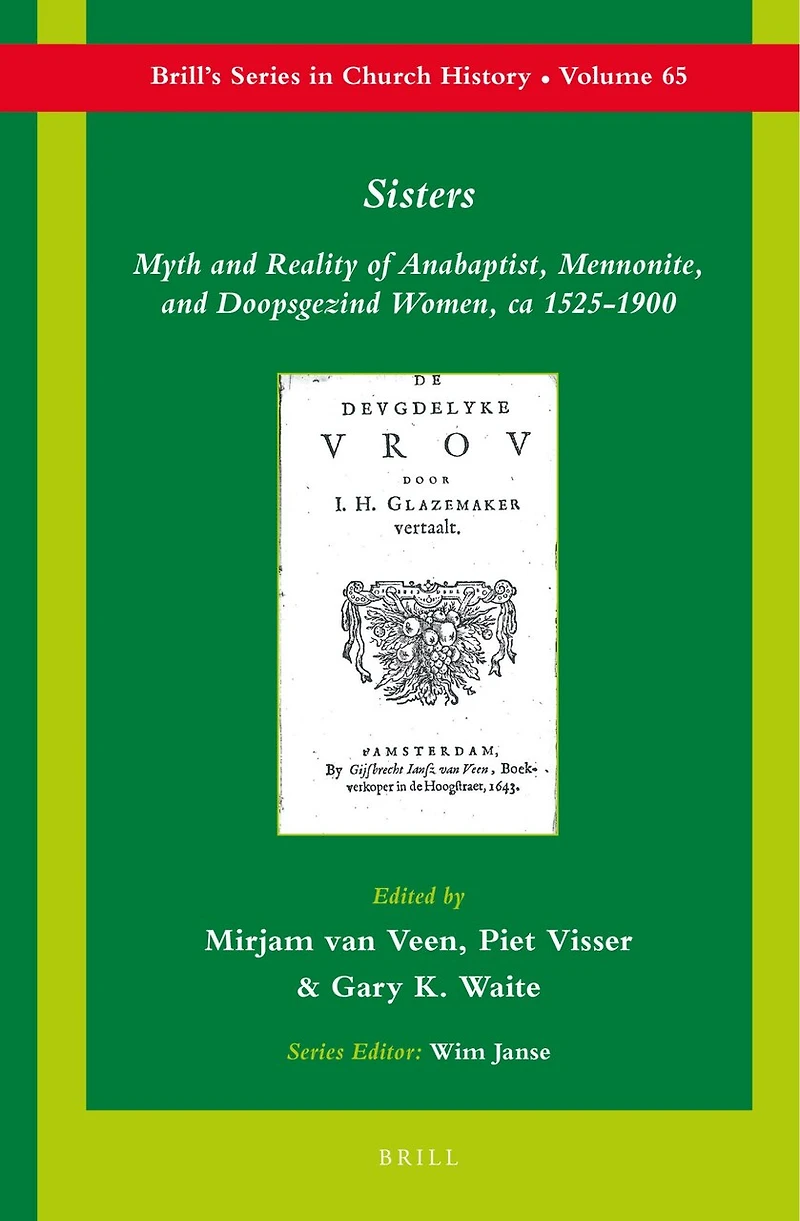
Sisters: Myth and Reality of Anabaptist, Mennonite, and Doopsgezind Women, ca 1525-1900
Current price: $280.99

Sisters: Myth and Reality of Anabaptist, Mennonite, and Doopsgezind Women, ca 1525-1900
Current price: $280.99
Loading Inventory...
Size: Hardcover
*Product information may vary - to confirm product availability, pricing, shipping and return information please contact Indigo
Harlot, pious martyr, marriage breaker, obedient sister, prophetess, literate woman, agent of the devil, hypocrite. These are some qualifications of the image of Anabaptist/Mennonite women, from a wide array of perspectives. Over the ages they became both negative and positive stereotypes, created by either opponents or sympathizers, as a means of demonizing or promoting the dissident, radical free church movement. This volume explores the characteristics, backgrounds and effects of the collective perceptions of Anabaptist/Mennonite women, as well as their self-understanding, from the sixteenth into the nineteenth centuries, in a variety of case studies. This is not a gender study in the traditional sense. The theory of imagology sets the stage for the interpretation of the image of the European Mennonite sisters, acting within their religious, moral, cultural and social landscapes of Austria, Belgium, Germany, the Netherlands, Poland, Switzerland, and the Ukraine (tsarist Russia).
Harlot, pious martyr, marriage breaker, obedient sister, prophetess, literate woman, agent of the devil, hypocrite. These are some qualifications of the image of Anabaptist/Mennonite women, from a wide array of perspectives. Over the ages they became both negative and positive stereotypes, created by either opponents or sympathizers, as a means of demonizing or promoting the dissident, radical free church movement. This volume explores the characteristics, backgrounds and effects of the collective perceptions of Anabaptist/Mennonite women, as well as their self-understanding, from the sixteenth into the nineteenth centuries, in a variety of case studies. This is not a gender study in the traditional sense. The theory of imagology sets the stage for the interpretation of the image of the European Mennonite sisters, acting within their religious, moral, cultural and social landscapes of Austria, Belgium, Germany, the Netherlands, Poland, Switzerland, and the Ukraine (tsarist Russia).
You May Also Like















More About Indigo at Erin Mills Town Centre
The largest book retailer in Canada also offers toys, music, home décor, gifts and lifestyle products. What's Inside...Books, Magazines, CD’s and DVD’s, Toys and Gifts, Home Accents, Electronics, Baby’s and Children’s Section, Bath and Body, Kitchen and Bedroom, Stationary Located outside in the exterior plaza.
5015 Glen Erin Dr, Mississauga, ON L5M 0R7, Canada
Find Indigo at Erin Mills Town Centre in Mississauga ON
Visit Indigo at Erin Mills Town Centre in Mississauga ON