

GIVE THE PERFECT GIFT
Erin Mills Town Centre Gift Cards are the perfect choice for your gift giving needs.Purchase gift cards at kiosks near the food court or centre court, at Guest Services, or click below to purchase online.PURCHASE HEREHome
Small States and the New Security Environment
Indigo
Loading Inventory...
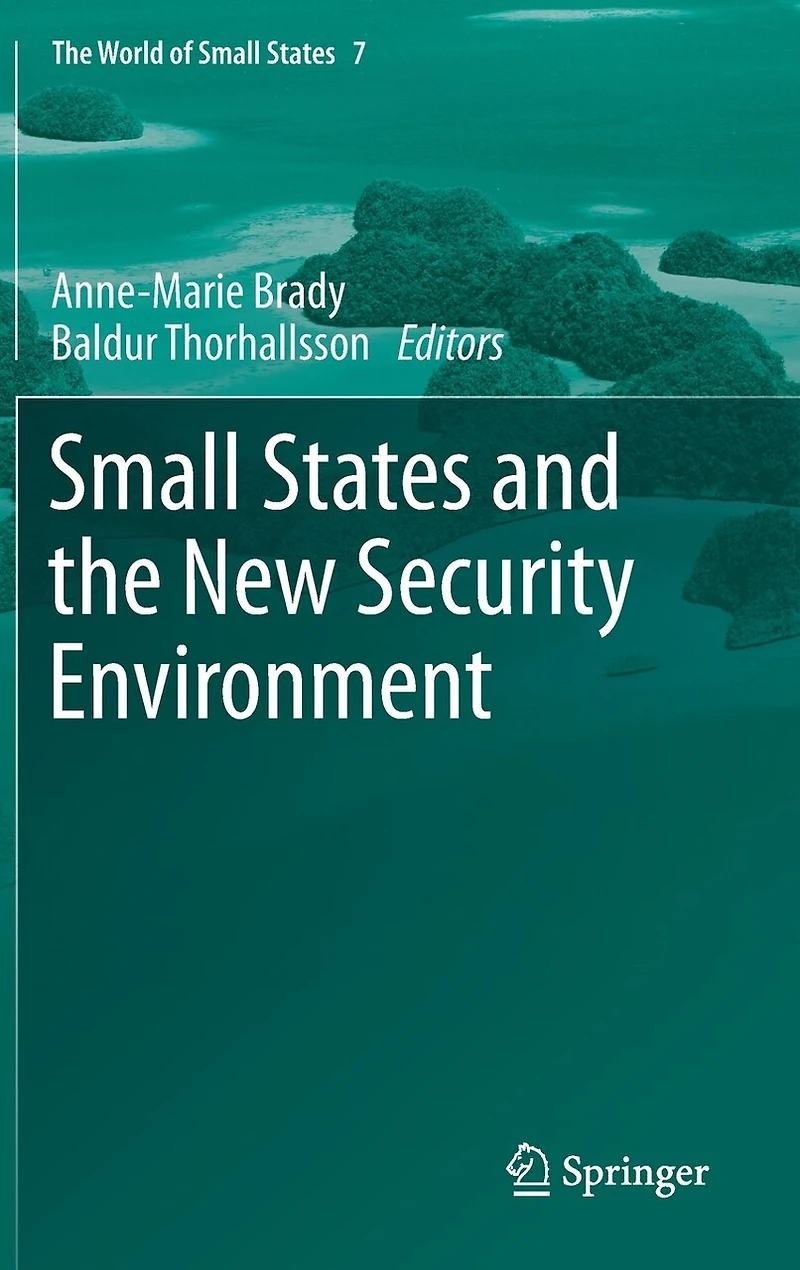
Small States and the New Security Environment
Current price: $248.50

Small States and the New Security Environment
Current price: $248.50
Loading Inventory...
Size: Hardcover
*Product information may vary - to confirm product availability, pricing, shipping and return information please contact Indigo
This book examines the security, defence and foreign policy choices and challenges of small states in NATO and its small partner states in the new security environment. The main aim of the book is to analyse how these states are dealing with current and emerging security challenges and how they might better prepare for these challenges. A special focus is on 'new' security threats and solutions, such as drones and hybrid warfare. Simultaneously, the book focusses on how small states are responding to emerging 'old threats', such as Russian aggression in its neighbouring states and increased activity in the North Atlantic. The book makes an attempt to answer questions like: How are the small states of NATO and its small partner states adjusting to the new geo-political and geo-economic environment? Do small states in NATO manage the tension between alliance commitments differently from small states that are not members of NATO? What are the core strategic interests of the NATO and non-NATO partner small states? The book is about the external dimension of inherent size-related difficulties in states and how small states compensate for their inbuilt structural weaknesses compared with their larger neighbouring states. One third of the member states of NATO are small and most NATO partner states are small states too. Small states frequently have a disproportionate effect on global politics and they are more often affected by global shifts of power, yet they have less resources available to address security challenges. The aim of the book is to enhance the understanding of the role of small states in the changing global international security environment. The book presents the theory of shelter (which is derived from the diverse and extensive literature on small states) and uses it to examine how small states respond to new and old security threats. Shelter theory addresses three interrelated issues of common concerns to small states: the reduction of risk before a possible crisis event, assistance in absorbing shocks in times of crises, and help in recovering after such an event. In short, shelter theory claims that small states need external shelter in order to survive and prosper. They are dependent on the economic, political, and societal shelter provided by larger states, as well as regional and international organizations.
This book examines the security, defence and foreign policy choices and challenges of small states in NATO and its small partner states in the new security environment. The main aim of the book is to analyse how these states are dealing with current and emerging security challenges and how they might better prepare for these challenges. A special focus is on 'new' security threats and solutions, such as drones and hybrid warfare. Simultaneously, the book focusses on how small states are responding to emerging 'old threats', such as Russian aggression in its neighbouring states and increased activity in the North Atlantic. The book makes an attempt to answer questions like: How are the small states of NATO and its small partner states adjusting to the new geo-political and geo-economic environment? Do small states in NATO manage the tension between alliance commitments differently from small states that are not members of NATO? What are the core strategic interests of the NATO and non-NATO partner small states? The book is about the external dimension of inherent size-related difficulties in states and how small states compensate for their inbuilt structural weaknesses compared with their larger neighbouring states. One third of the member states of NATO are small and most NATO partner states are small states too. Small states frequently have a disproportionate effect on global politics and they are more often affected by global shifts of power, yet they have less resources available to address security challenges. The aim of the book is to enhance the understanding of the role of small states in the changing global international security environment. The book presents the theory of shelter (which is derived from the diverse and extensive literature on small states) and uses it to examine how small states respond to new and old security threats. Shelter theory addresses three interrelated issues of common concerns to small states: the reduction of risk before a possible crisis event, assistance in absorbing shocks in times of crises, and help in recovering after such an event. In short, shelter theory claims that small states need external shelter in order to survive and prosper. They are dependent on the economic, political, and societal shelter provided by larger states, as well as regional and international organizations.
You May Also Like











More About Indigo at Erin Mills Town Centre
The largest book retailer in Canada also offers toys, music, home décor, gifts and lifestyle products. What's Inside...Books, Magazines, CD’s and DVD’s, Toys and Gifts, Home Accents, Electronics, Baby’s and Children’s Section, Bath and Body, Kitchen and Bedroom, Stationary Located outside in the exterior plaza.
5015 Glen Erin Dr, Mississauga, ON L5M 0R7, Canada
Find Indigo at Erin Mills Town Centre in Mississauga ON
Visit Indigo at Erin Mills Town Centre in Mississauga ON