

GIVE THE PERFECT GIFT
Erin Mills Town Centre Gift Cards are the perfect choice for your gift giving needs.Purchase gift cards at kiosks near the food court or centre court, at Guest Services, or click below to purchase online.PURCHASE HEREHome
Social Institutions and the Politics of Recognition: From Ancient Greeks to Reformation
Indigo
Loading Inventory...
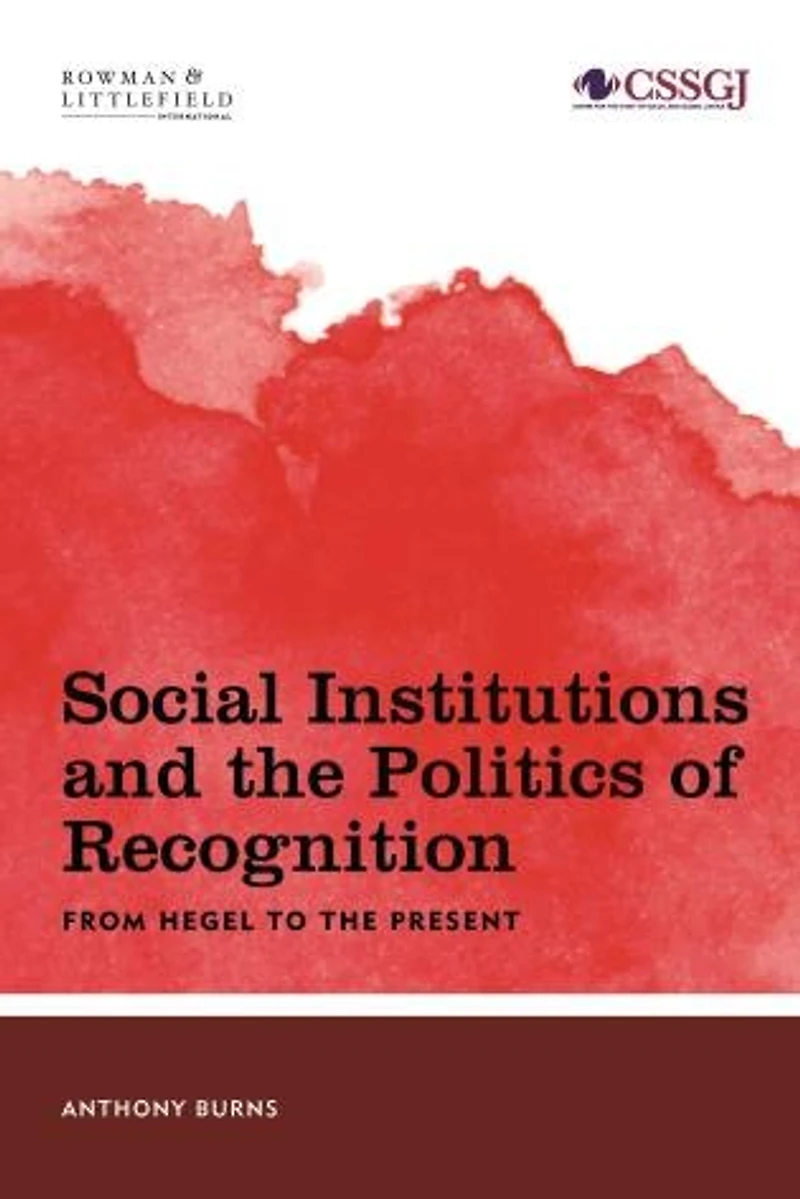
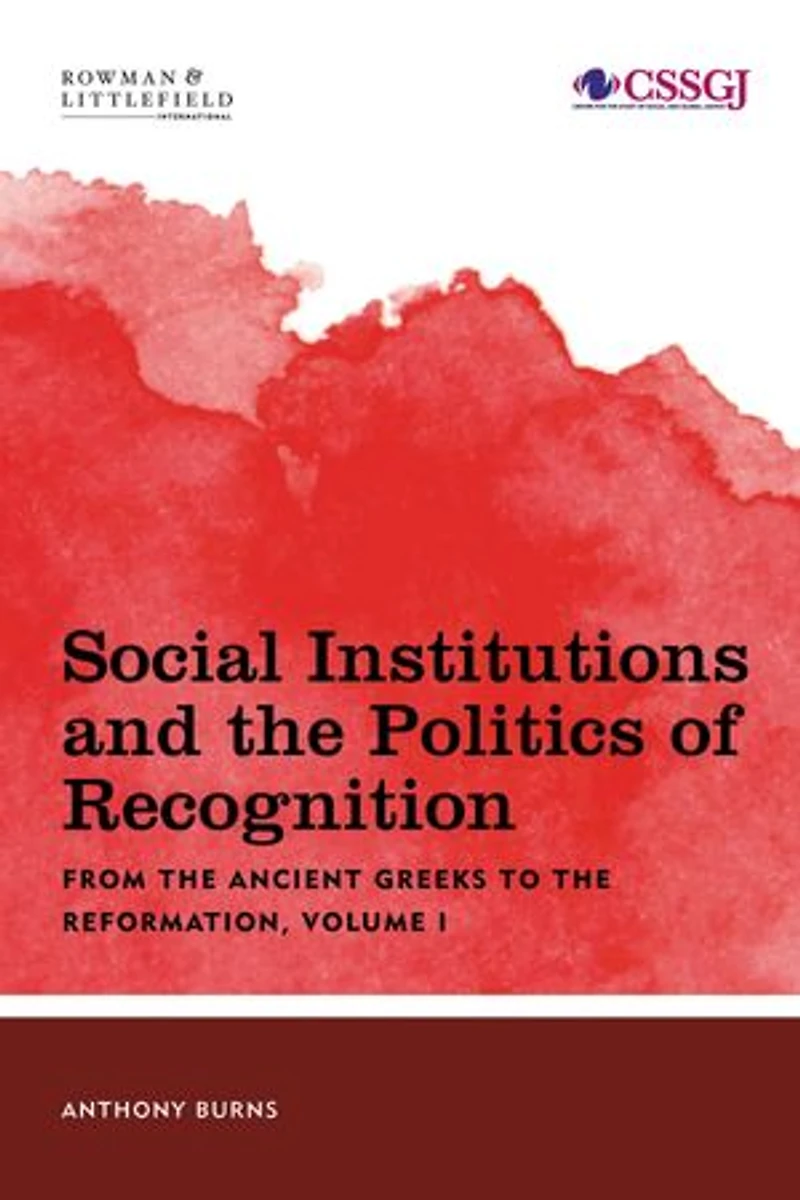
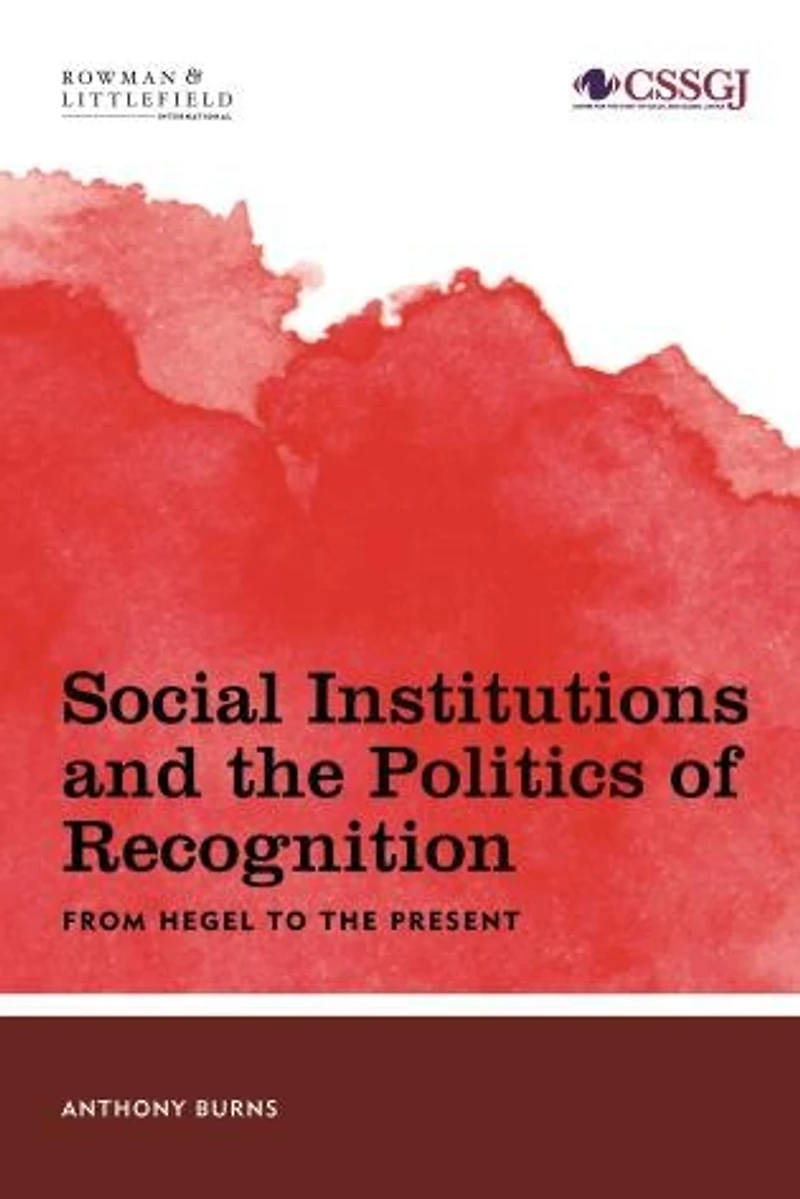
Social Institutions and the Politics of Recognition: From Ancient Greeks to Reformation
Current price: $219.50

Social Institutions and the Politics of Recognition: From Ancient Greeks to Reformation
Current price: $219.50
Loading Inventory...
Size: Hardcover
*Product information may vary - to confirm product availability, pricing, shipping and return information please contact Indigo
The first of three volumes, this definitive study explores the politics of social institutions, from the time of the ancient Greeks to the Reformation in the sixteenth century. Tony Burns focuses on those civil-society institutions occupying the intermediate social space which exists between the family or household, on the one hand, and what Hegel refers to as 'the strictly political state', on the other. Arguing that the internal affairs of social institutions are a legitimate concern for students of politics, he focuses on the notion of authority, together with that of an individual's station and its duties. Burns discusses the work of such key thinkers as Plato, Aristotle, Cicero, Seneca, Epictetus, Marcus Aurelius, St. Paul, St. Augustine, St. Thomas Aquinas, Marsilius of Padua, Nicholas of Cusa, Jean Bodin, Charles Loyseau, John Calvin, Martin Luther and Gerrard Winstanley. He considers what they have said about the relationship that exists between superiors in positions of authority and their subordinates within hierarchical social institutions.
The first of three volumes, this definitive study explores the politics of social institutions, from the time of the ancient Greeks to the Reformation in the sixteenth century. Tony Burns focuses on those civil-society institutions occupying the intermediate social space which exists between the family or household, on the one hand, and what Hegel refers to as 'the strictly political state', on the other. Arguing that the internal affairs of social institutions are a legitimate concern for students of politics, he focuses on the notion of authority, together with that of an individual's station and its duties. Burns discusses the work of such key thinkers as Plato, Aristotle, Cicero, Seneca, Epictetus, Marcus Aurelius, St. Paul, St. Augustine, St. Thomas Aquinas, Marsilius of Padua, Nicholas of Cusa, Jean Bodin, Charles Loyseau, John Calvin, Martin Luther and Gerrard Winstanley. He considers what they have said about the relationship that exists between superiors in positions of authority and their subordinates within hierarchical social institutions.
You May Also Like








More About Indigo at Erin Mills Town Centre
The largest book retailer in Canada also offers toys, music, home décor, gifts and lifestyle products. What's Inside...Books, Magazines, CD’s and DVD’s, Toys and Gifts, Home Accents, Electronics, Baby’s and Children’s Section, Bath and Body, Kitchen and Bedroom, Stationary Located outside in the exterior plaza.
5015 Glen Erin Dr, Mississauga, ON L5M 0R7, Canada
Find Indigo at Erin Mills Town Centre in Mississauga ON
Visit Indigo at Erin Mills Town Centre in Mississauga ON