

GIVE THE PERFECT GIFT
Erin Mills Town Centre Gift Cards are the perfect choice for your gift giving needs.Purchase gift cards at kiosks near the food court or centre court, at Guest Services, or click below to purchase online.PURCHASE HEREHome
Social Justice in Twentieth-Century Europe
Indigo
Loading Inventory...
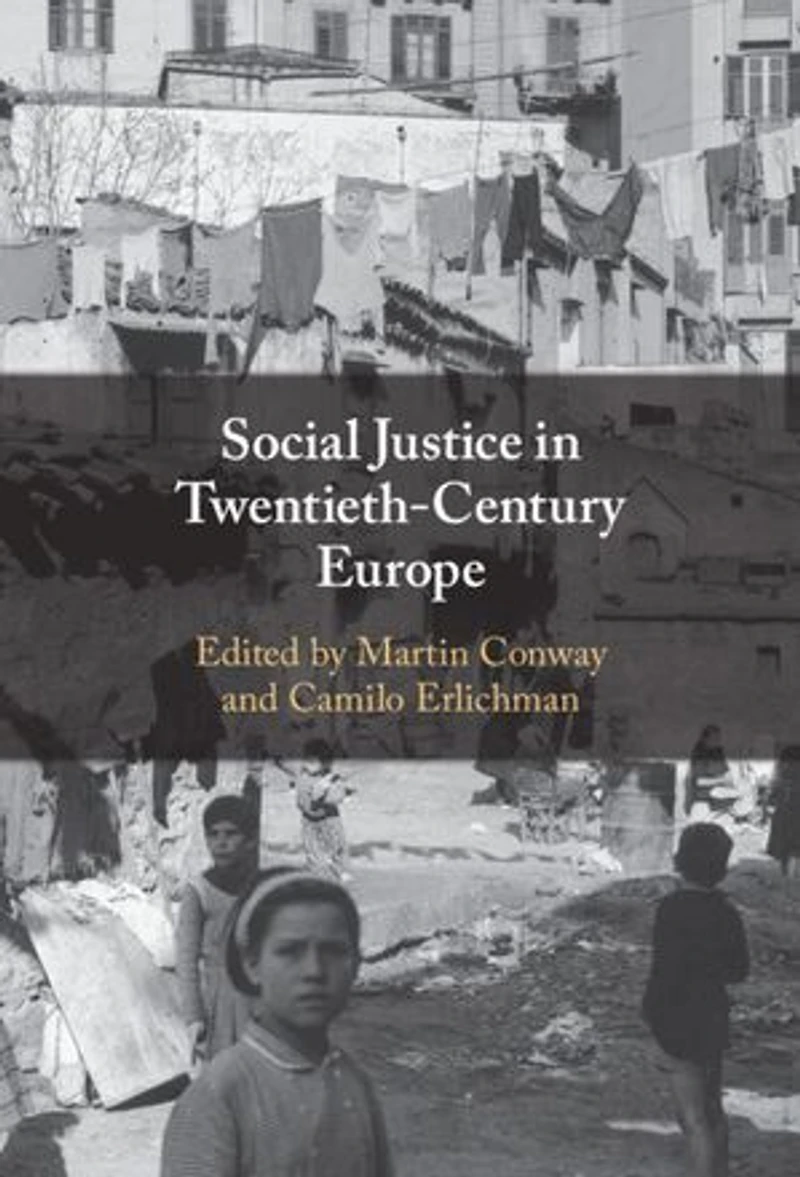
Social Justice in Twentieth-Century Europe
Current price: $36.79
Original price: $45.95

Social Justice in Twentieth-Century Europe
Current price: $36.79
Original price: $45.95
Loading Inventory...
Size: Kobo eBook
*Product information may vary - to confirm product availability, pricing, shipping and return information please contact Indigo
Social justice has returned to the heart of political debate in present-day Europe. But what does it mean in different national histories and political regimes, and how has this changed over time? This book provides the first historical account of the evolution of notions of social justice across Europe since the late nineteenth century. Written by an international team of leading historians, the book analyses the often-divergent ways in which political movements, state institutions, intellectual groups, and social organisations have understood and sought to achieve social justice. Conceived as an emphatically European analysis covering both the eastern and western halves of the continent, Social Justice in Twentieth-Century Europe demonstrates that no political movement ever held exclusive ownership of the meaning of social justice. Conversely, its definition has always been strongly contested, between those who would define it in terms of equality of conditions, or of opportunity; the security provided by state authority, or the freedom of personal initiative; the individual rights of a liberal order, or the social solidarities of class, nation, confession, or Volk.
Social justice has returned to the heart of political debate in present-day Europe. But what does it mean in different national histories and political regimes, and how has this changed over time? This book provides the first historical account of the evolution of notions of social justice across Europe since the late nineteenth century. Written by an international team of leading historians, the book analyses the often-divergent ways in which political movements, state institutions, intellectual groups, and social organisations have understood and sought to achieve social justice. Conceived as an emphatically European analysis covering both the eastern and western halves of the continent, Social Justice in Twentieth-Century Europe demonstrates that no political movement ever held exclusive ownership of the meaning of social justice. Conversely, its definition has always been strongly contested, between those who would define it in terms of equality of conditions, or of opportunity; the security provided by state authority, or the freedom of personal initiative; the individual rights of a liberal order, or the social solidarities of class, nation, confession, or Volk.
You May Also Like













More About Indigo at Erin Mills Town Centre
The largest book retailer in Canada also offers toys, music, home décor, gifts and lifestyle products. What's Inside...Books, Magazines, CD’s and DVD’s, Toys and Gifts, Home Accents, Electronics, Baby’s and Children’s Section, Bath and Body, Kitchen and Bedroom, Stationary Located outside in the exterior plaza.
5015 Glen Erin Dr, Mississauga, ON L5M 0R7, Canada
Find Indigo at Erin Mills Town Centre in Mississauga ON
Visit Indigo at Erin Mills Town Centre in Mississauga ON