

GIVE THE PERFECT GIFT
Erin Mills Town Centre Gift Cards are the perfect choice for your gift giving needs.Purchase gift cards at kiosks near the food court or centre court, at Guest Services, or click below to purchase online.PURCHASE HEREHome
Sovereign Debt and Socio-Economic Rights Beyond Crisis: The Neoliberalisation of International Law
Indigo
Loading Inventory...
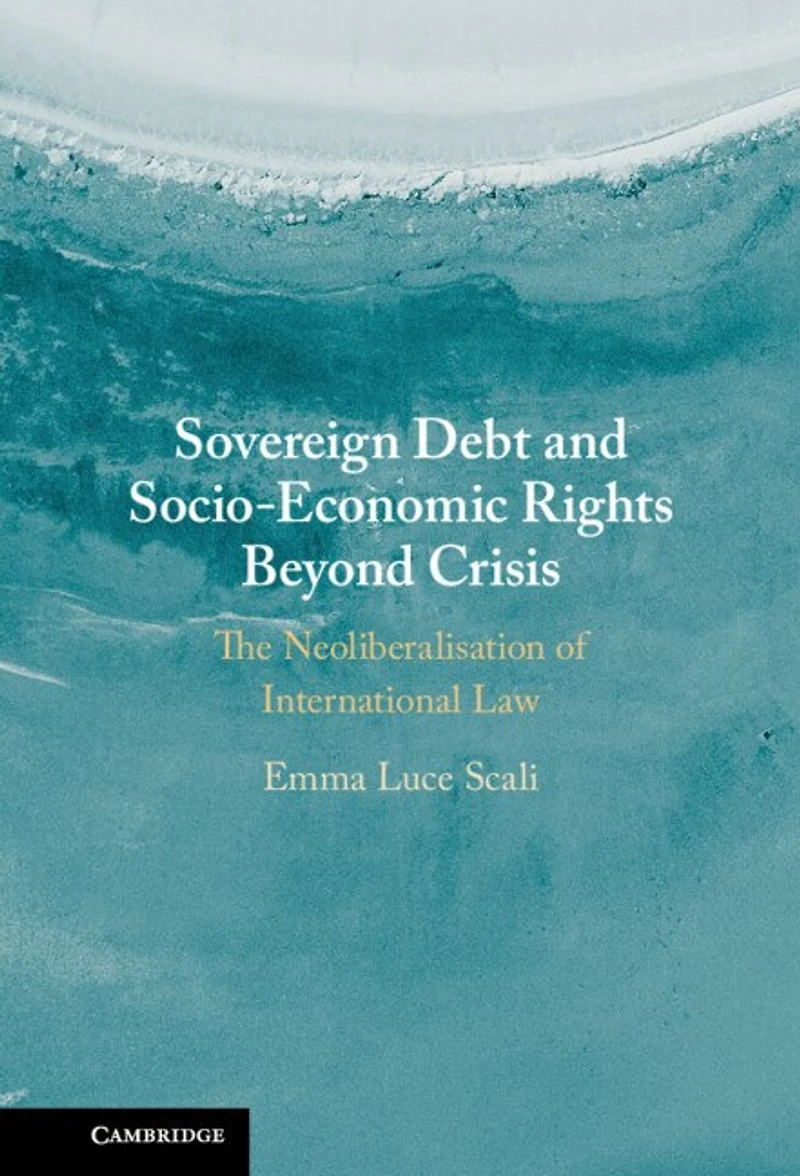
Sovereign Debt and Socio-Economic Rights Beyond Crisis: The Neoliberalisation of International Law
Current price: $166.95

Sovereign Debt and Socio-Economic Rights Beyond Crisis: The Neoliberalisation of International Law
Current price: $166.95
Loading Inventory...
Size: Hardcover
*Product information may vary - to confirm product availability, pricing, shipping and return information please contact Indigo
This book offers a distinctive critical discussion of the relationship between sovereign debt and socio-economic human rights in the context of the contemporary global neoliberal economic order, going beyond strictly 'post-crisis' approaches and emphasising the structural character and consistent growth of public and private indebtedness. It reflects on the implications of mounting debt for the actual ability of States to realise human rights in a world of escalating indebtedness, inequality and insecurity. It expands existing definitions of neoliberalism by reflecting in particular on neoliberalism's epistemological underpinnings, and provides a comprehensive and systematic analysis of the 2009 Greek debt crisis and the main elements of post-crisis developments in international and EU law, arguing that the 'neoliberalisation of law' has essentially been advanced in the wake of the Eurozone debt crisis.
This book offers a distinctive critical discussion of the relationship between sovereign debt and socio-economic human rights in the context of the contemporary global neoliberal economic order, going beyond strictly 'post-crisis' approaches and emphasising the structural character and consistent growth of public and private indebtedness. It reflects on the implications of mounting debt for the actual ability of States to realise human rights in a world of escalating indebtedness, inequality and insecurity. It expands existing definitions of neoliberalism by reflecting in particular on neoliberalism's epistemological underpinnings, and provides a comprehensive and systematic analysis of the 2009 Greek debt crisis and the main elements of post-crisis developments in international and EU law, arguing that the 'neoliberalisation of law' has essentially been advanced in the wake of the Eurozone debt crisis.
You May Also Like









More About Indigo at Erin Mills Town Centre
The largest book retailer in Canada also offers toys, music, home décor, gifts and lifestyle products. What's Inside...Books, Magazines, CD’s and DVD’s, Toys and Gifts, Home Accents, Electronics, Baby’s and Children’s Section, Bath and Body, Kitchen and Bedroom, Stationary Located outside in the exterior plaza.
5015 Glen Erin Dr, Mississauga, ON L5M 0R7, Canada
Find Indigo at Erin Mills Town Centre in Mississauga ON
Visit Indigo at Erin Mills Town Centre in Mississauga ON