

GIVE THE PERFECT GIFT
Erin Mills Town Centre Gift Cards are the perfect choice for your gift giving needs.Purchase gift cards at kiosks near the food court or centre court, at Guest Services, or click below to purchase online.PURCHASE HEREHome
Soviet and Post-Soviet Russian Foreign Policies III: East-West Relations in Europe and Eurasia in the Post-Cold War Transition, 1991–2001
Indigo
Loading Inventory...
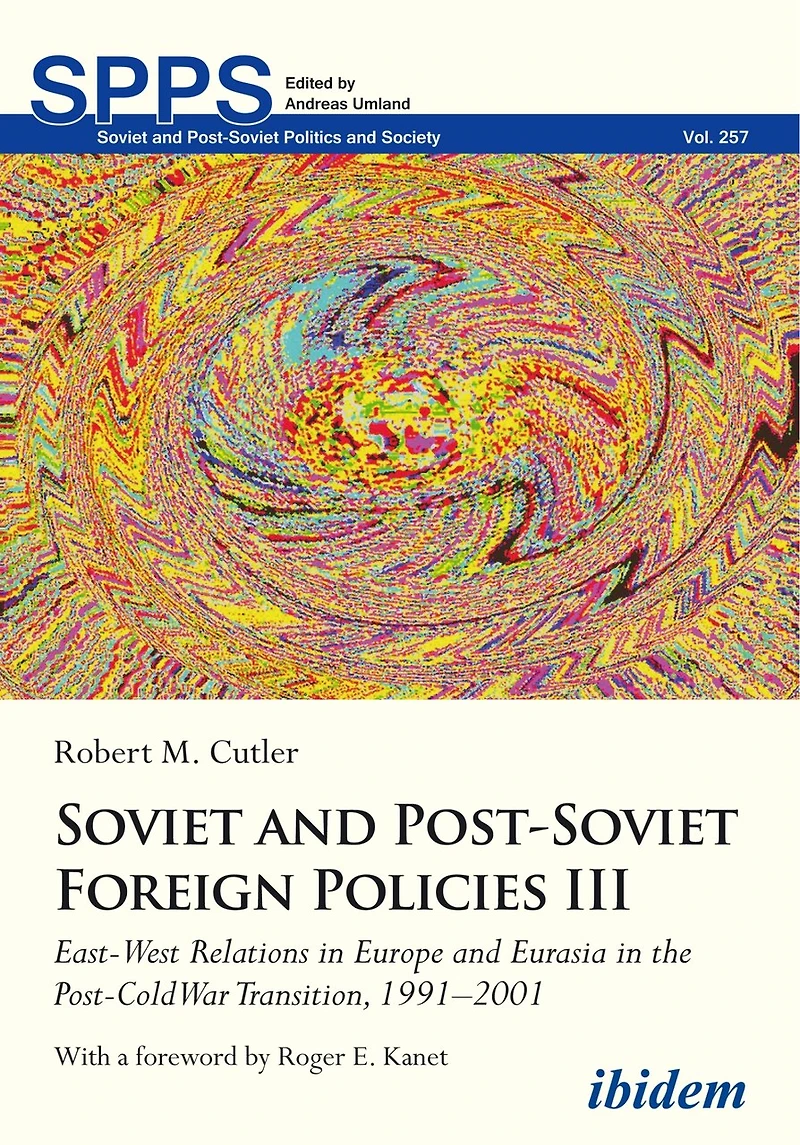
Soviet and Post-Soviet Russian Foreign Policies III: East-West Relations in Europe and Eurasia in the Post-Cold War Transition, 1991–2001
Current price: $52.00

Soviet and Post-Soviet Russian Foreign Policies III: East-West Relations in Europe and Eurasia in the Post-Cold War Transition, 1991–2001
Current price: $52.00
Loading Inventory...
Size: Paperback
*Product information may vary - to confirm product availability, pricing, shipping and return information please contact Indigo
This collection of studies investigates the political economy of international relations between the Soviet bloc and West European countries, both individually and cohering as the European Economic Community / European Communities. It spans the entire post-Stalin era, focusing on the 1970s and 1980s. The works examine international trade patterns in East–West relations; Soviet views of West European integration and their influence on practice, also for the bloc as a whole; and reciprocal effects on Soviet domestic politics and foreign policy more under Gorbachev and in historical perspective.
Extensive references make this volume a handbook which is of interest not only to researchers, but also to university students and the general public.
This collection of studies investigates the political economy of international relations between the Soviet bloc and West European countries, both individually and cohering as the European Economic Community / European Communities. It spans the entire post-Stalin era, focusing on the 1970s and 1980s. The works examine international trade patterns in East–West relations; Soviet views of West European integration and their influence on practice, also for the bloc as a whole; and reciprocal effects on Soviet domestic politics and foreign policy more under Gorbachev and in historical perspective.
Extensive references make this volume a handbook which is of interest not only to researchers, but also to university students and the general public.
You May Also Like







More About Indigo at Erin Mills Town Centre
The largest book retailer in Canada also offers toys, music, home décor, gifts and lifestyle products. What's Inside...Books, Magazines, CD’s and DVD’s, Toys and Gifts, Home Accents, Electronics, Baby’s and Children’s Section, Bath and Body, Kitchen and Bedroom, Stationary Located outside in the exterior plaza.
5015 Glen Erin Dr, Mississauga, ON L5M 0R7, Canada
Find Indigo at Erin Mills Town Centre in Mississauga ON
Visit Indigo at Erin Mills Town Centre in Mississauga ON