

GIVE THE PERFECT GIFT
Erin Mills Town Centre Gift Cards are the perfect choice for your gift giving needs.Purchase gift cards at kiosks near the food court or centre court, at Guest Services, or click below to purchase online.PURCHASE HEREHome
Space, Mobility, and Crisis Mega-Event Organisation: Tokyo Olympics 2020's Atmospheric Irradiations
Indigo
Loading Inventory...
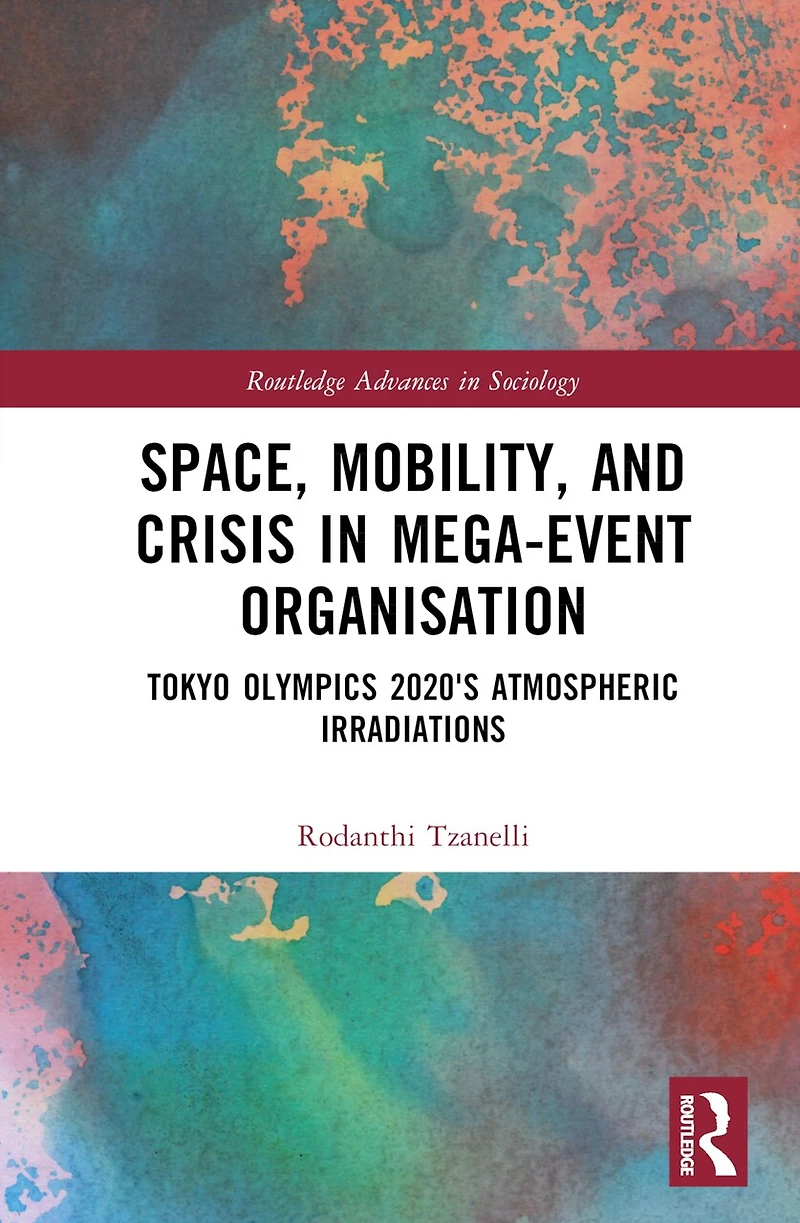
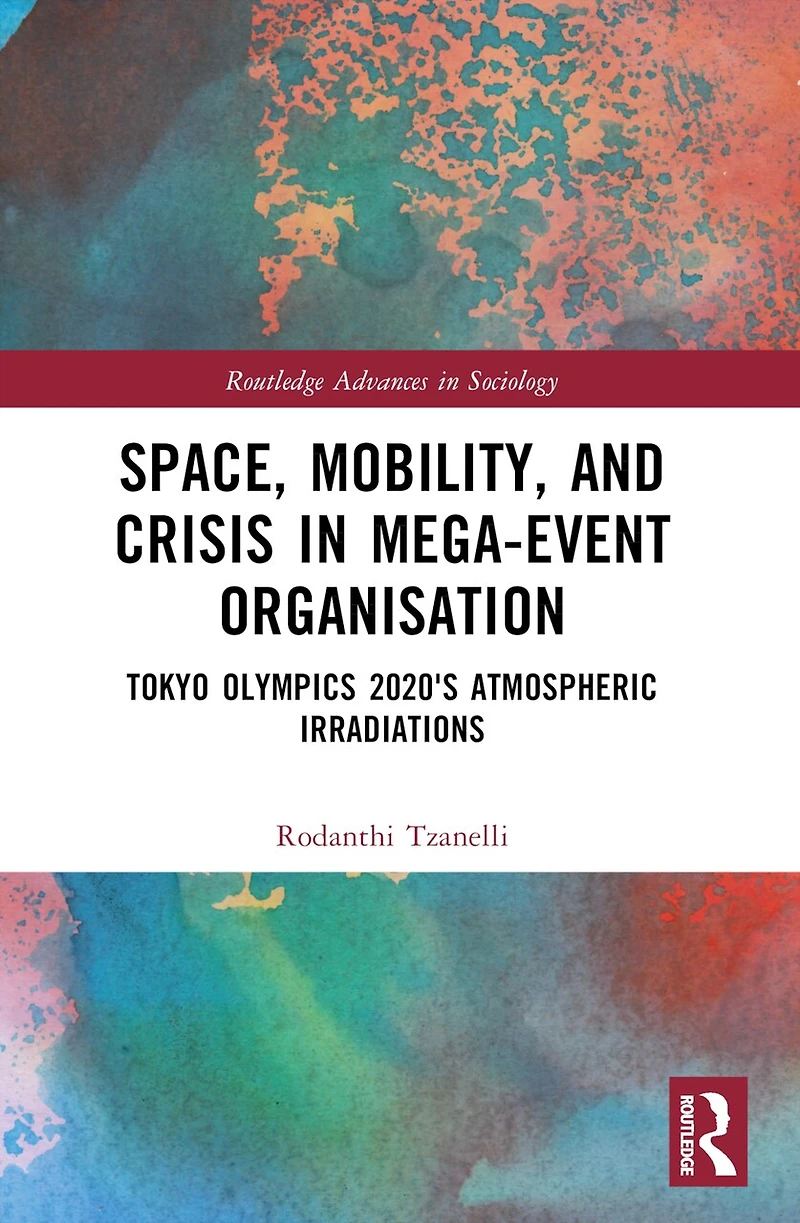
Space, Mobility, and Crisis Mega-Event Organisation: Tokyo Olympics 2020's Atmospheric Irradiations
Current price: $266.50

Space, Mobility, and Crisis Mega-Event Organisation: Tokyo Olympics 2020's Atmospheric Irradiations
Current price: $266.50
Loading Inventory...
Size: Hardcover
*Product information may vary - to confirm product availability, pricing, shipping and return information please contact Indigo
This book advances an alternative critical posthumanist approach to mega-event organisation, taking into account both the new and the old crises which humanity and our planet face. Taking the delayed Tokyo 2020 Olympic Games as a case study, Tzanelli explores mega-event crisis and risk management in the era of extreme urbanisation, natural disasters, global pandemic, and technoscientific control. Using the atmospheric term 'irradiation' (a technology of glamour and transparency, as well as bodily penetration by harmful agents and strong affects), the book explores this epistemological statement diachronically (via Tokyo's relationship with Western forms of domination) and synchronically (the city as a global cultural-political player but victim of climate catastrophes). It presents how the 'Olympic enterprise'sâ 'flattening' of indigenous environmental place-making rhythms, and the scientisation of space and place in the Anthropocene lead to reductionisms harmful for a viable programme of planetary recovery. An experimental study of the mega-event is enacted, which considers the researcher's analytical tools and the styles of human and non-human mobility during the mega-event as reflexive gateways to forms of posthuman flourishing. Crossing and bridging disciplinary boundaries, the book will appeal to any scholar interested in mobilities theory, event and environment studies, sociology of knowledge, and cultural globalisation.
This book advances an alternative critical posthumanist approach to mega-event organisation, taking into account both the new and the old crises which humanity and our planet face. Taking the delayed Tokyo 2020 Olympic Games as a case study, Tzanelli explores mega-event crisis and risk management in the era of extreme urbanisation, natural disasters, global pandemic, and technoscientific control. Using the atmospheric term 'irradiation' (a technology of glamour and transparency, as well as bodily penetration by harmful agents and strong affects), the book explores this epistemological statement diachronically (via Tokyo's relationship with Western forms of domination) and synchronically (the city as a global cultural-political player but victim of climate catastrophes). It presents how the 'Olympic enterprise'sâ 'flattening' of indigenous environmental place-making rhythms, and the scientisation of space and place in the Anthropocene lead to reductionisms harmful for a viable programme of planetary recovery. An experimental study of the mega-event is enacted, which considers the researcher's analytical tools and the styles of human and non-human mobility during the mega-event as reflexive gateways to forms of posthuman flourishing. Crossing and bridging disciplinary boundaries, the book will appeal to any scholar interested in mobilities theory, event and environment studies, sociology of knowledge, and cultural globalisation.
You May Also Like















More About Indigo at Erin Mills Town Centre
The largest book retailer in Canada also offers toys, music, home décor, gifts and lifestyle products. What's Inside...Books, Magazines, CD’s and DVD’s, Toys and Gifts, Home Accents, Electronics, Baby’s and Children’s Section, Bath and Body, Kitchen and Bedroom, Stationary Located outside in the exterior plaza.
5015 Glen Erin Dr, Mississauga, ON L5M 0R7, Canada
Find Indigo at Erin Mills Town Centre in Mississauga ON
Visit Indigo at Erin Mills Town Centre in Mississauga ON