

GIVE THE PERFECT GIFT
Erin Mills Town Centre Gift Cards are the perfect choice for your gift giving needs.Purchase gift cards at kiosks near the food court or centre court, at Guest Services, or click below to purchase online.PURCHASE HEREHome
Speaking, Stammering, Singing, Shouting: A Social History of the Modern Voice
Indigo
Loading Inventory...
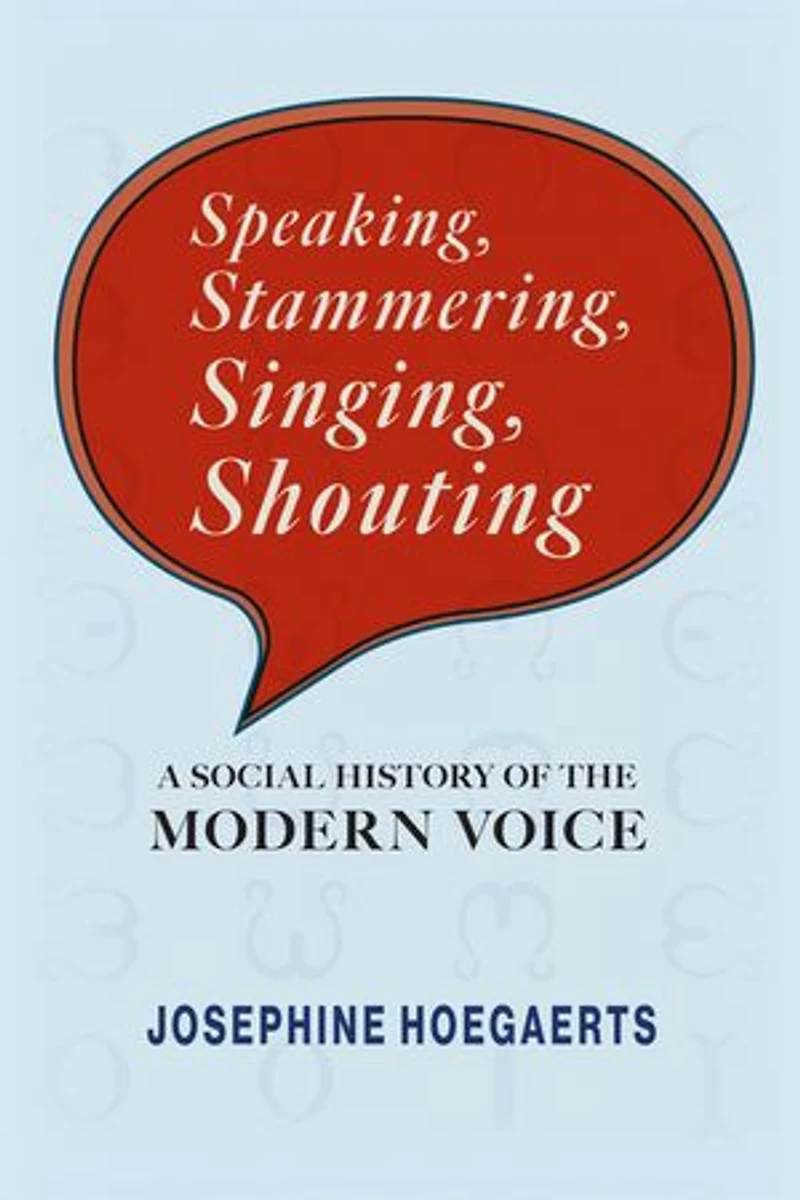
Speaking, Stammering, Singing, Shouting: A Social History of the Modern Voice
Current price: $72.79
Original price: $90.99

Speaking, Stammering, Singing, Shouting: A Social History of the Modern Voice
Current price: $72.79
Original price: $90.99
Loading Inventory...
Size: Kobo eBook
*Product information may vary - to confirm product availability, pricing, shipping and return information please contact Indigo
What was considered a good, normal, or healthy voice in the nineteenth century?
In 1854, singing master Manuel Garcia became the first person to see the vocal cords at work in a human throat. Less than a decade later, surgeon Paul Broca identified what he called a speech center in the brain. The almost simultaneous invention of the laryngoscope and the discovery of Broca’s area present important turning points for how medical, musical, and other experts understood how the human voice works.
These developments did not occur in a vacuum, however. In Speaking, Stammering, Singing, Shouting , Josephine Hoegaerts describes the ambitious attempts, throughout the nineteenth century, to observe, understand, and manage human voices, as well as the host of more traditional, domestic, and stereotypical beliefs about the voice that continued to exist alongside these new insights. She peers into the stammering therapist’s office, over the singing teacher’s shoulder, and occasionally into the laryngoscope to see how something so simple—the sound Europeans produced when they opened their mouths—changed over the course of the nineteenth century.
Combining insights from medical and musical histories with methods from the fields of sound studies and the history of experience, Hoegaerts traces how people imagined human voices in the nineteenth century and how they used them. Rather than focusing on the great singers and orators of the age, the book looks at the mundane daily practices of singers, speakers, and stammerers and the people who trained and studied them. What did it take, according to all these increasingly specialized professionals, to have a normal voice in nineteenth-century Europe?
What was considered a good, normal, or healthy voice in the nineteenth century?
In 1854, singing master Manuel Garcia became the first person to see the vocal cords at work in a human throat. Less than a decade later, surgeon Paul Broca identified what he called a speech center in the brain. The almost simultaneous invention of the laryngoscope and the discovery of Broca’s area present important turning points for how medical, musical, and other experts understood how the human voice works.
These developments did not occur in a vacuum, however. In Speaking, Stammering, Singing, Shouting , Josephine Hoegaerts describes the ambitious attempts, throughout the nineteenth century, to observe, understand, and manage human voices, as well as the host of more traditional, domestic, and stereotypical beliefs about the voice that continued to exist alongside these new insights. She peers into the stammering therapist’s office, over the singing teacher’s shoulder, and occasionally into the laryngoscope to see how something so simple—the sound Europeans produced when they opened their mouths—changed over the course of the nineteenth century.
Combining insights from medical and musical histories with methods from the fields of sound studies and the history of experience, Hoegaerts traces how people imagined human voices in the nineteenth century and how they used them. Rather than focusing on the great singers and orators of the age, the book looks at the mundane daily practices of singers, speakers, and stammerers and the people who trained and studied them. What did it take, according to all these increasingly specialized professionals, to have a normal voice in nineteenth-century Europe?
You May Also Like

















More About Indigo at Erin Mills Town Centre
The largest book retailer in Canada also offers toys, music, home décor, gifts and lifestyle products. What's Inside...Books, Magazines, CD’s and DVD’s, Toys and Gifts, Home Accents, Electronics, Baby’s and Children’s Section, Bath and Body, Kitchen and Bedroom, Stationary Located outside in the exterior plaza.
5015 Glen Erin Dr, Mississauga, ON L5M 0R7, Canada
Find Indigo at Erin Mills Town Centre in Mississauga ON
Visit Indigo at Erin Mills Town Centre in Mississauga ON