

GIVE THE PERFECT GIFT
Erin Mills Town Centre Gift Cards are the perfect choice for your gift giving needs.Purchase gift cards at kiosks near the food court or centre court, at Guest Services, or click below to purchase online.PURCHASE HEREHome
Spinoza's Ethics of Interpretation: Interpreting the Paradoxical Singularity of Spinoza's Ontological Argument
Indigo
Loading Inventory...
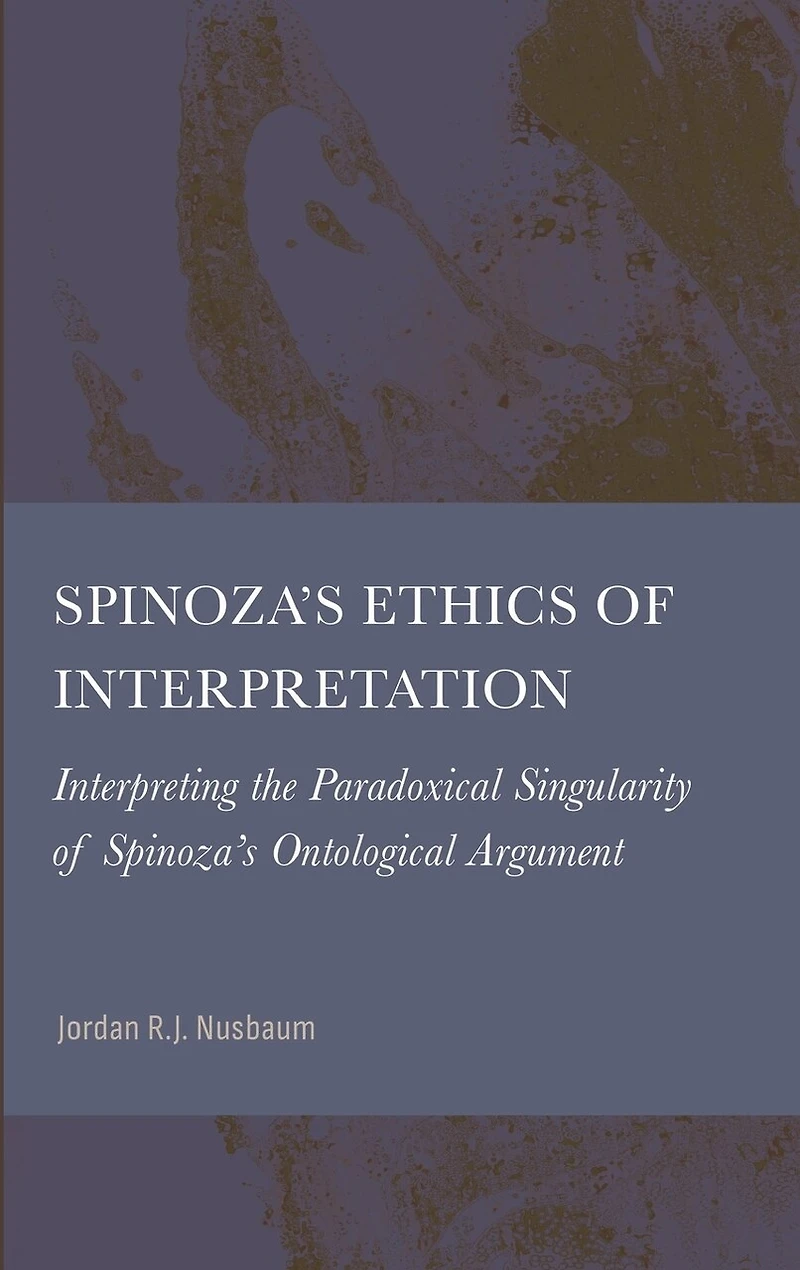
Spinoza's Ethics of Interpretation: Interpreting the Paradoxical Singularity of Spinoza's Ontological Argument
Current price: $169.95

Spinoza's Ethics of Interpretation: Interpreting the Paradoxical Singularity of Spinoza's Ontological Argument
Current price: $169.95
Loading Inventory...
Size: Hardcover
*Product information may vary - to confirm product availability, pricing, shipping and return information please contact Indigo
This book examines Spinoza's ontological argument and introduces the concept of "paradoxical singularity." It explores the ways in which Spinoza's ontology establishes a framework in which singular things are, paradoxically, differentiated through intersecting causes. The book argues that Spinoza's ontological argument functions at once as a philosophical, religious, and political ethos in which interpretation is inseparable from cooperation. This emphasizes a connection between the productions of knowledge (interpretation) and the way of life (ethos) that those productions involve and express. Recommended for scholars interested in Spinoza's influence on post-structuralism, trans-individuality, and the history of secular religious thought.
This book examines Spinoza's ontological argument and introduces the concept of "paradoxical singularity." It explores the ways in which Spinoza's ontology establishes a framework in which singular things are, paradoxically, differentiated through intersecting causes. The book argues that Spinoza's ontological argument functions at once as a philosophical, religious, and political ethos in which interpretation is inseparable from cooperation. This emphasizes a connection between the productions of knowledge (interpretation) and the way of life (ethos) that those productions involve and express. Recommended for scholars interested in Spinoza's influence on post-structuralism, trans-individuality, and the history of secular religious thought.
You May Also Like










More About Indigo at Erin Mills Town Centre
The largest book retailer in Canada also offers toys, music, home décor, gifts and lifestyle products. What's Inside...Books, Magazines, CD’s and DVD’s, Toys and Gifts, Home Accents, Electronics, Baby’s and Children’s Section, Bath and Body, Kitchen and Bedroom, Stationary Located outside in the exterior plaza.
5015 Glen Erin Dr, Mississauga, ON L5M 0R7, Canada
Find Indigo at Erin Mills Town Centre in Mississauga ON
Visit Indigo at Erin Mills Town Centre in Mississauga ON