

GIVE THE PERFECT GIFT
Erin Mills Town Centre Gift Cards are the perfect choice for your gift giving needs.Purchase gift cards at kiosks near the food court or centre court, at Guest Services, or click below to purchase online.PURCHASE HEREHome
Stalin's Ghosts: Gothic Themes in Early Soviet Literature
Indigo
Loading Inventory...
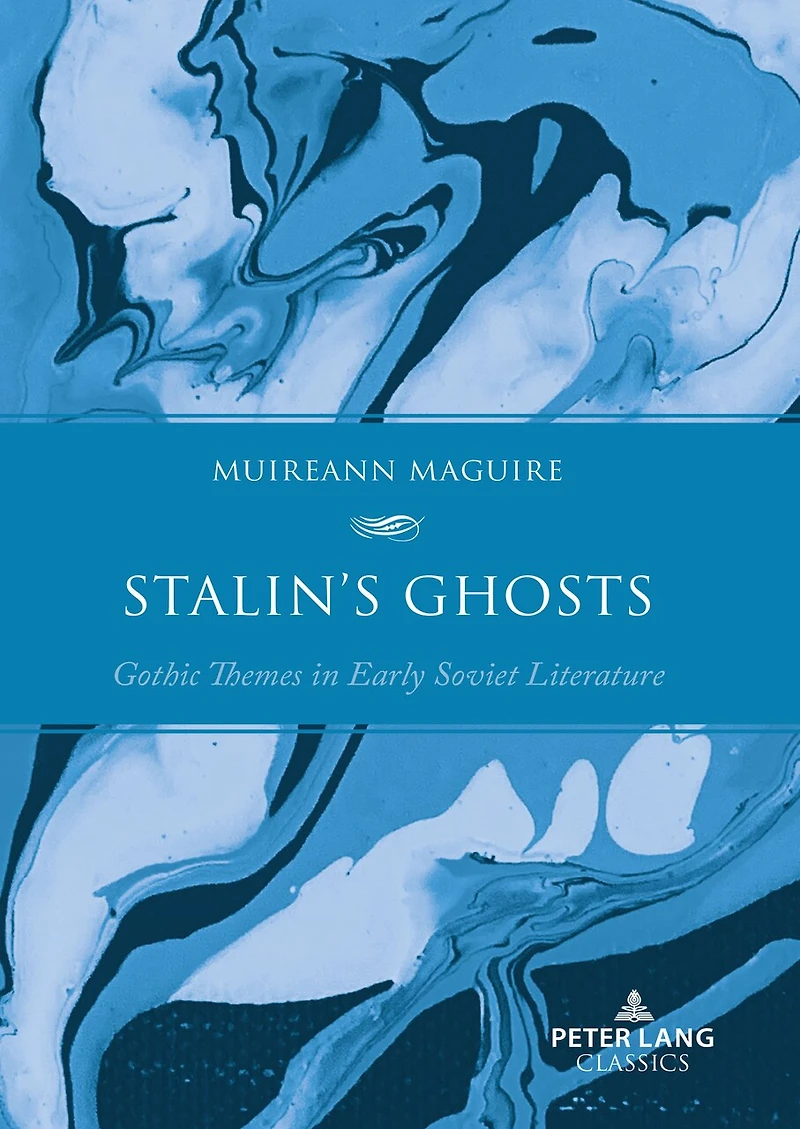
Stalin's Ghosts: Gothic Themes in Early Soviet Literature
Current price: $107.85

Stalin's Ghosts: Gothic Themes in Early Soviet Literature
Current price: $107.85
Loading Inventory...
Size: Paperback
*Product information may vary - to confirm product availability, pricing, shipping and return information please contact Indigo
Stalin’s Ghosts examines the impact of the Gothic-fantastic on Russian literature in the period 1920-1940. It shows how early Soviet-era authors, from well-known names including Fedor Gladkov, Mikhail Bulgakov, Andrei Platonov and Evgenii Zamiatin, to niche figures such as Sigizmund Krzhizhanovskii and Aleksandr Beliaev, exploited traditional archetypes of this genre: the haunted castle, the deformed body, vampires, villains, madness and unnatural death. Complementing recent studies of Soviet culture by Eric Naiman and Lilya Kaganovsky, this book argues that Gothic-fantastic tropes functioned variously as a response to the traumas produced by revolution and civil war, as a vehicle for propaganda, and as a subtle mode of unwriting the cultural monolith of Socialist Realism.
Stalin’s Ghosts examines the impact of the Gothic-fantastic on Russian literature in the period 1920-1940. It shows how early Soviet-era authors, from well-known names including Fedor Gladkov, Mikhail Bulgakov, Andrei Platonov and Evgenii Zamiatin, to niche figures such as Sigizmund Krzhizhanovskii and Aleksandr Beliaev, exploited traditional archetypes of this genre: the haunted castle, the deformed body, vampires, villains, madness and unnatural death. Complementing recent studies of Soviet culture by Eric Naiman and Lilya Kaganovsky, this book argues that Gothic-fantastic tropes functioned variously as a response to the traumas produced by revolution and civil war, as a vehicle for propaganda, and as a subtle mode of unwriting the cultural monolith of Socialist Realism.
You May Also Like








More About Indigo at Erin Mills Town Centre
The largest book retailer in Canada also offers toys, music, home décor, gifts and lifestyle products. What's Inside...Books, Magazines, CD’s and DVD’s, Toys and Gifts, Home Accents, Electronics, Baby’s and Children’s Section, Bath and Body, Kitchen and Bedroom, Stationary Located outside in the exterior plaza.
5015 Glen Erin Dr, Mississauga, ON L5M 0R7, Canada
Find Indigo at Erin Mills Town Centre in Mississauga ON
Visit Indigo at Erin Mills Town Centre in Mississauga ON