

GIVE THE PERFECT GIFT
Erin Mills Town Centre Gift Cards are the perfect choice for your gift giving needs.Purchase gift cards at kiosks near the food court or centre court, at Guest Services, or click below to purchase online.PURCHASE HEREHome
State-Building as Lawfare: Custom, Sharia, and State Law in Postwar Chechnya
Indigo
Loading Inventory...
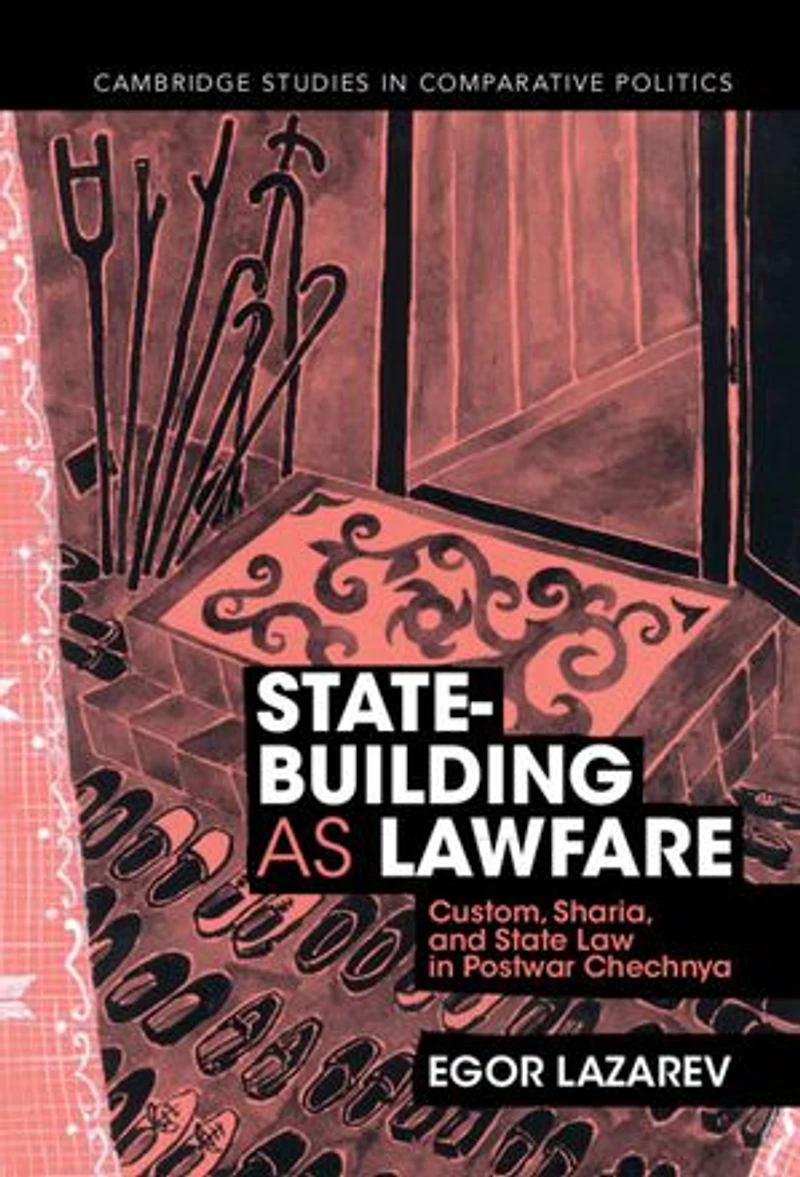
State-Building as Lawfare: Custom, Sharia, and State Law in Postwar Chechnya
Current price: $34.39
Original price: $42.95

State-Building as Lawfare: Custom, Sharia, and State Law in Postwar Chechnya
Current price: $34.39
Original price: $42.95
Loading Inventory...
Size: Kobo eBook
*Product information may vary - to confirm product availability, pricing, shipping and return information please contact Indigo
State-Building as Lawfare explores the use of state and non-state legal systems by both politicians and ordinary people in postwar Chechnya. The book addresses two interrelated puzzles: why do local rulers tolerate and even promote non-state legal systems at the expense of state law, and why do some members of repressed ethnic minorities choose to resolve their everyday disputes using state legal systems instead of non-state alternatives? The book documents how the rulers of Chechnya promote and reinvent customary law and Sharia in order to borrow legitimacy from tradition and religion, increase autonomy from the metropole, and accommodate communal authorities and former rebels. At the same time, the book shows how prolonged armed conflict disrupted the traditional social hierarchies and pushed some Chechen women to use state law, spurring state formation from below.
State-Building as Lawfare explores the use of state and non-state legal systems by both politicians and ordinary people in postwar Chechnya. The book addresses two interrelated puzzles: why do local rulers tolerate and even promote non-state legal systems at the expense of state law, and why do some members of repressed ethnic minorities choose to resolve their everyday disputes using state legal systems instead of non-state alternatives? The book documents how the rulers of Chechnya promote and reinvent customary law and Sharia in order to borrow legitimacy from tradition and religion, increase autonomy from the metropole, and accommodate communal authorities and former rebels. At the same time, the book shows how prolonged armed conflict disrupted the traditional social hierarchies and pushed some Chechen women to use state law, spurring state formation from below.
You May Also Like








More About Indigo at Erin Mills Town Centre
The largest book retailer in Canada also offers toys, music, home décor, gifts and lifestyle products. What's Inside...Books, Magazines, CD’s and DVD’s, Toys and Gifts, Home Accents, Electronics, Baby’s and Children’s Section, Bath and Body, Kitchen and Bedroom, Stationary Located outside in the exterior plaza.
5015 Glen Erin Dr, Mississauga, ON L5M 0R7, Canada
Find Indigo at Erin Mills Town Centre in Mississauga ON
Visit Indigo at Erin Mills Town Centre in Mississauga ON