

GIVE THE PERFECT GIFT
Erin Mills Town Centre Gift Cards are the perfect choice for your gift giving needs.Purchase gift cards at kiosks near the food court or centre court, at Guest Services, or click below to purchase online.PURCHASE HEREHome
States, Markets, and Foreign Aid
Indigo
Loading Inventory...
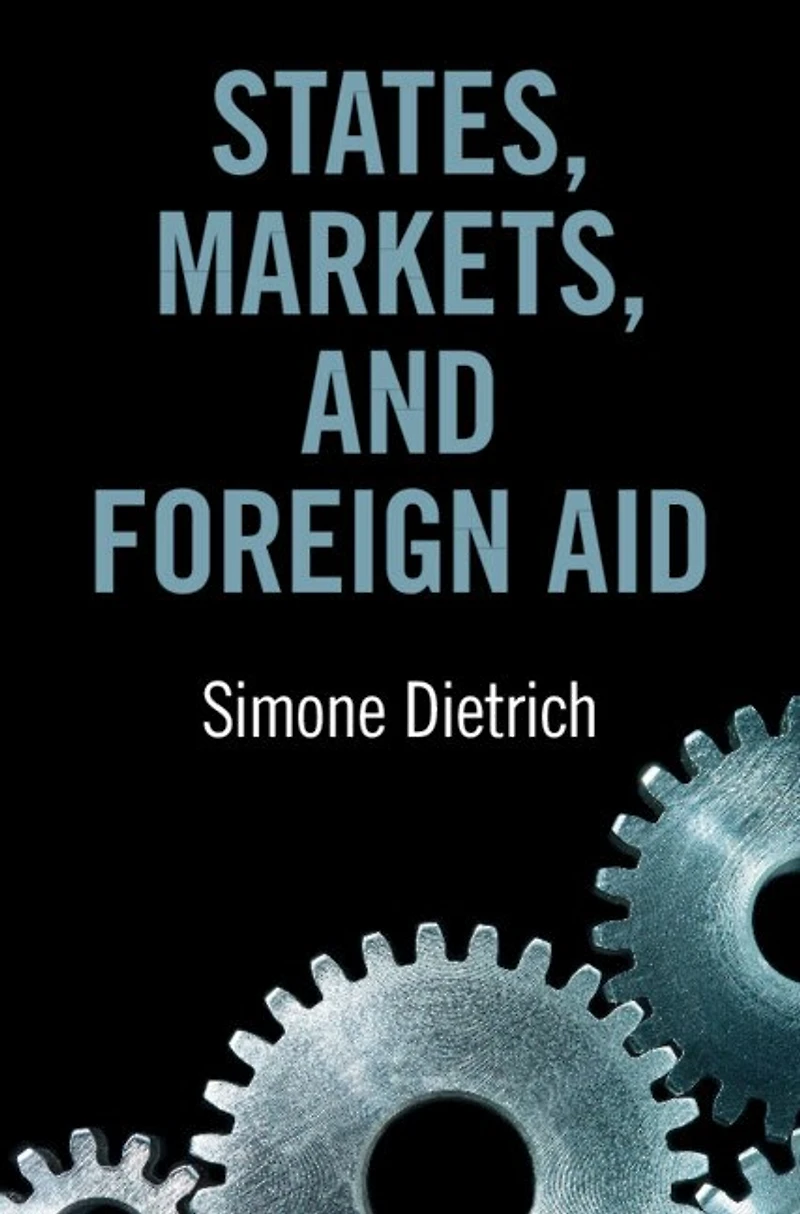
States, Markets, and Foreign Aid
Current price: $127.95

States, Markets, and Foreign Aid
Current price: $127.95
Loading Inventory...
Size: Hardcover
*Product information may vary - to confirm product availability, pricing, shipping and return information please contact Indigo
Why do some donor governments pursue international development through recipient governments, while others bypass such local authorities? Weaving together scholarship in political economy, public administration and historical institutionalism, Simone Dietrich argues that the bureaucratic institutions of donor countries shape donor–recipient interactions differently despite similar international and recipient country conditions. Donor nations employ institutional constraints that authorize, enable and justify particular aid delivery tactics while precluding others. Offering quantitative and qualitative analyses of donor decision-making, the book illuminates how donors with neoliberally organized public sectors bypass recipient governments, while donors with more traditional public-sector-oriented institutions cooperate and engage recipient authorities on aid delivery. The book demonstrates how internal beliefs and practices about states and markets inform how donors see and set their objectives for foreign aid and international development itself. It informs debates about aid effectiveness and donor coordination and carries implications for the study of foreign policy, more broadly.
Why do some donor governments pursue international development through recipient governments, while others bypass such local authorities? Weaving together scholarship in political economy, public administration and historical institutionalism, Simone Dietrich argues that the bureaucratic institutions of donor countries shape donor–recipient interactions differently despite similar international and recipient country conditions. Donor nations employ institutional constraints that authorize, enable and justify particular aid delivery tactics while precluding others. Offering quantitative and qualitative analyses of donor decision-making, the book illuminates how donors with neoliberally organized public sectors bypass recipient governments, while donors with more traditional public-sector-oriented institutions cooperate and engage recipient authorities on aid delivery. The book demonstrates how internal beliefs and practices about states and markets inform how donors see and set their objectives for foreign aid and international development itself. It informs debates about aid effectiveness and donor coordination and carries implications for the study of foreign policy, more broadly.
You May Also Like











More About Indigo at Erin Mills Town Centre
The largest book retailer in Canada also offers toys, music, home décor, gifts and lifestyle products. What's Inside...Books, Magazines, CD’s and DVD’s, Toys and Gifts, Home Accents, Electronics, Baby’s and Children’s Section, Bath and Body, Kitchen and Bedroom, Stationary Located outside in the exterior plaza.
5015 Glen Erin Dr, Mississauga, ON L5M 0R7, Canada
Find Indigo at Erin Mills Town Centre in Mississauga ON
Visit Indigo at Erin Mills Town Centre in Mississauga ON