

GIVE THE PERFECT GIFT
Erin Mills Town Centre Gift Cards are the perfect choice for your gift giving needs.Purchase gift cards at kiosks near the food court or centre court, at Guest Services, or click below to purchase online.PURCHASE HEREHome
States of Vulnerability: The Brain Drain of Future Talent to South Africa
Indigo
Loading Inventory...
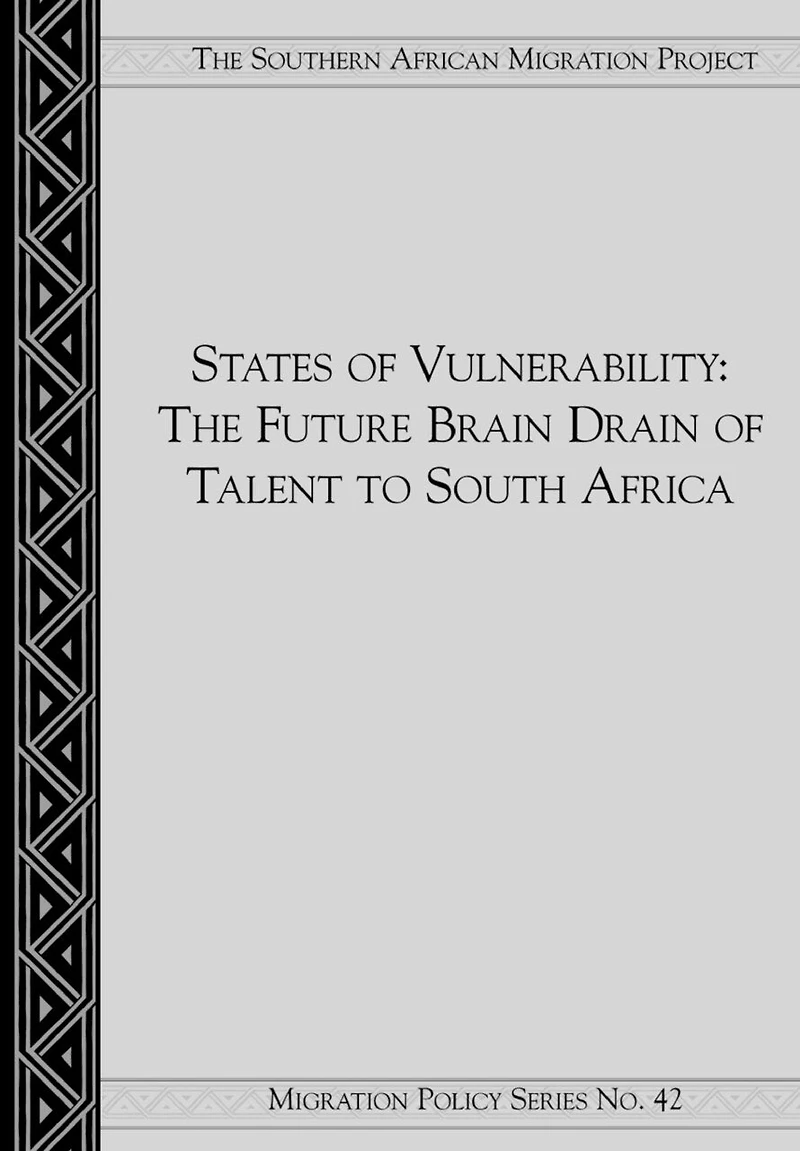
States of Vulnerability: The Brain Drain of Future Talent to South Africa
Current price: $48.69

States of Vulnerability: The Brain Drain of Future Talent to South Africa
Current price: $48.69
Loading Inventory...
Size: Paperback
*Product information may vary - to confirm product availability, pricing, shipping and return information please contact Indigo
The 'brain drain', or skills emigration, is a major policy and research issues at national, regional and continental levels in Africa, trends having intensified in the 1980s and 1990s. The prevailing message is that only fundamental economic reform and improved quality of live will stem the search for employment overseas. To date however, the debate has been couched in binary terms: the South loses; the North gains. Brain drain within the South receives much less attention. To redress the balance, this study considers internal migration within the southern African sub-region, particularly in light of South African immigration policies. The report presents the results of a baseline study of potential skills in six SADC countries: Botswana, Lesotho, Swaziland and Namibia, South Africa and Zimbabwe. It illustrates how the poorest countries - Zimbabwe, Lesotho and Swaziland - are the likely losers. South Africa gains regionally, but is losing skilled citizens to the North. The study highlights the contradiction between tight national immigration policies and the wider political pressures for stronger regional integration, arguing thismay yet present the most promising contingency.
The 'brain drain', or skills emigration, is a major policy and research issues at national, regional and continental levels in Africa, trends having intensified in the 1980s and 1990s. The prevailing message is that only fundamental economic reform and improved quality of live will stem the search for employment overseas. To date however, the debate has been couched in binary terms: the South loses; the North gains. Brain drain within the South receives much less attention. To redress the balance, this study considers internal migration within the southern African sub-region, particularly in light of South African immigration policies. The report presents the results of a baseline study of potential skills in six SADC countries: Botswana, Lesotho, Swaziland and Namibia, South Africa and Zimbabwe. It illustrates how the poorest countries - Zimbabwe, Lesotho and Swaziland - are the likely losers. South Africa gains regionally, but is losing skilled citizens to the North. The study highlights the contradiction between tight national immigration policies and the wider political pressures for stronger regional integration, arguing thismay yet present the most promising contingency.
You May Also Like














More About Indigo at Erin Mills Town Centre
The largest book retailer in Canada also offers toys, music, home décor, gifts and lifestyle products. What's Inside...Books, Magazines, CD’s and DVD’s, Toys and Gifts, Home Accents, Electronics, Baby’s and Children’s Section, Bath and Body, Kitchen and Bedroom, Stationary Located outside in the exterior plaza.
5015 Glen Erin Dr, Mississauga, ON L5M 0R7, Canada
Find Indigo at Erin Mills Town Centre in Mississauga ON
Visit Indigo at Erin Mills Town Centre in Mississauga ON