

GIVE THE PERFECT GIFT
Erin Mills Town Centre Gift Cards are the perfect choice for your gift giving needs.Purchase gift cards at kiosks near the food court or centre court, at Guest Services, or click below to purchase online.PURCHASE HEREHome
Stealing from the Gods: Temple Robbery in the Roman Imagination
Indigo
Loading Inventory...
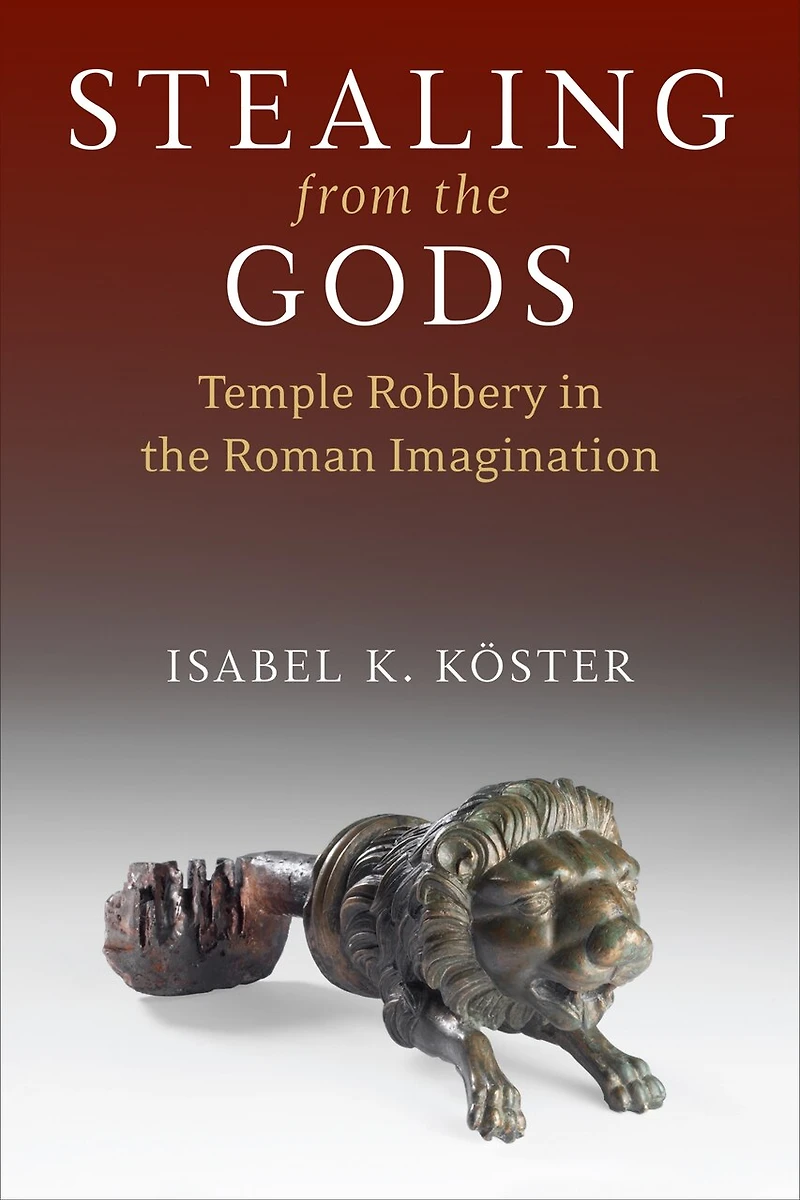
Stealing from the Gods: Temple Robbery in the Roman Imagination
Current price: $117.00

Stealing from the Gods: Temple Robbery in the Roman Imagination
Current price: $117.00
Loading Inventory...
Size: Hardcover
*Product information may vary - to confirm product availability, pricing, shipping and return information please contact Indigo
Stealing from the Gods investigates how authors writing between the first century BCE and second century CE addressed the issue of temple robbery or sacrilegium . As a self-proclaimed empire of pious people, the Romans viewed temple robbery as deeply un-Roman and among the worst of offenses. On the other hand, given the constant financial pressures of warfare and administration, it was inevitable that the Romans would make use of the riches stored in sanctuaries. In order to resolve this dilemma, the Romans distinguished sharply between acceptable and unacceptable removals of sacred property. When those who conducted themselves as proper Romans plundered the property of the gods, their actions were for the good of the state. In contrast, the temple robber was viewed as a stranger to the norms of Roman society and an enemy of the state.
Ancient authors including Cicero, Caesar, Livy, Appian, and Pausanias present isolated, grotesque individuals whose actions have no bearing on the conduct of Romans as a whole, rendering temple robbery not a matter of collective responsibility, but of individual moral failure. By revealing how narratives of temple robbery are constructed from a literary perspective and how they inform discourses about military conquest and imperial rule, Isabel K. Köster shines a new light on how the Romans coped with the more pernicious aspects of their empire.
Stealing from the Gods investigates how authors writing between the first century BCE and second century CE addressed the issue of temple robbery or sacrilegium . As a self-proclaimed empire of pious people, the Romans viewed temple robbery as deeply un-Roman and among the worst of offenses. On the other hand, given the constant financial pressures of warfare and administration, it was inevitable that the Romans would make use of the riches stored in sanctuaries. In order to resolve this dilemma, the Romans distinguished sharply between acceptable and unacceptable removals of sacred property. When those who conducted themselves as proper Romans plundered the property of the gods, their actions were for the good of the state. In contrast, the temple robber was viewed as a stranger to the norms of Roman society and an enemy of the state.
Ancient authors including Cicero, Caesar, Livy, Appian, and Pausanias present isolated, grotesque individuals whose actions have no bearing on the conduct of Romans as a whole, rendering temple robbery not a matter of collective responsibility, but of individual moral failure. By revealing how narratives of temple robbery are constructed from a literary perspective and how they inform discourses about military conquest and imperial rule, Isabel K. Köster shines a new light on how the Romans coped with the more pernicious aspects of their empire.
You May Also Like












More About Indigo at Erin Mills Town Centre
The largest book retailer in Canada also offers toys, music, home décor, gifts and lifestyle products. What's Inside...Books, Magazines, CD’s and DVD’s, Toys and Gifts, Home Accents, Electronics, Baby’s and Children’s Section, Bath and Body, Kitchen and Bedroom, Stationary Located outside in the exterior plaza.
5015 Glen Erin Dr, Mississauga, ON L5M 0R7, Canada
Find Indigo at Erin Mills Town Centre in Mississauga ON
Visit Indigo at Erin Mills Town Centre in Mississauga ON