

GIVE THE PERFECT GIFT
Erin Mills Town Centre Gift Cards are the perfect choice for your gift giving needs.Purchase gift cards at kiosks near the food court or centre court, at Guest Services, or click below to purchase online.PURCHASE HEREHome
Stem Cell Governance and Ethics
Indigo
Loading Inventory...
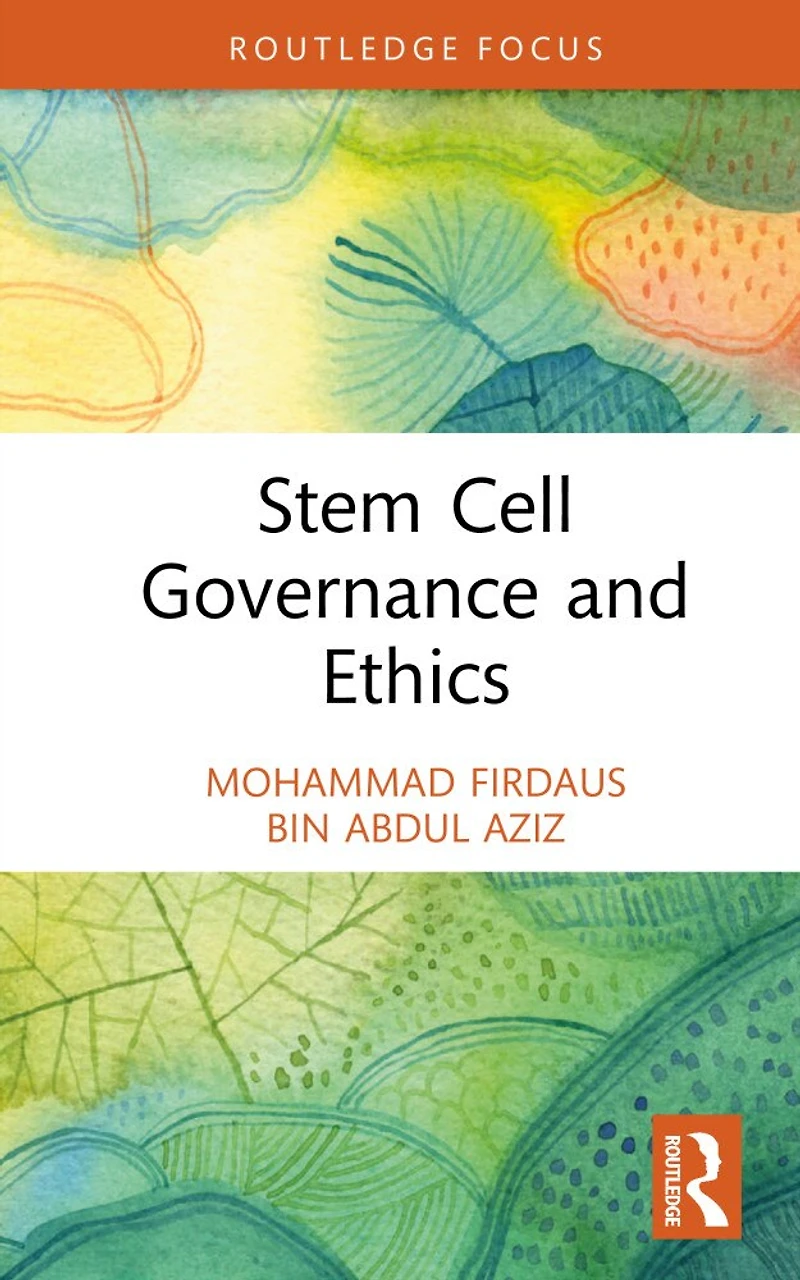
Stem Cell Governance and Ethics
Current price: $109.95

Stem Cell Governance and Ethics
Current price: $109.95
Loading Inventory...
Size: Hardcover
*Product information may vary - to confirm product availability, pricing, shipping and return information please contact Indigo
This book explores the ethical and governance concerns of stem cell technology, taking a comparative approach between countries of differing socio-economic status. The book provides a typology of different stem cell types and discusses key ethical issues surrounding the use of human stem cells in research. Topics covered include the moral status of human embryos, various religious perspectives, and the challenges posed by unproven stem cell interventions. The book also examines the existing governance frameworks in the United Kingdom, Singapore, and Malaysia, identifying the laws, guidelines, and advisory bodies established to address the identified ethical issues. Applicable lessons on establishing robust regulatory frameworks, fostering public trust, and ensuring responsible research practices are outlined. By providing a comparative analysis of the interplay between ethics, governance, and the socio-economic contexts of these three commonwealth countries, this book will interest health law, research ethics, and bioethics scholars.
This book explores the ethical and governance concerns of stem cell technology, taking a comparative approach between countries of differing socio-economic status. The book provides a typology of different stem cell types and discusses key ethical issues surrounding the use of human stem cells in research. Topics covered include the moral status of human embryos, various religious perspectives, and the challenges posed by unproven stem cell interventions. The book also examines the existing governance frameworks in the United Kingdom, Singapore, and Malaysia, identifying the laws, guidelines, and advisory bodies established to address the identified ethical issues. Applicable lessons on establishing robust regulatory frameworks, fostering public trust, and ensuring responsible research practices are outlined. By providing a comparative analysis of the interplay between ethics, governance, and the socio-economic contexts of these three commonwealth countries, this book will interest health law, research ethics, and bioethics scholars.








More About Indigo at Erin Mills Town Centre
The largest book retailer in Canada also offers toys, music, home décor, gifts and lifestyle products. What's Inside...Books, Magazines, CD’s and DVD’s, Toys and Gifts, Home Accents, Electronics, Baby’s and Children’s Section, Bath and Body, Kitchen and Bedroom, Stationary Located outside in the exterior plaza.
5015 Glen Erin Dr, Mississauga, ON L5M 0R7, Canada
Find Indigo at Erin Mills Town Centre in Mississauga ON
Visit Indigo at Erin Mills Town Centre in Mississauga ON