

GIVE THE PERFECT GIFT
Erin Mills Town Centre Gift Cards are the perfect choice for your gift giving needs.Purchase gift cards at kiosks near the food court or centre court, at Guest Services, or click below to purchase online.PURCHASE HEREHome
Stop Spying on US: The Fight against Mass Surveillance, Intelligence War and Security Sector Reforms in Britain and the European Union
Indigo
Loading Inventory...
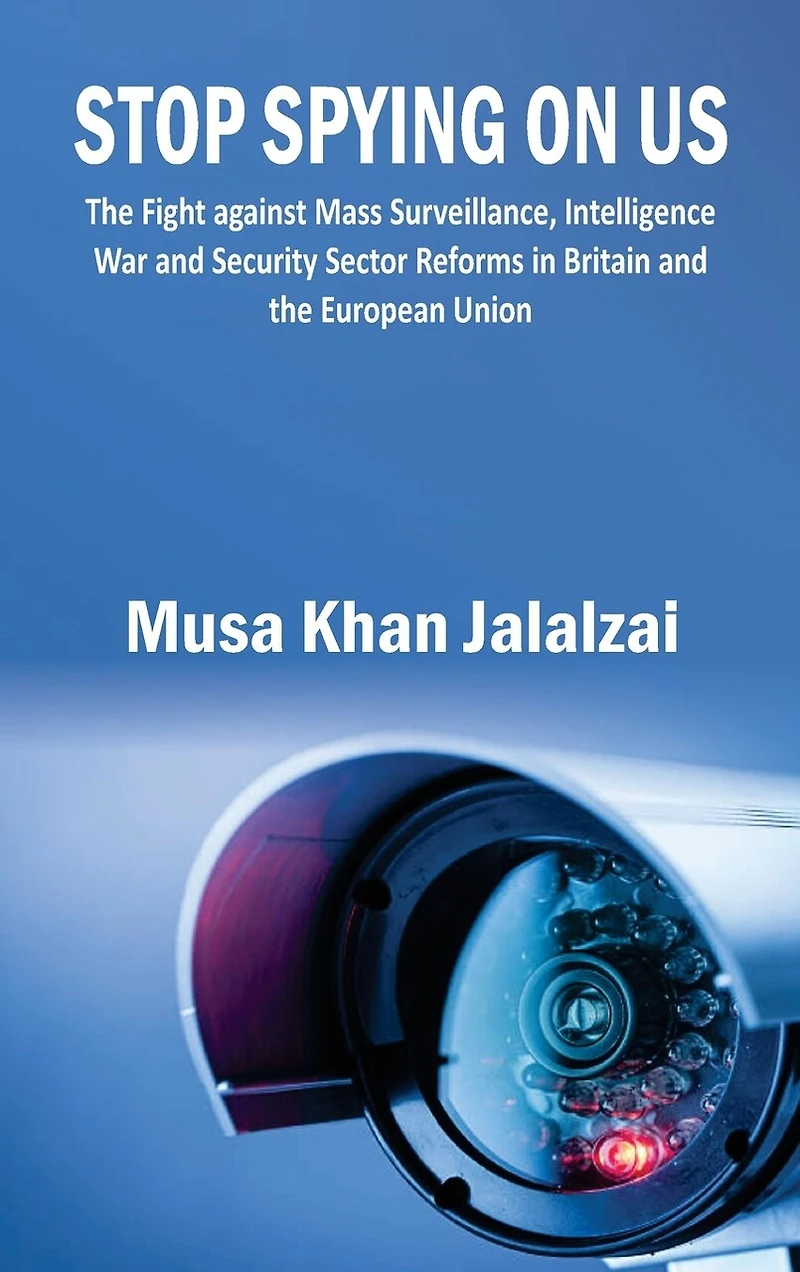
Stop Spying on US: The Fight against Mass Surveillance, Intelligence War and Security Sector Reforms in Britain and the European Union
Current price: $84.50

Stop Spying on US: The Fight against Mass Surveillance, Intelligence War and Security Sector Reforms in Britain and the European Union
Current price: $84.50
Loading Inventory...
Size: Hardcover
*Product information may vary - to confirm product availability, pricing, shipping and return information please contact Indigo
The last decade experienced a new Mass Surveillance in Europe and the United Kingdom. Facial Recognition Technology in several EU member states including Britain, deeply overblown normal lives of citizens. All spying plans failed to get incontrovertible results. Over the past 20 years, growing national security controversies mostly revolved around the failure of intelligence cooperation among the EU member states, which resulted in mistrust and the emergence of major extremist organizations that threatened the national security of the region. The United Kingdom left European Union on 31 January 2020 but faced more trouble to deal with the member states' hostile policy. In yesteryears, some intelligence reforms were introduced in France, Germany, Britain, Poland, and Romania, but bogged down and embroiled in a complex struggle to confront former Communist intelligence infrastructures and bring intelligence under democratic control. The introduction of Mass Surveillance programs of British and European intelligence services prompted anxiety and fear of warrantless information collection. The backbone of the British intelligence surveillance is "TEMPORA" which watches everyone with its changing sights, and collects every piece of intelligence information with care. This surveillance system has many eyes and ears that lesson to every social and political conversation across the country. This important book discusses national security and intelligence surveillance mechanism in Britain and the European Union Member states. The Book also spotlights elements of centralization of power in Britain and the EU.
The last decade experienced a new Mass Surveillance in Europe and the United Kingdom. Facial Recognition Technology in several EU member states including Britain, deeply overblown normal lives of citizens. All spying plans failed to get incontrovertible results. Over the past 20 years, growing national security controversies mostly revolved around the failure of intelligence cooperation among the EU member states, which resulted in mistrust and the emergence of major extremist organizations that threatened the national security of the region. The United Kingdom left European Union on 31 January 2020 but faced more trouble to deal with the member states' hostile policy. In yesteryears, some intelligence reforms were introduced in France, Germany, Britain, Poland, and Romania, but bogged down and embroiled in a complex struggle to confront former Communist intelligence infrastructures and bring intelligence under democratic control. The introduction of Mass Surveillance programs of British and European intelligence services prompted anxiety and fear of warrantless information collection. The backbone of the British intelligence surveillance is "TEMPORA" which watches everyone with its changing sights, and collects every piece of intelligence information with care. This surveillance system has many eyes and ears that lesson to every social and political conversation across the country. This important book discusses national security and intelligence surveillance mechanism in Britain and the European Union Member states. The Book also spotlights elements of centralization of power in Britain and the EU.
You May Also Like


















More About Indigo at Erin Mills Town Centre
The largest book retailer in Canada also offers toys, music, home décor, gifts and lifestyle products. What's Inside...Books, Magazines, CD’s and DVD’s, Toys and Gifts, Home Accents, Electronics, Baby’s and Children’s Section, Bath and Body, Kitchen and Bedroom, Stationary Located outside in the exterior plaza.
5015 Glen Erin Dr, Mississauga, ON L5M 0R7, Canada
Find Indigo at Erin Mills Town Centre in Mississauga ON
Visit Indigo at Erin Mills Town Centre in Mississauga ON