

GIVE THE PERFECT GIFT
Erin Mills Town Centre Gift Cards are the perfect choice for your gift giving needs.Purchase gift cards at kiosks near the food court or centre court, at Guest Services, or click below to purchase online.PURCHASE HEREHome
Strangers and Misfits: Banishment, Social Control, and Authority in Early Modern Germany
Indigo
Loading Inventory...
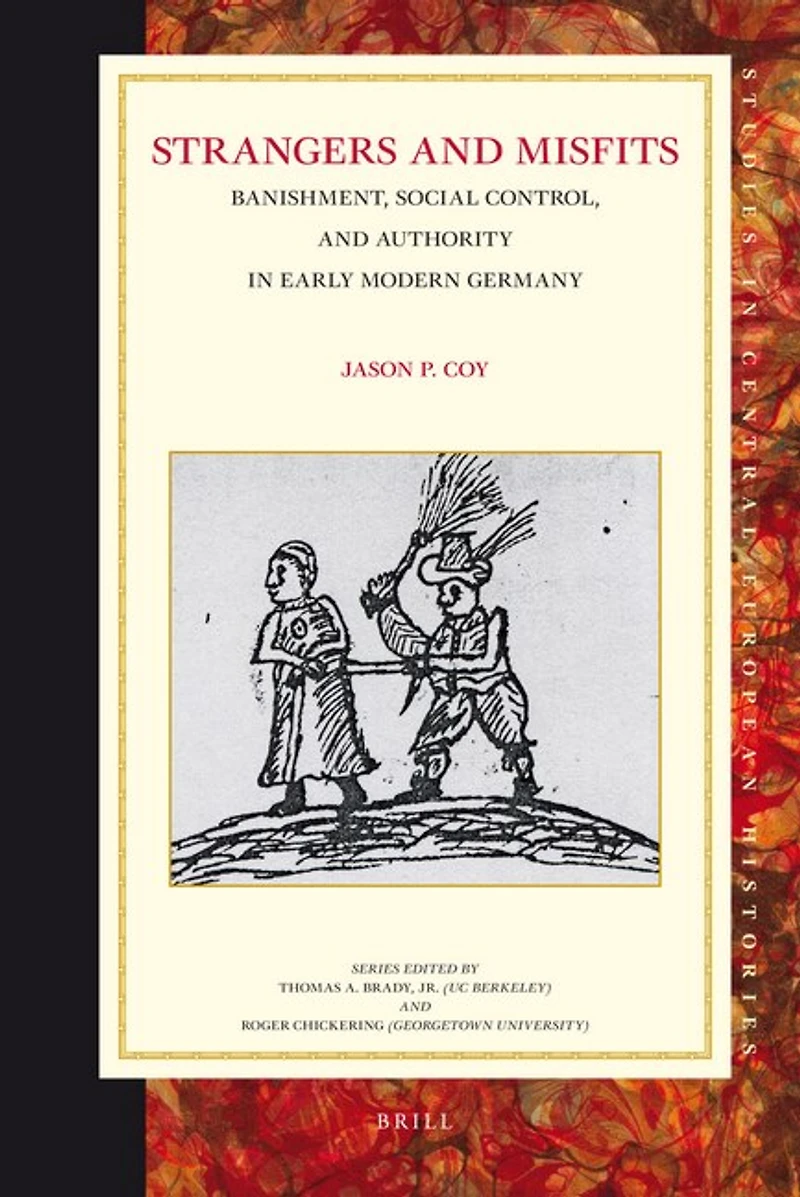
Strangers and Misfits: Banishment, Social Control, and Authority in Early Modern Germany
Current price: $185.99

Strangers and Misfits: Banishment, Social Control, and Authority in Early Modern Germany
Current price: $185.99
Loading Inventory...
Size: Hardcover
*Product information may vary - to confirm product availability, pricing, shipping and return information please contact Indigo
Banishment was crucial to law enforcement in early modern Europe, as magistrates used expulsion to punish and control thousands of offenders convicted of crimes ranging from adultery to theft. While early modern social control has attracted considerable scholarly attention in recent decades, banishment has been largely neglected. This book examines the role of banishment in sixteenth-century Ulm, an important south German city-state, using the town’s experience to uncover how early modern magistrates used expulsion to regulate and reorder society. This investigation sheds new light on the application of authority, the intersection between official disciplinary efforts and customary behavioral norms, and the function of public expulsion in displaying and defending social hierarchies, issues central to our historical understanding of the period.
Banishment was crucial to law enforcement in early modern Europe, as magistrates used expulsion to punish and control thousands of offenders convicted of crimes ranging from adultery to theft. While early modern social control has attracted considerable scholarly attention in recent decades, banishment has been largely neglected. This book examines the role of banishment in sixteenth-century Ulm, an important south German city-state, using the town’s experience to uncover how early modern magistrates used expulsion to regulate and reorder society. This investigation sheds new light on the application of authority, the intersection between official disciplinary efforts and customary behavioral norms, and the function of public expulsion in displaying and defending social hierarchies, issues central to our historical understanding of the period.
You May Also Like









More About Indigo at Erin Mills Town Centre
The largest book retailer in Canada also offers toys, music, home décor, gifts and lifestyle products. What's Inside...Books, Magazines, CD’s and DVD’s, Toys and Gifts, Home Accents, Electronics, Baby’s and Children’s Section, Bath and Body, Kitchen and Bedroom, Stationary Located outside in the exterior plaza.
5015 Glen Erin Dr, Mississauga, ON L5M 0R7, Canada
Find Indigo at Erin Mills Town Centre in Mississauga ON
Visit Indigo at Erin Mills Town Centre in Mississauga ON