

GIVE THE PERFECT GIFT
Erin Mills Town Centre Gift Cards are the perfect choice for your gift giving needs.Purchase gift cards at kiosks near the food court or centre court, at Guest Services, or click below to purchase online.PURCHASE HEREHome
Strategic Airpower Elements in Interwar German Air Force Doctrine
Indigo
Loading Inventory...
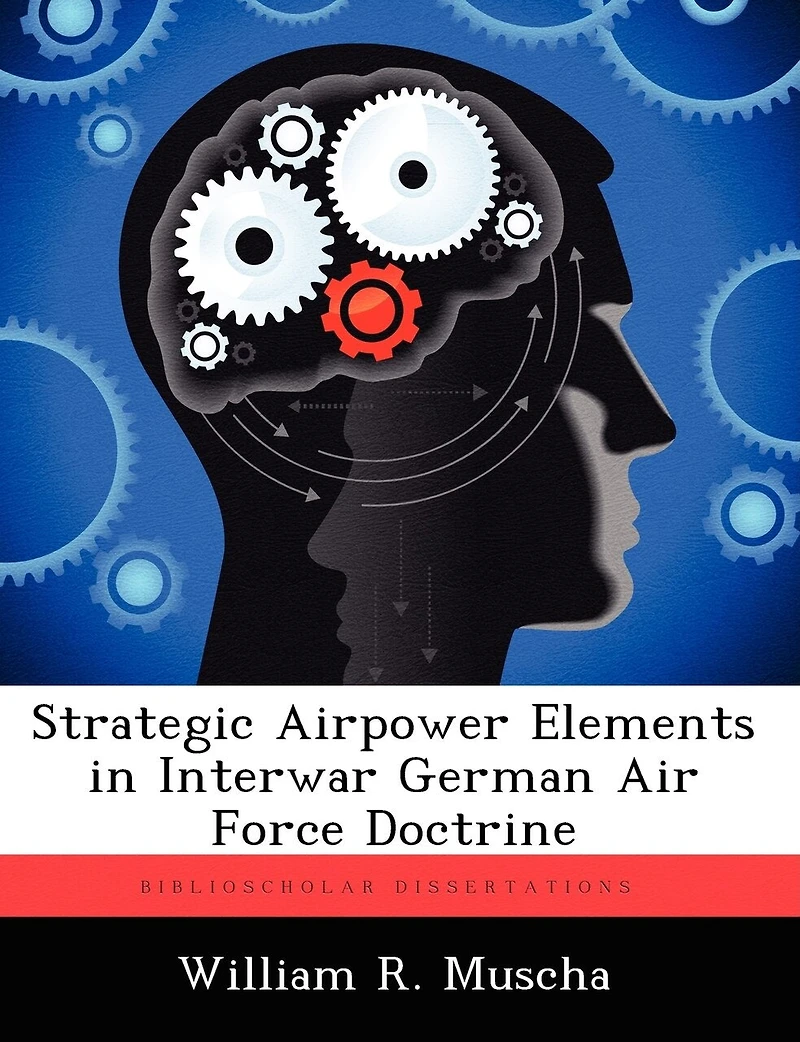
Strategic Airpower Elements in Interwar German Air Force Doctrine
Current price: $59.00

Strategic Airpower Elements in Interwar German Air Force Doctrine
Current price: $59.00
Loading Inventory...
Size: Paperback
*Product information may vary - to confirm product availability, pricing, shipping and return information please contact Indigo
Germany reestablished its air force during the last half of the interwar period of 1919 to 1939, a period in which airpower theorists attempted to merge the new technology of aviation with traditional roles of the military. The Royal Air Force adopted the offensive use of airpower to attack enemy sources power as its primary mission and focused on defeating the enemy nation. Great Britain's national strategic situation, its lessons from World War I, and its air leadership all contributed toward this adoption. The German situation was different. Its lessons from World War I, its traditional views on the roles of its army, its strategic situation, and its fragmented air leadership contributed toward its adoption of an air doctrine that focused on defeating enemy military forces, not enemy sources of power. The Treaty of Versailles also restricted the size of its military and the kinds of aircraft it could build, affecting its air force's mission. This thesis addresses the development of a new technology and its adoption as either a doctrinal evolution or revolution. It also addresses the question of why one nation might see more value in strategic air doctrine rather than a doctrine focused on the enemy's military.
Germany reestablished its air force during the last half of the interwar period of 1919 to 1939, a period in which airpower theorists attempted to merge the new technology of aviation with traditional roles of the military. The Royal Air Force adopted the offensive use of airpower to attack enemy sources power as its primary mission and focused on defeating the enemy nation. Great Britain's national strategic situation, its lessons from World War I, and its air leadership all contributed toward this adoption. The German situation was different. Its lessons from World War I, its traditional views on the roles of its army, its strategic situation, and its fragmented air leadership contributed toward its adoption of an air doctrine that focused on defeating enemy military forces, not enemy sources of power. The Treaty of Versailles also restricted the size of its military and the kinds of aircraft it could build, affecting its air force's mission. This thesis addresses the development of a new technology and its adoption as either a doctrinal evolution or revolution. It also addresses the question of why one nation might see more value in strategic air doctrine rather than a doctrine focused on the enemy's military.
You May Also Like








More About Indigo at Erin Mills Town Centre
The largest book retailer in Canada also offers toys, music, home décor, gifts and lifestyle products. What's Inside...Books, Magazines, CD’s and DVD’s, Toys and Gifts, Home Accents, Electronics, Baby’s and Children’s Section, Bath and Body, Kitchen and Bedroom, Stationary Located outside in the exterior plaza.
5015 Glen Erin Dr, Mississauga, ON L5M 0R7, Canada
Find Indigo at Erin Mills Town Centre in Mississauga ON
Visit Indigo at Erin Mills Town Centre in Mississauga ON