

GIVE THE PERFECT GIFT
Erin Mills Town Centre Gift Cards are the perfect choice for your gift giving needs.Purchase gift cards at kiosks near the food court or centre court, at Guest Services, or click below to purchase online.PURCHASE HEREHome
Strategies for Responding to Catastrophe: Examples from Deuterocanonical and Cognate Literature
Indigo
Loading Inventory...
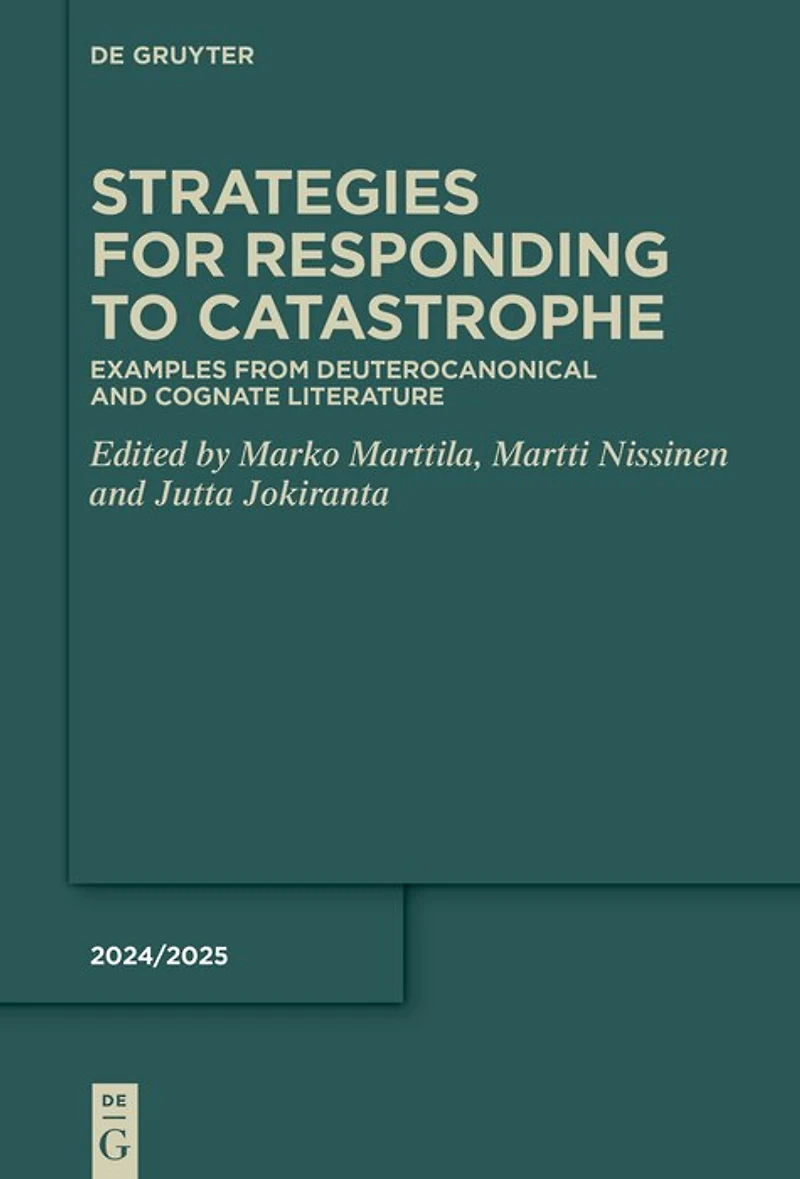
Strategies for Responding to Catastrophe: Examples from Deuterocanonical and Cognate Literature
Current price: $165.99

Strategies for Responding to Catastrophe: Examples from Deuterocanonical and Cognate Literature
Current price: $165.99
Loading Inventory...
Size: Hardcover
*Product information may vary - to confirm product availability, pricing, shipping and return information please contact Indigo
Experts of deuterocanonical and cognate literature shed light on how an individual or a group understood catastrophes in the late Second Temple Judaism. The essays in this volume carefully study questions like: What kind of acts lead to a catastrophe? Is there a chance to avoid a catastrophe? How to respond to a catastrophic situation? Ancient thinkers had strategies for survival and adapting to new situations. The contributors here select and analyze relevant passages covering the main works of the era from Ben Sira to the Book of Judith, from the Book of Tobit to early rabbinic liturgy. They focus on cognitive, psychological, social and ritual mechanisms that helped the ancient authors and their audiences cope with calamities. Disasters do not belong only to the past. Even in the present times people feel themselves weak and vulnerable in front of threatening catastrophes. The strategies developed by the ancient people can offer us insights to topics such as hope and solidarity.
Experts of deuterocanonical and cognate literature shed light on how an individual or a group understood catastrophes in the late Second Temple Judaism. The essays in this volume carefully study questions like: What kind of acts lead to a catastrophe? Is there a chance to avoid a catastrophe? How to respond to a catastrophic situation? Ancient thinkers had strategies for survival and adapting to new situations. The contributors here select and analyze relevant passages covering the main works of the era from Ben Sira to the Book of Judith, from the Book of Tobit to early rabbinic liturgy. They focus on cognitive, psychological, social and ritual mechanisms that helped the ancient authors and their audiences cope with calamities. Disasters do not belong only to the past. Even in the present times people feel themselves weak and vulnerable in front of threatening catastrophes. The strategies developed by the ancient people can offer us insights to topics such as hope and solidarity.
You May Also Like











More About Indigo at Erin Mills Town Centre
The largest book retailer in Canada also offers toys, music, home décor, gifts and lifestyle products. What's Inside...Books, Magazines, CD’s and DVD’s, Toys and Gifts, Home Accents, Electronics, Baby’s and Children’s Section, Bath and Body, Kitchen and Bedroom, Stationary Located outside in the exterior plaza.
5015 Glen Erin Dr, Mississauga, ON L5M 0R7, Canada
Find Indigo at Erin Mills Town Centre in Mississauga ON
Visit Indigo at Erin Mills Town Centre in Mississauga ON