

GIVE THE PERFECT GIFT
Erin Mills Town Centre Gift Cards are the perfect choice for your gift giving needs.Purchase gift cards at kiosks near the food court or centre court, at Guest Services, or click below to purchase online.PURCHASE HEREHome
Structure-Function Relations of Warm Desert Plants
Indigo
Loading Inventory...
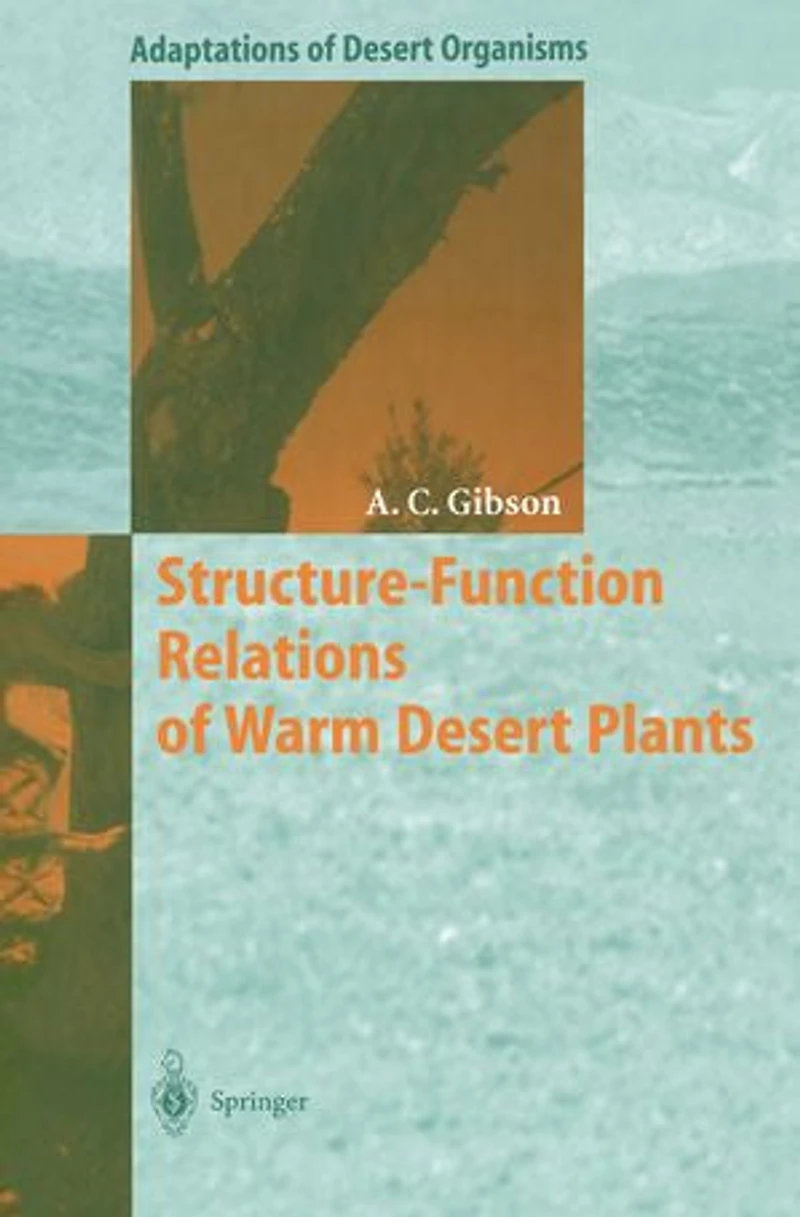
Structure-Function Relations of Warm Desert Plants
Current price: $128.99
Original price: $161.25

Structure-Function Relations of Warm Desert Plants
Current price: $128.99
Original price: $161.25
Loading Inventory...
Size: Kobo eBook
*Product information may vary - to confirm product availability, pricing, shipping and return information please contact Indigo
For centuries biologists have been extremely interested in the structure of desert plants as examples of natural selection to harsh environmental conditions. Indeed, desert plants are frequently used as examples in many biology classes and textbooks to illustrate natural selection, but this has led to an unfortunate litany of errors and misconceptions about desert plant adaptations.
This new synthesis focuses on plants of lowland tropical and subtropical arid deserts. Readers will be surprised to discover that many features commonly ascribed to desert plants are rareley observed in the most common species. Instead, the typical structural adaptations of nonsucculent warm desert plants are now viewed as ways to maximize photosynthetic rate.
For centuries biologists have been extremely interested in the structure of desert plants as examples of natural selection to harsh environmental conditions. Indeed, desert plants are frequently used as examples in many biology classes and textbooks to illustrate natural selection, but this has led to an unfortunate litany of errors and misconceptions about desert plant adaptations.
This new synthesis focuses on plants of lowland tropical and subtropical arid deserts. Readers will be surprised to discover that many features commonly ascribed to desert plants are rareley observed in the most common species. Instead, the typical structural adaptations of nonsucculent warm desert plants are now viewed as ways to maximize photosynthetic rate.
You May Also Like












More About Indigo at Erin Mills Town Centre
The largest book retailer in Canada also offers toys, music, home décor, gifts and lifestyle products. What's Inside...Books, Magazines, CD’s and DVD’s, Toys and Gifts, Home Accents, Electronics, Baby’s and Children’s Section, Bath and Body, Kitchen and Bedroom, Stationary Located outside in the exterior plaza.
5015 Glen Erin Dr, Mississauga, ON L5M 0R7, Canada
Find Indigo at Erin Mills Town Centre in Mississauga ON
Visit Indigo at Erin Mills Town Centre in Mississauga ON