

GIVE THE PERFECT GIFT
Erin Mills Town Centre Gift Cards are the perfect choice for your gift giving needs.Purchase gift cards at kiosks near the food court or centre court, at Guest Services, or click below to purchase online.PURCHASE HEREHome
Subgroups of Borderline Personality Disorder
Indigo
Loading Inventory...
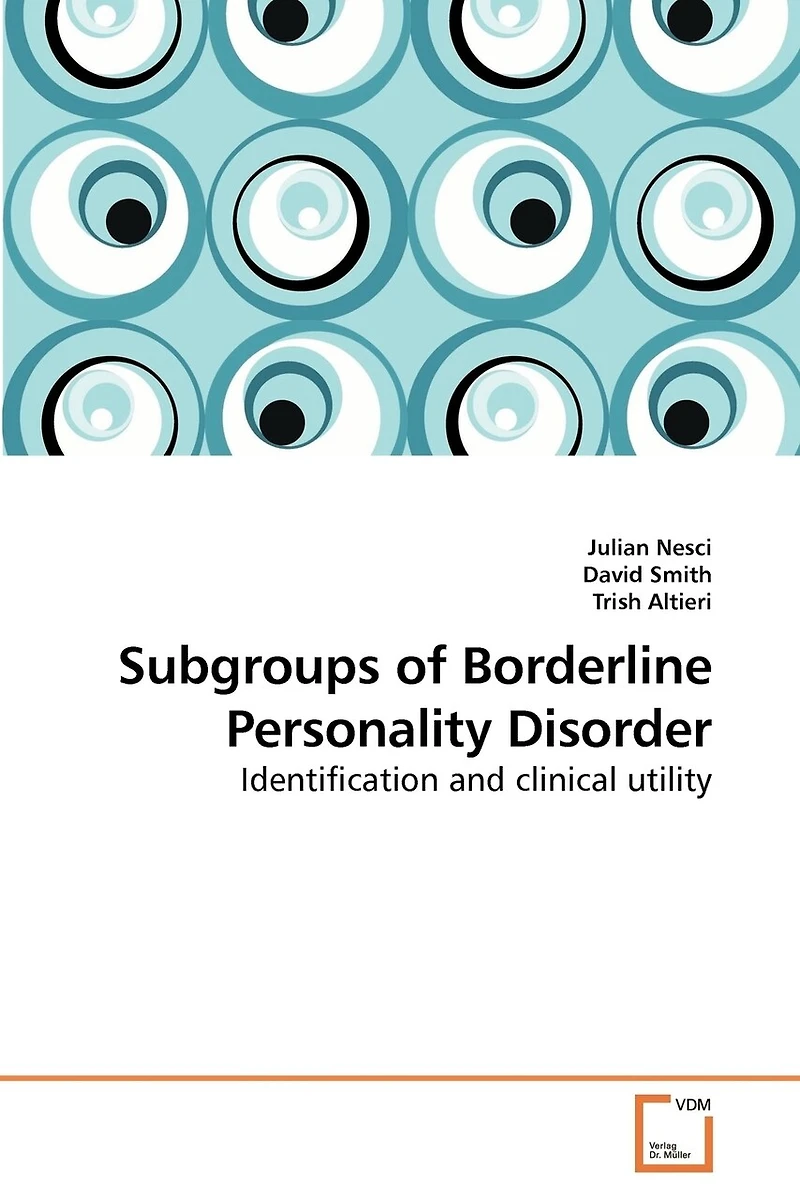
Subgroups of Borderline Personality Disorder
Current price: $82.95

Subgroups of Borderline Personality Disorder
Current price: $82.95
Loading Inventory...
Size: Paperback
*Product information may vary - to confirm product availability, pricing, shipping and return information please contact Indigo
Borderline personality disorder (BPD) is a complex condition whose severity is compounded by the heterogeneous psychological functioning of those who suffer from the disorder. These differences have made the identification of a unified treatment difficult. Attempts have been made to reduce the effect of this variation within the disorder by investigating subtypes of BPD. However, the clinical utility of this approach has not been examined. This book investigates the presence of subgroups of BPD and examines whether treatment effectiveness varies as a function of subtype. Using variables that are central to cognitive behavioural models of BPD, subgroups are identified and defined on the basis of whether participants attribute the causes of negative events as being themselves or other people. The findings of this research suggest that not only can theoretically valid subgroups of BPD be identified, but that these subgroups have clinical utility in understanding sufferers' responses to intervention. These analyses should be useful to both researchers and professionals seeking to better understand the complex nature of the borderline personality diagnosis.
Borderline personality disorder (BPD) is a complex condition whose severity is compounded by the heterogeneous psychological functioning of those who suffer from the disorder. These differences have made the identification of a unified treatment difficult. Attempts have been made to reduce the effect of this variation within the disorder by investigating subtypes of BPD. However, the clinical utility of this approach has not been examined. This book investigates the presence of subgroups of BPD and examines whether treatment effectiveness varies as a function of subtype. Using variables that are central to cognitive behavioural models of BPD, subgroups are identified and defined on the basis of whether participants attribute the causes of negative events as being themselves or other people. The findings of this research suggest that not only can theoretically valid subgroups of BPD be identified, but that these subgroups have clinical utility in understanding sufferers' responses to intervention. These analyses should be useful to both researchers and professionals seeking to better understand the complex nature of the borderline personality diagnosis.
You May Also Like









More About Indigo at Erin Mills Town Centre
The largest book retailer in Canada also offers toys, music, home décor, gifts and lifestyle products. What's Inside...Books, Magazines, CD’s and DVD’s, Toys and Gifts, Home Accents, Electronics, Baby’s and Children’s Section, Bath and Body, Kitchen and Bedroom, Stationary Located outside in the exterior plaza.
5015 Glen Erin Dr, Mississauga, ON L5M 0R7, Canada
Find Indigo at Erin Mills Town Centre in Mississauga ON
Visit Indigo at Erin Mills Town Centre in Mississauga ON