

GIVE THE PERFECT GIFT
Erin Mills Town Centre Gift Cards are the perfect choice for your gift giving needs.Purchase gift cards at kiosks near the food court or centre court, at Guest Services, or click below to purchase online.PURCHASE HEREHome
Sulla: Politics and Reception
Indigo
Loading Inventory...
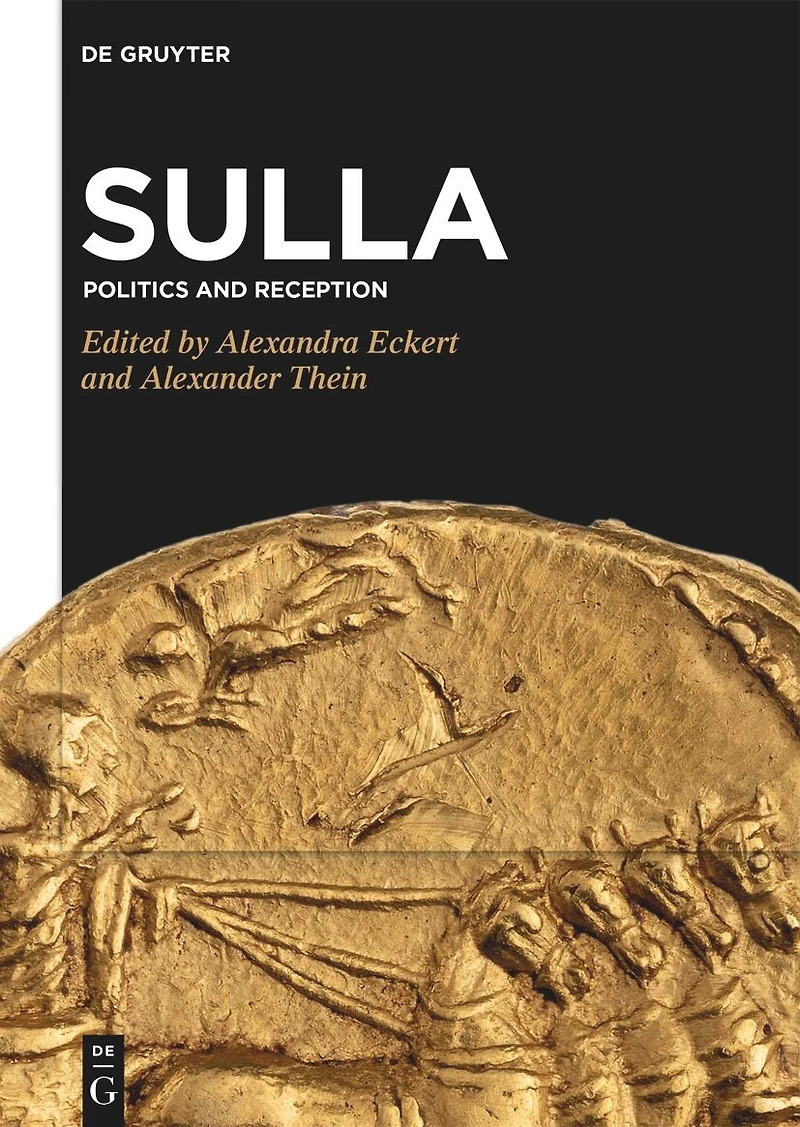
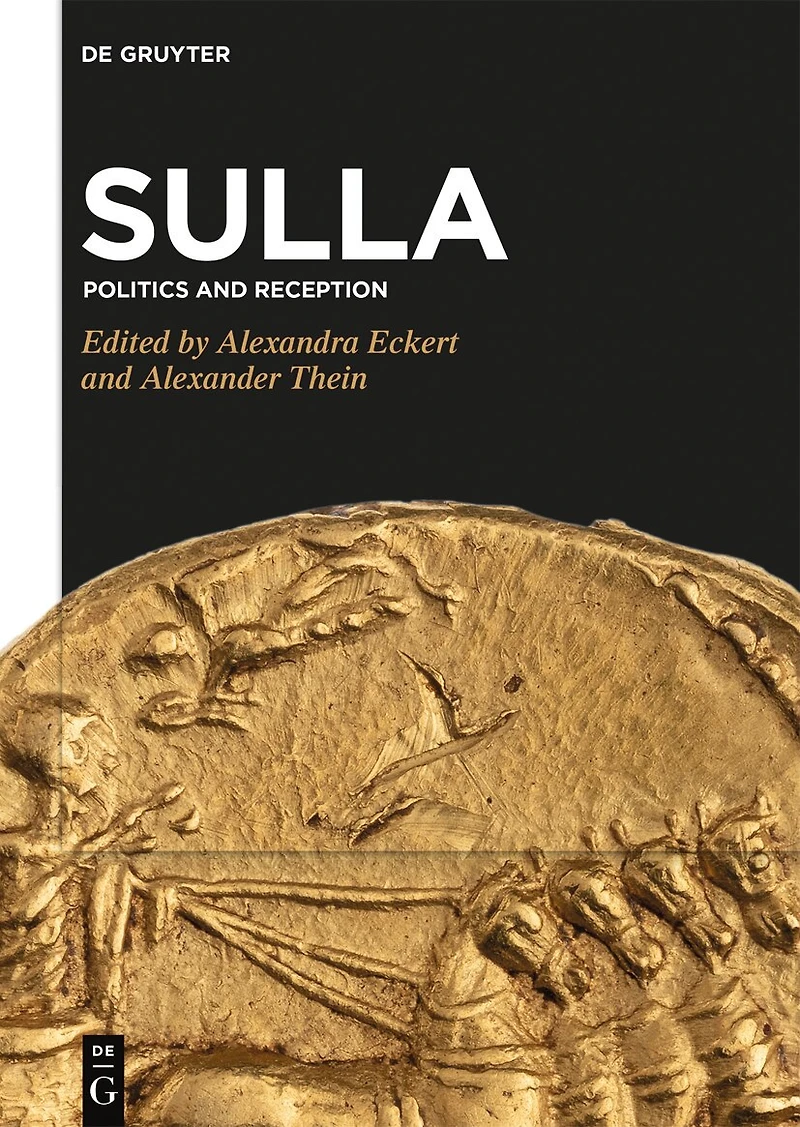
Sulla: Politics and Reception
Current price: $156.58

Sulla: Politics and Reception
Current price: $156.58
Loading Inventory...
Size: Hardcover
*Product information may vary - to confirm product availability, pricing, shipping and return information please contact Indigo
This book brings together an international group of scholars to offer new perspectives on the political impact and afterlife of the dictator Lucius Cornelius Sulla Felix (138–78 B.C.), one of the most important figures in the complex history of the last century of the Roman Republic. It looks beyond the march on Rome, the violence of the proscriptions, or the logic of his political reforms, and offers case studies to illustrate his relations with the Roman populace, the subject peoples of the Greek East, and his own supporters, both veterans and elites, highlighting his long-term political impact and, at times, the limits on his exercise of power. The chapters on reception reassess the good/bad dichotomy of Sulla as tyrant and reformer, focusing on Cicero, while also examining his importance for Sallust, and his characterisation as the antithesis of philhellenism in Greek writers of the Imperial period. Sulla was not straightforward, either as a historical figure or exemplum, and the case studies in this book use the twin approach of politics and reception to offer new readings of Sulla’s aims and impact, both at home and abroad, and why he remained of interest to authors from Sallust to Plutarch and Aelian.
This book brings together an international group of scholars to offer new perspectives on the political impact and afterlife of the dictator Lucius Cornelius Sulla Felix (138–78 B.C.), one of the most important figures in the complex history of the last century of the Roman Republic. It looks beyond the march on Rome, the violence of the proscriptions, or the logic of his political reforms, and offers case studies to illustrate his relations with the Roman populace, the subject peoples of the Greek East, and his own supporters, both veterans and elites, highlighting his long-term political impact and, at times, the limits on his exercise of power. The chapters on reception reassess the good/bad dichotomy of Sulla as tyrant and reformer, focusing on Cicero, while also examining his importance for Sallust, and his characterisation as the antithesis of philhellenism in Greek writers of the Imperial period. Sulla was not straightforward, either as a historical figure or exemplum, and the case studies in this book use the twin approach of politics and reception to offer new readings of Sulla’s aims and impact, both at home and abroad, and why he remained of interest to authors from Sallust to Plutarch and Aelian.
You May Also Like









More About Indigo at Erin Mills Town Centre
The largest book retailer in Canada also offers toys, music, home décor, gifts and lifestyle products. What's Inside...Books, Magazines, CD’s and DVD’s, Toys and Gifts, Home Accents, Electronics, Baby’s and Children’s Section, Bath and Body, Kitchen and Bedroom, Stationary Located outside in the exterior plaza.
5015 Glen Erin Dr, Mississauga, ON L5M 0R7, Canada
Find Indigo at Erin Mills Town Centre in Mississauga ON
Visit Indigo at Erin Mills Town Centre in Mississauga ON