

GIVE THE PERFECT GIFT
Erin Mills Town Centre Gift Cards are the perfect choice for your gift giving needs.Purchase gift cards at kiosks near the food court or centre court, at Guest Services, or click below to purchase online.PURCHASE HEREHome
Supply Chain Simulation: A System Dynamics Approach for Improving Performance
Indigo
Loading Inventory...
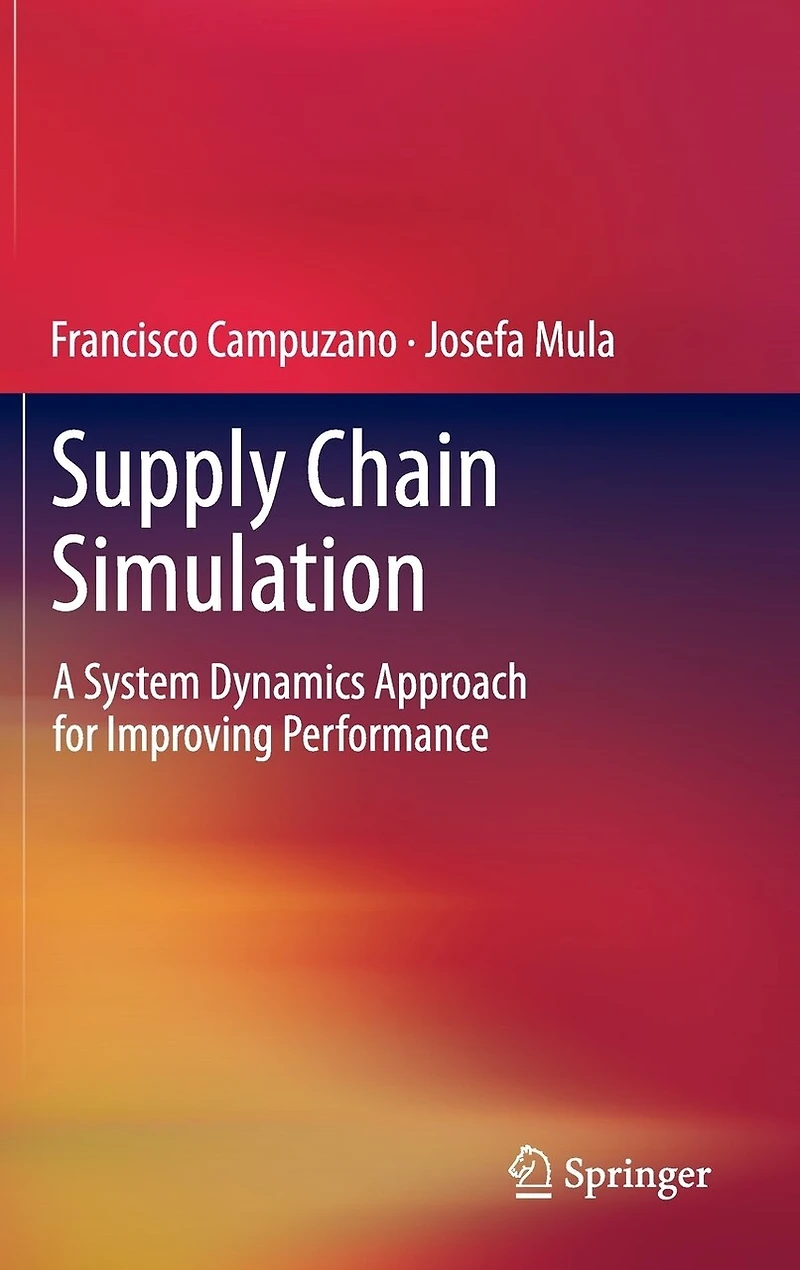
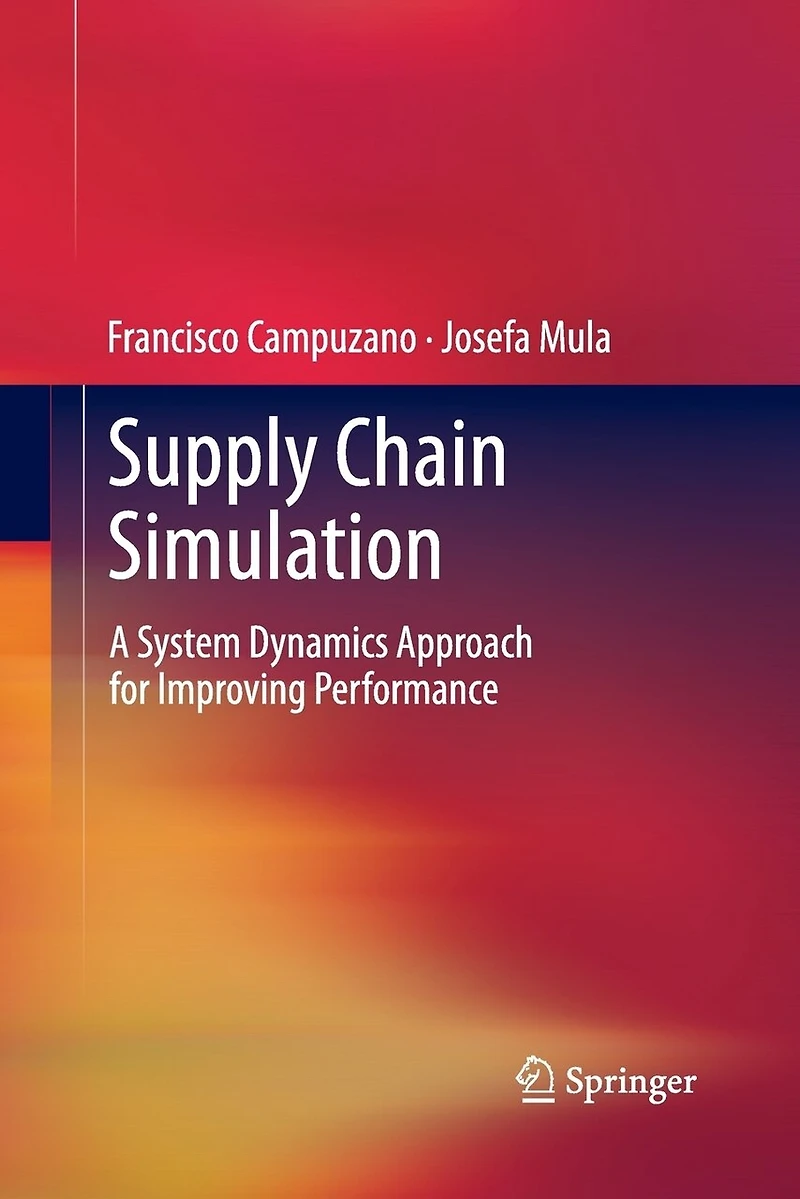
Supply Chain Simulation: A System Dynamics Approach for Improving Performance
Current price: $160.95

Supply Chain Simulation: A System Dynamics Approach for Improving Performance
Current price: $160.95
Loading Inventory...
Size: Hardcover
*Product information may vary - to confirm product availability, pricing, shipping and return information please contact Indigo
Supply Chain Simulation allows readers to practice modeling and simulating a multi-level supply chain. The chapters are a combination of the practical and the theoretical, covering:
knowledge of simulation methods and techniques,
the conceptual framework of a typical supply chain,
the main concepts of system dynamics, and
a set of practice problems with their corresponding solutions.
The problem set includes illustrations and graphs relating to the simulation results of the Vensim® program, the main code of which is also provided. The examples used are a valuable simulation tool that can be modified and extended according to user requirements. The objective of Supply Chain Simulation is to meet the demands of supply chain simulation or similar courses taught at the postgraduate level. The “what if” analysis recreates different simulation scenarios to improve the decision-making process in terms of supply chain performance, making the book useful not only for postgraduate students, but also for industrial practitioners.
Supply Chain Simulation allows readers to practice modeling and simulating a multi-level supply chain. The chapters are a combination of the practical and the theoretical, covering:
knowledge of simulation methods and techniques,
the conceptual framework of a typical supply chain,
the main concepts of system dynamics, and
a set of practice problems with their corresponding solutions.
The problem set includes illustrations and graphs relating to the simulation results of the Vensim® program, the main code of which is also provided. The examples used are a valuable simulation tool that can be modified and extended according to user requirements. The objective of Supply Chain Simulation is to meet the demands of supply chain simulation or similar courses taught at the postgraduate level. The “what if” analysis recreates different simulation scenarios to improve the decision-making process in terms of supply chain performance, making the book useful not only for postgraduate students, but also for industrial practitioners.
You May Also Like








More About Indigo at Erin Mills Town Centre
The largest book retailer in Canada also offers toys, music, home décor, gifts and lifestyle products. What's Inside...Books, Magazines, CD’s and DVD’s, Toys and Gifts, Home Accents, Electronics, Baby’s and Children’s Section, Bath and Body, Kitchen and Bedroom, Stationary Located outside in the exterior plaza.
5015 Glen Erin Dr, Mississauga, ON L5M 0R7, Canada
Find Indigo at Erin Mills Town Centre in Mississauga ON
Visit Indigo at Erin Mills Town Centre in Mississauga ON