

GIVE THE PERFECT GIFT
Erin Mills Town Centre Gift Cards are the perfect choice for your gift giving needs.Purchase gift cards at kiosks near the food court or centre court, at Guest Services, or click below to purchase online.PURCHASE HEREHome
Sustainable Bioeconomy: Pathways To Sustainable Development Goals
Indigo
Loading Inventory...
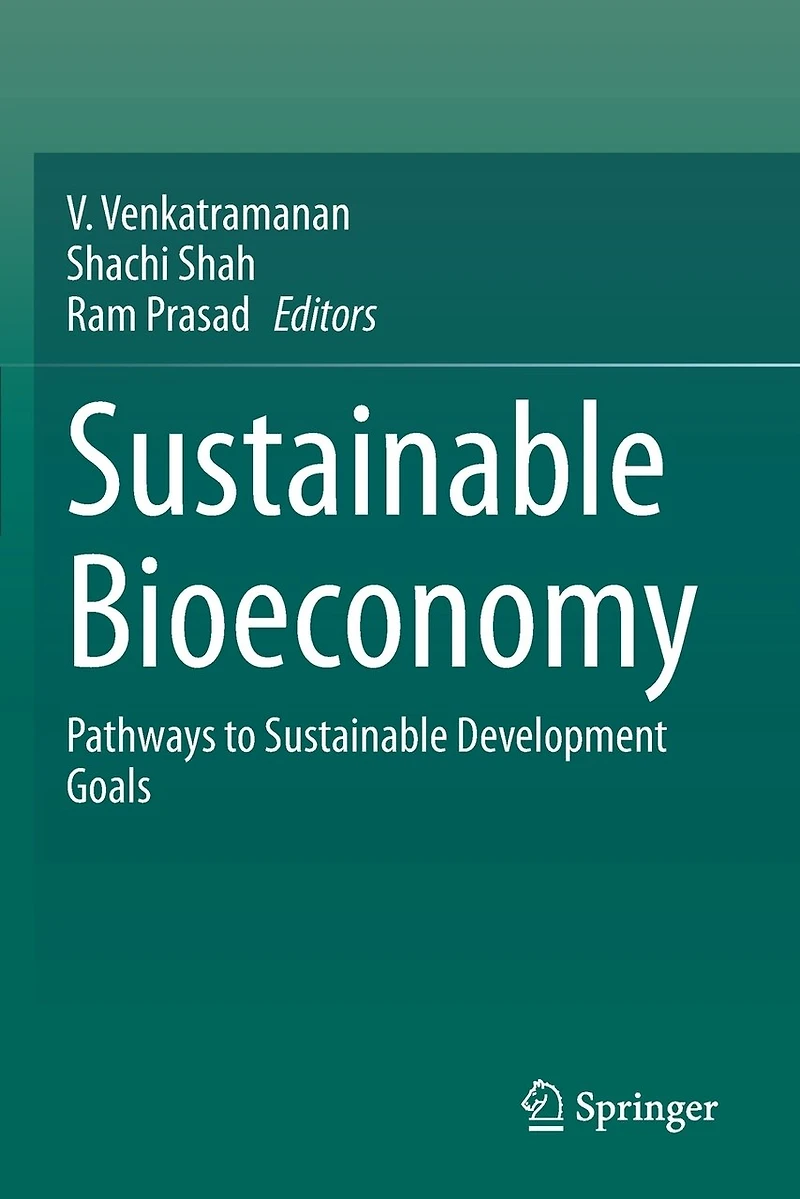
Sustainable Bioeconomy: Pathways To Sustainable Development Goals
Current price: $160.95

Sustainable Bioeconomy: Pathways To Sustainable Development Goals
Current price: $160.95
Loading Inventory...
Size: Paperback
*Product information may vary - to confirm product availability, pricing, shipping and return information please contact Indigo
Sustainable development is the most important challenge facing humanity in the 21 st century. The global economic growth in the recent past has indeed exhibited marked progress in many countries. Nevertheless, the issues of income disparity, poverty, gender gaps, and malnutrition are not uncommon in the global landscape, in spite of the upward growth of the economy and technological advances. This grim picture is further exacerbated by our growing human population, unmindful resource use, ever-increasing consumption trends, and changing climate. In order to protect humanity and preserve the planet, the United Nations issued the "2030 agenda for sustainable development," which includes but is not limited to sustainable production and consumption practices, e.g. in a sustainable bioeconomy. The hallmark of the sustainable bioeconomy is a paradigm shift from a fossil-fuel-based economy to a biological-based one, which is driven by the virtues of sustainability, efficient utilization of resources, and "circular economy." As the sustainable bioeconomy is based on the efficient utilization of biological resources and societal transformations, it holds the immense potential to achieve the UN's Sustainable Development Goals. This book shares valuable insights into the linkages between the sustainable bioeconomy and Sustainable Development Goals, making it an essential read for policymakers, researchers and students of environmental studies.
Sustainable development is the most important challenge facing humanity in the 21 st century. The global economic growth in the recent past has indeed exhibited marked progress in many countries. Nevertheless, the issues of income disparity, poverty, gender gaps, and malnutrition are not uncommon in the global landscape, in spite of the upward growth of the economy and technological advances. This grim picture is further exacerbated by our growing human population, unmindful resource use, ever-increasing consumption trends, and changing climate. In order to protect humanity and preserve the planet, the United Nations issued the "2030 agenda for sustainable development," which includes but is not limited to sustainable production and consumption practices, e.g. in a sustainable bioeconomy. The hallmark of the sustainable bioeconomy is a paradigm shift from a fossil-fuel-based economy to a biological-based one, which is driven by the virtues of sustainability, efficient utilization of resources, and "circular economy." As the sustainable bioeconomy is based on the efficient utilization of biological resources and societal transformations, it holds the immense potential to achieve the UN's Sustainable Development Goals. This book shares valuable insights into the linkages between the sustainable bioeconomy and Sustainable Development Goals, making it an essential read for policymakers, researchers and students of environmental studies.
You May Also Like







More About Indigo at Erin Mills Town Centre
The largest book retailer in Canada also offers toys, music, home décor, gifts and lifestyle products. What's Inside...Books, Magazines, CD’s and DVD’s, Toys and Gifts, Home Accents, Electronics, Baby’s and Children’s Section, Bath and Body, Kitchen and Bedroom, Stationary Located outside in the exterior plaza.
5015 Glen Erin Dr, Mississauga, ON L5M 0R7, Canada
Find Indigo at Erin Mills Town Centre in Mississauga ON
Visit Indigo at Erin Mills Town Centre in Mississauga ON