

GIVE THE PERFECT GIFT
Erin Mills Town Centre Gift Cards are the perfect choice for your gift giving needs.Purchase gift cards at kiosks near the food court or centre court, at Guest Services, or click below to purchase online.PURCHASE HEREHome
Swamp Rice Farming: The Indigenous Pahang Malay Agricultural System
Indigo
Loading Inventory...
Swamp Rice Farming: The Indigenous Pahang Malay Agricultural System
Current price: $71.92

Swamp Rice Farming: The Indigenous Pahang Malay Agricultural System
Current price: $71.92
Loading Inventory...
Size: Kobo eBook
*Product information may vary - to confirm product availability, pricing, shipping and return information please contact Indigo
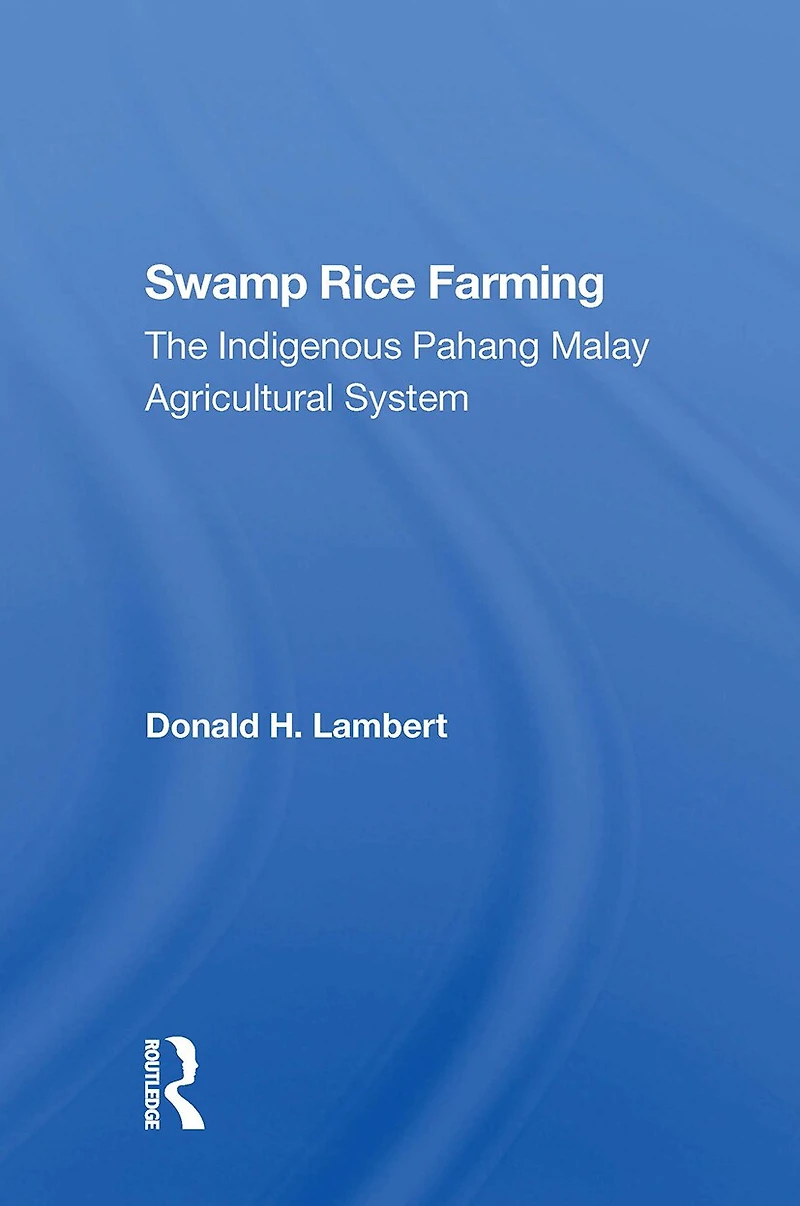
This first detailed ethnographic account of the Pahang Malay people of peninsular Malaysia focuses on the society's traditional agricultural system, particularly on its specialization in the production of rice on largely unmodified natural swampland. Dr. Lambert discusses the historical development of Pahang Malay rice farming, its dependence on indigenous knowledge of local ecology, and its adaptability to adverse conditions. Farmers experimenting with cultivars, adapting new technologies to local conditions, and using their own seed selection skills have over several decades substantially improved their rice yields. Dr. Lambert suggests that well-adapted indigenous farming systems found throughout the world should be studied and the adoption of these successful agricultural practices should be encouraged by governments and development planners.
This first detailed ethnographic account of the Pahang Malay people of peninsular Malaysia focuses on the society's traditional agricultural system, particularly on its specialization in the production of rice on largely unmodified natural swampland. Dr. Lambert discusses the historical development of Pahang Malay rice farming, its dependence on indigenous knowledge of local ecology, and its adaptability to adverse conditions. Farmers experimenting with cultivars, adapting new technologies to local conditions, and using their own seed selection skills have over several decades substantially improved their rice yields. Dr. Lambert suggests that well-adapted indigenous farming systems found throughout the world should be studied and the adoption of these successful agricultural practices should be encouraged by governments and development planners.
You May Also Like










More About Indigo at Erin Mills Town Centre
The largest book retailer in Canada also offers toys, music, home décor, gifts and lifestyle products. What's Inside...Books, Magazines, CD’s and DVD’s, Toys and Gifts, Home Accents, Electronics, Baby’s and Children’s Section, Bath and Body, Kitchen and Bedroom, Stationary Located outside in the exterior plaza.
5015 Glen Erin Dr, Mississauga, ON L5M 0R7, Canada
Find Indigo at Erin Mills Town Centre in Mississauga ON
Visit Indigo at Erin Mills Town Centre in Mississauga ON