

GIVE THE PERFECT GIFT
Erin Mills Town Centre Gift Cards are the perfect choice for your gift giving needs.Purchase gift cards at kiosks near the food court or centre court, at Guest Services, or click below to purchase online.PURCHASE HEREHome
Texts Waiting for History: William Shakespeare Re-Imagined by Heiner Müller
Indigo
Loading Inventory...
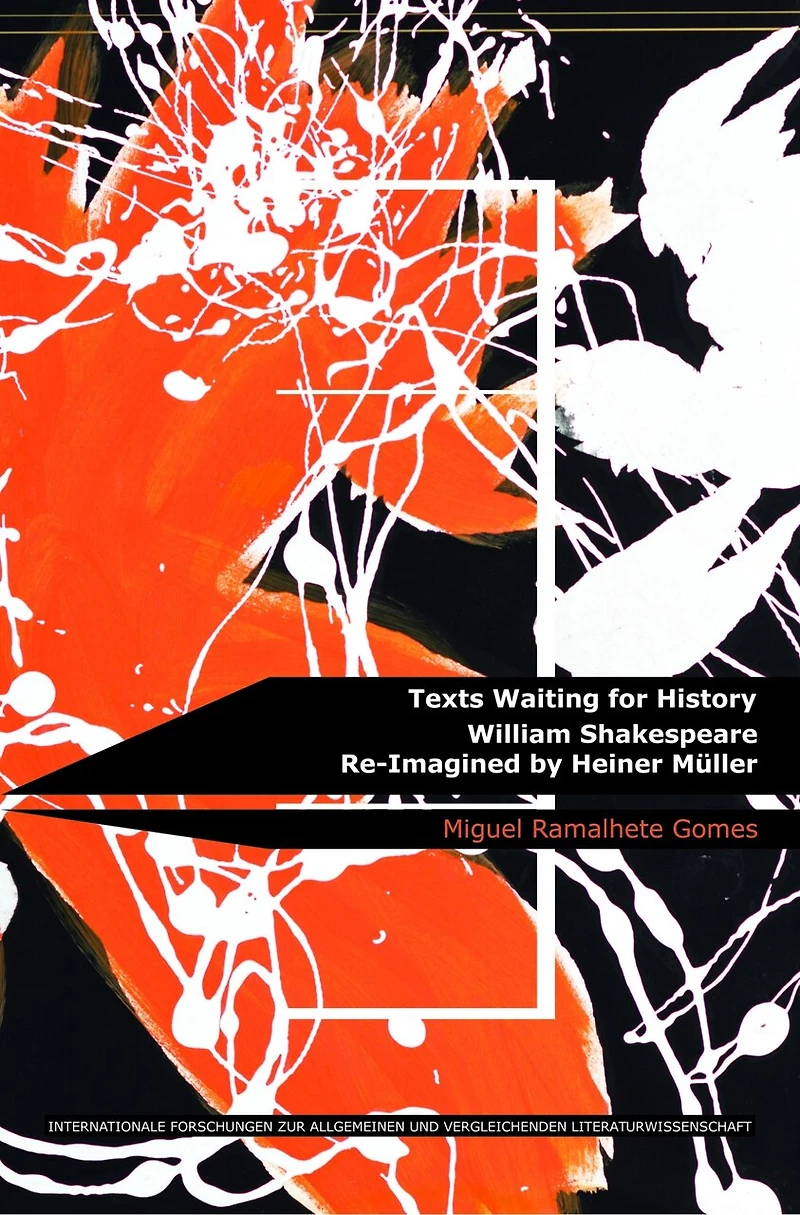
Texts Waiting for History: William Shakespeare Re-Imagined by Heiner Müller
Current price: $144.99

Texts Waiting for History: William Shakespeare Re-Imagined by Heiner Müller
Current price: $144.99
Loading Inventory...
Size: Paperback
*Product information may vary - to confirm product availability, pricing, shipping and return information please contact Indigo
Heiner Müller’s re-imaginings of William Shakespeare have puzzled and fascinated readers and spectators alike for the past forty-five years. For the first time, this study addresses all of Müller’s re-workings of Shakespeare, including dramatic adaptations, translations, poems, references in interviews and in his autobiography, as well as fragments of unfinished projects, not forgetting the strong Shakespearean echoes in Müller’s last play, Germania 3 . An analysis of Müller’s diverse positions regarding different understandings of history and of its catastrophic violence suggests that Shakespeare is at the literary and theoretical core of Müller’s always complex and conflicted relation with philosophy of history and with the notions of heritage, fragmentation and difference.
Heiner Müller’s re-imaginings of William Shakespeare have puzzled and fascinated readers and spectators alike for the past forty-five years. For the first time, this study addresses all of Müller’s re-workings of Shakespeare, including dramatic adaptations, translations, poems, references in interviews and in his autobiography, as well as fragments of unfinished projects, not forgetting the strong Shakespearean echoes in Müller’s last play, Germania 3 . An analysis of Müller’s diverse positions regarding different understandings of history and of its catastrophic violence suggests that Shakespeare is at the literary and theoretical core of Müller’s always complex and conflicted relation with philosophy of history and with the notions of heritage, fragmentation and difference.
You May Also Like














More About Indigo at Erin Mills Town Centre
The largest book retailer in Canada also offers toys, music, home décor, gifts and lifestyle products. What's Inside...Books, Magazines, CD’s and DVD’s, Toys and Gifts, Home Accents, Electronics, Baby’s and Children’s Section, Bath and Body, Kitchen and Bedroom, Stationary Located outside in the exterior plaza.
5015 Glen Erin Dr, Mississauga, ON L5M 0R7, Canada
Find Indigo at Erin Mills Town Centre in Mississauga ON
Visit Indigo at Erin Mills Town Centre in Mississauga ON