

GIVE THE PERFECT GIFT
Erin Mills Town Centre Gift Cards are the perfect choice for your gift giving needs.Purchase gift cards at kiosks near the food court or centre court, at Guest Services, or click below to purchase online.PURCHASE HEREHome
The 1.5 Generation Korean Diaspora: A Comparative Understanding of Identity, Culture, and Transnationalism
Indigo
Loading Inventory...
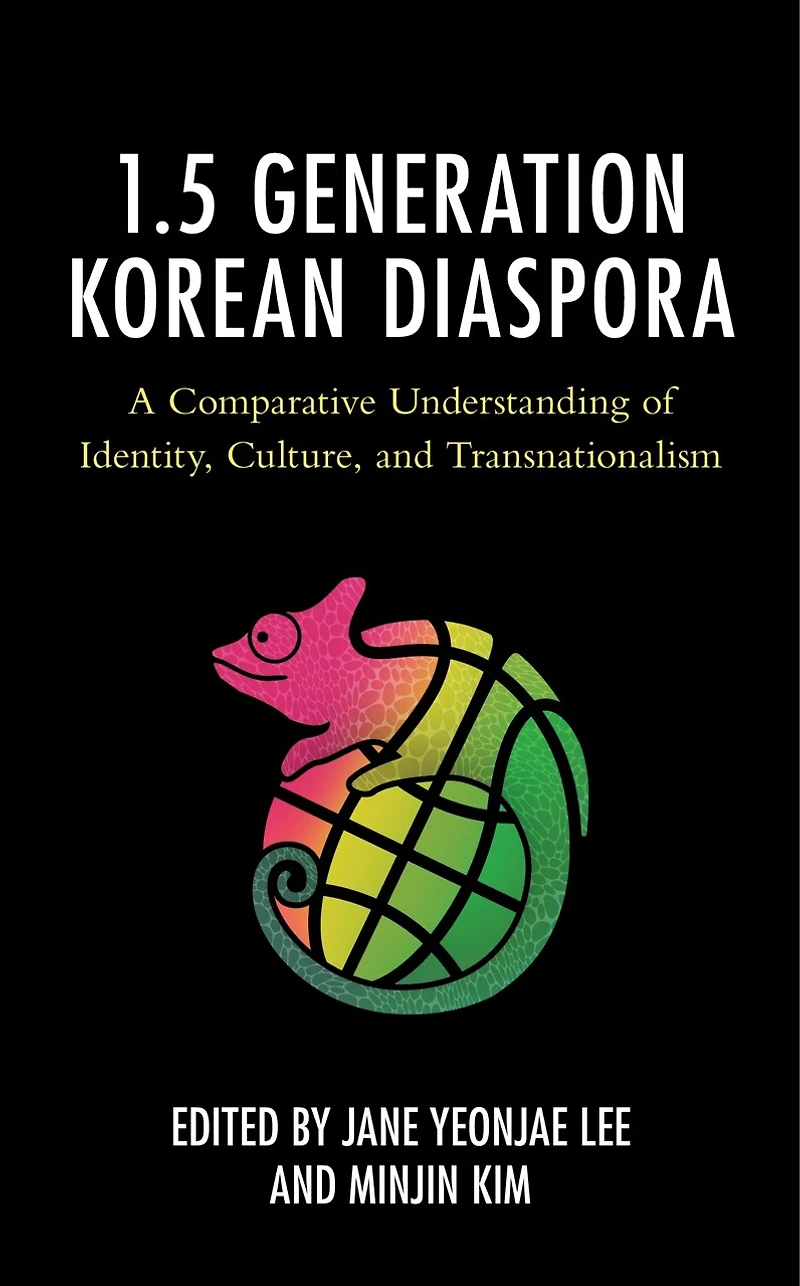
The 1.5 Generation Korean Diaspora: A Comparative Understanding of Identity, Culture, and Transnationalism
Current price: $152.00

The 1.5 Generation Korean Diaspora: A Comparative Understanding of Identity, Culture, and Transnationalism
Current price: $152.00
Loading Inventory...
Size: Hardcover
*Product information may vary - to confirm product availability, pricing, shipping and return information please contact Indigo
The 1.5 Generation Korean Diaspora: A Comparative Understanding of Identity, Culture, and Transnationalism provides insights into the contemporary experiences of 1.5 generation Korean immigrants around the world. By exploring Korean emigrants' lives in host locations such as Los Angeles, Boston, Toronto, Auckland, Argentina, and Deluth, the contributors study the inherent complexities of being a 1.5 generation immigrant and show that 1.5 generation immigrants are a unique group that deserves further study. The contributors analyze key issues, such as the 1.5 generation's identity negotiations, their occupational trajectories, the role of ethnic communities and institutions, changing values of love and marriage, the cultural tension involved in parenthood, their health needs and services, and ethnic and transnational entrepreneurship.
The 1.5 Generation Korean Diaspora: A Comparative Understanding of Identity, Culture, and Transnationalism provides insights into the contemporary experiences of 1.5 generation Korean immigrants around the world. By exploring Korean emigrants' lives in host locations such as Los Angeles, Boston, Toronto, Auckland, Argentina, and Deluth, the contributors study the inherent complexities of being a 1.5 generation immigrant and show that 1.5 generation immigrants are a unique group that deserves further study. The contributors analyze key issues, such as the 1.5 generation's identity negotiations, their occupational trajectories, the role of ethnic communities and institutions, changing values of love and marriage, the cultural tension involved in parenthood, their health needs and services, and ethnic and transnational entrepreneurship.
You May Also Like










More About Indigo at Erin Mills Town Centre
The largest book retailer in Canada also offers toys, music, home décor, gifts and lifestyle products. What's Inside...Books, Magazines, CD’s and DVD’s, Toys and Gifts, Home Accents, Electronics, Baby’s and Children’s Section, Bath and Body, Kitchen and Bedroom, Stationary Located outside in the exterior plaza.
5015 Glen Erin Dr, Mississauga, ON L5M 0R7, Canada
Find Indigo at Erin Mills Town Centre in Mississauga ON
Visit Indigo at Erin Mills Town Centre in Mississauga ON