

GIVE THE PERFECT GIFT
Erin Mills Town Centre Gift Cards are the perfect choice for your gift giving needs.Purchase gift cards at kiosks near the food court or centre court, at Guest Services, or click below to purchase online.PURCHASE HEREHome
The 4 Narratives: Overcoming Self-Destruction in a Postmodern World
Indigo
Loading Inventory...
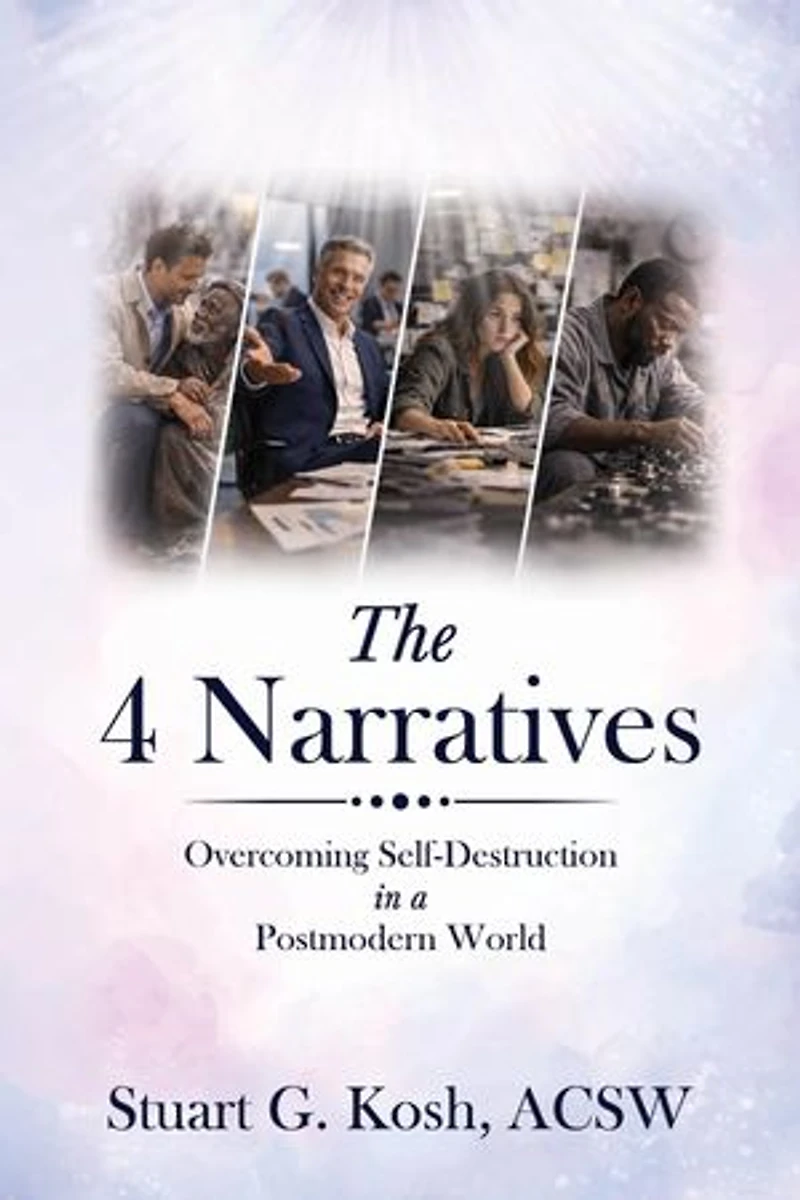
The 4 Narratives: Overcoming Self-Destruction in a Postmodern World
Current price: $9.89
Original price: $11.99

The 4 Narratives: Overcoming Self-Destruction in a Postmodern World
Current price: $9.89
Original price: $11.99
Loading Inventory...
Size: Kobo eBook
*Product information may vary - to confirm product availability, pricing, shipping and return information please contact Indigo
Understanding addiction as a complex interplay of ingrained narratives reveals how self-justification leads to destructive behaviors. Recovery starts with challenging these narratives, fostering healthier identities and relationships through self-awareness and humility.
In The Four Narratives , Stuart Kosh delves into the intricate relationship between addiction and the deeply rooted thought patterns that shape individual identities. Drawing from his own experiences, Kosh emphasizes that addiction transcends mere substance use; it is fundamentally about the narratives people construct to avoid confronting pain and reality. These narratives, which become integral to one's personality, often lead individuals to compromise their values and relationships in pursuit of fleeting relief through various maladaptive behaviors, including substance abuse and compulsive relationships.
Kosh categorizes these narratives into four psychological archetypes, inspired by Émile Durkheim's classifications: the Pseudo Altruist, Infallible Egoist, Self-Sequestered Anomic, and Hopeless Fatalist. Each archetype embodies a distinct rationale for engaging in harmful coping mechanisms. The Pseudo Altruist feels entitled to relief after self-sacrifice, while the Infallible Egoist seeks substances to uphold a façade of superiority. The Self-Sequestered Anomic finds solace in isolation and numbing habits, and the Hopeless Fatalist withdraws entirely from a perceived meaningless existence. These narratives create a cycle where destructive behaviors reinforce the underlying beliefs that fuel addiction.
Kosh argues that true understanding necessitates a critical examination of these narratives and a willingness to challenge ingrained identities. By embracing integrated versions of these archetypes, individuals can retain their strengths while relinquishing the compulsive need for validation and control. Ultimately, The Four Narratives reframes unhealthy coping mechanisms as a maladaptive thought pattern that can be transformed through self-awareness and healthier life narratives.
Understanding addiction as a complex interplay of ingrained narratives reveals how self-justification leads to destructive behaviors. Recovery starts with challenging these narratives, fostering healthier identities and relationships through self-awareness and humility.
In The Four Narratives , Stuart Kosh delves into the intricate relationship between addiction and the deeply rooted thought patterns that shape individual identities. Drawing from his own experiences, Kosh emphasizes that addiction transcends mere substance use; it is fundamentally about the narratives people construct to avoid confronting pain and reality. These narratives, which become integral to one's personality, often lead individuals to compromise their values and relationships in pursuit of fleeting relief through various maladaptive behaviors, including substance abuse and compulsive relationships.
Kosh categorizes these narratives into four psychological archetypes, inspired by Émile Durkheim's classifications: the Pseudo Altruist, Infallible Egoist, Self-Sequestered Anomic, and Hopeless Fatalist. Each archetype embodies a distinct rationale for engaging in harmful coping mechanisms. The Pseudo Altruist feels entitled to relief after self-sacrifice, while the Infallible Egoist seeks substances to uphold a façade of superiority. The Self-Sequestered Anomic finds solace in isolation and numbing habits, and the Hopeless Fatalist withdraws entirely from a perceived meaningless existence. These narratives create a cycle where destructive behaviors reinforce the underlying beliefs that fuel addiction.
Kosh argues that true understanding necessitates a critical examination of these narratives and a willingness to challenge ingrained identities. By embracing integrated versions of these archetypes, individuals can retain their strengths while relinquishing the compulsive need for validation and control. Ultimately, The Four Narratives reframes unhealthy coping mechanisms as a maladaptive thought pattern that can be transformed through self-awareness and healthier life narratives.
You May Also Like










More About Indigo at Erin Mills Town Centre
The largest book retailer in Canada also offers toys, music, home décor, gifts and lifestyle products. What's Inside...Books, Magazines, CD’s and DVD’s, Toys and Gifts, Home Accents, Electronics, Baby’s and Children’s Section, Bath and Body, Kitchen and Bedroom, Stationary Located outside in the exterior plaza.
5015 Glen Erin Dr, Mississauga, ON L5M 0R7, Canada
Find Indigo at Erin Mills Town Centre in Mississauga ON
Visit Indigo at Erin Mills Town Centre in Mississauga ON