

GIVE THE PERFECT GIFT
Erin Mills Town Centre Gift Cards are the perfect choice for your gift giving needs.Purchase gift cards at kiosks near the food court or centre court, at Guest Services, or click below to purchase online.PURCHASE HEREHome
the Administrative 'Revolution' Whitehall: A Study of Politics Change British Central Government Since 1950s
Indigo
Loading Inventory...

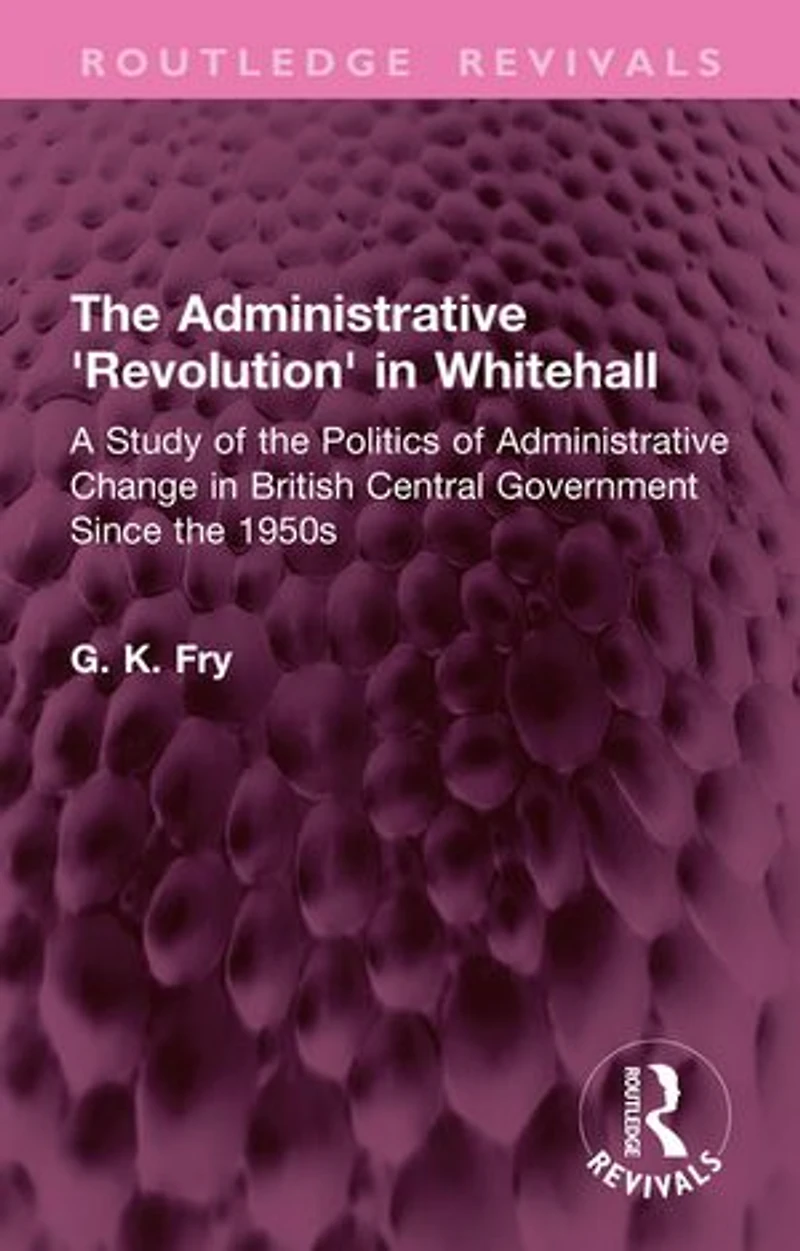
the Administrative 'Revolution' Whitehall: A Study of Politics Change British Central Government Since 1950s
Current price: $140.95

the Administrative 'Revolution' Whitehall: A Study of Politics Change British Central Government Since 1950s
Current price: $140.95
Loading Inventory...
Size: Hardcover
*Product information may vary - to confirm product availability, pricing, shipping and return information please contact Indigo
In the latter half of the twentieth century, an administrative revolution took place in British central government, which few parts of central government, from the Treasury downwards, escaped. Originally published in 1981, this book provides a comprehensive, analytical review of these changes. It relates them to the context of policy changes, and poses the question, what did this 'orgy of reform' actually achieve? The author maintains that the basic aim of the reformers was to create new administrative machinery which would halve Britain's economic decline, find a new role in the world for post-Imperial Britain and lead to a new, more positive role for the State within Britain. He argues convincingly that although some reforms were useful in themselves, others were not, and that the basic aim of the reformers met with failure. At a time when there is much scrutiny of the British Civil Service, this classic book has an enduring relevance.
In the latter half of the twentieth century, an administrative revolution took place in British central government, which few parts of central government, from the Treasury downwards, escaped. Originally published in 1981, this book provides a comprehensive, analytical review of these changes. It relates them to the context of policy changes, and poses the question, what did this 'orgy of reform' actually achieve? The author maintains that the basic aim of the reformers was to create new administrative machinery which would halve Britain's economic decline, find a new role in the world for post-Imperial Britain and lead to a new, more positive role for the State within Britain. He argues convincingly that although some reforms were useful in themselves, others were not, and that the basic aim of the reformers met with failure. At a time when there is much scrutiny of the British Civil Service, this classic book has an enduring relevance.
You May Also Like











More About Indigo at Erin Mills Town Centre
The largest book retailer in Canada also offers toys, music, home décor, gifts and lifestyle products. What's Inside...Books, Magazines, CD’s and DVD’s, Toys and Gifts, Home Accents, Electronics, Baby’s and Children’s Section, Bath and Body, Kitchen and Bedroom, Stationary Located outside in the exterior plaza.
5015 Glen Erin Dr, Mississauga, ON L5M 0R7, Canada
Find Indigo at Erin Mills Town Centre in Mississauga ON
Visit Indigo at Erin Mills Town Centre in Mississauga ON