

GIVE THE PERFECT GIFT
Erin Mills Town Centre Gift Cards are the perfect choice for your gift giving needs.Purchase gift cards at kiosks near the food court or centre court, at Guest Services, or click below to purchase online.PURCHASE HEREHome
The Age of Courtly Writing: Wen xuan Compiler Xiao Tong (501-531) and His Circle
Indigo
Loading Inventory...
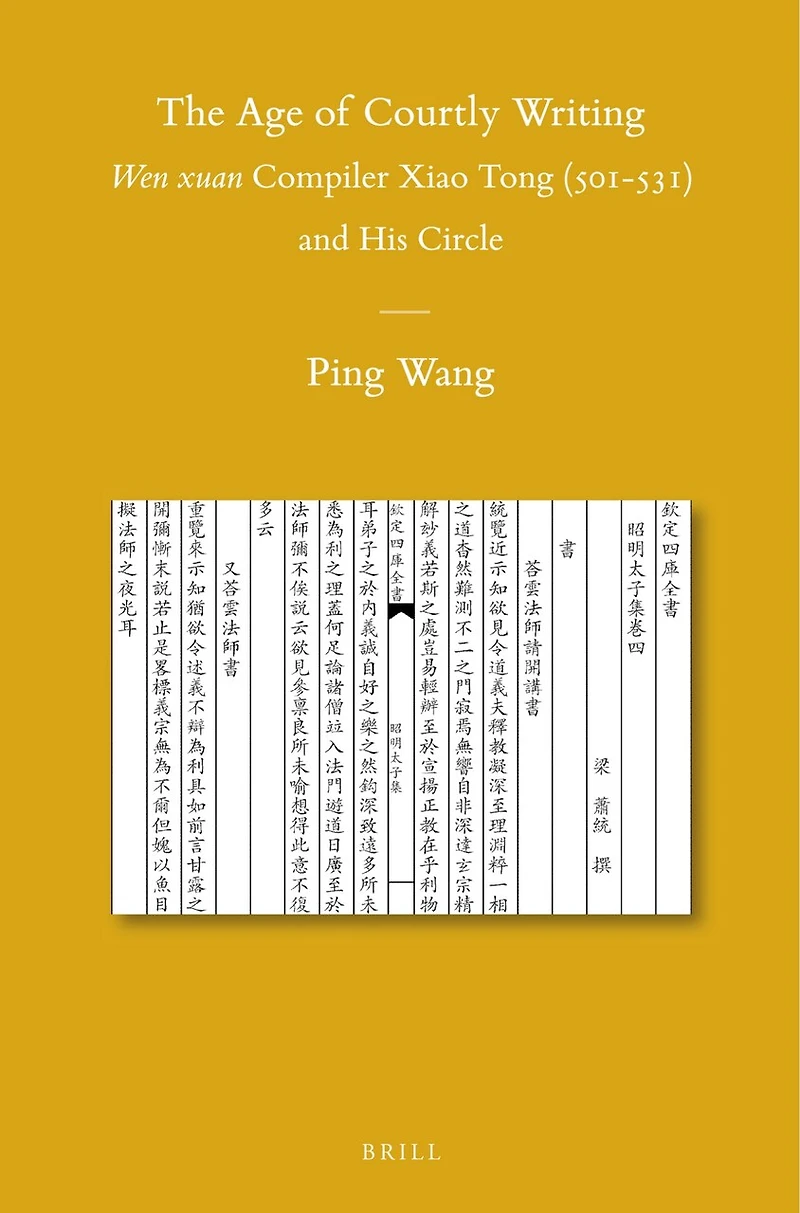
The Age of Courtly Writing: Wen xuan Compiler Xiao Tong (501-531) and His Circle
Current price: $228.99

The Age of Courtly Writing: Wen xuan Compiler Xiao Tong (501-531) and His Circle
Current price: $228.99
Loading Inventory...
Size: Hardcover
*Product information may vary - to confirm product availability, pricing, shipping and return information please contact Indigo
Scholarship on Xiao Tong in both China and the West has paid little attention to his own writings beyond the influential anthology compiled by the Liang Crown Prince. Adopting a philological approach, this book thorougly examines a multitude of texts written by Xiao Tong and his entourage, many of whom were powerful writers in their own right. In addition to drawing a picture of important aspects of Liang court culture such as education, literary composition, personal relations, and ideological and religious trends, this study also redresses a long-standing bias against court poetry. It will enhance our understanding not only of the early sixth-century but also, indirectly, of a significant portion of pre-modern Chinese literature in general.
Scholarship on Xiao Tong in both China and the West has paid little attention to his own writings beyond the influential anthology compiled by the Liang Crown Prince. Adopting a philological approach, this book thorougly examines a multitude of texts written by Xiao Tong and his entourage, many of whom were powerful writers in their own right. In addition to drawing a picture of important aspects of Liang court culture such as education, literary composition, personal relations, and ideological and religious trends, this study also redresses a long-standing bias against court poetry. It will enhance our understanding not only of the early sixth-century but also, indirectly, of a significant portion of pre-modern Chinese literature in general.
You May Also Like








More About Indigo at Erin Mills Town Centre
The largest book retailer in Canada also offers toys, music, home décor, gifts and lifestyle products. What's Inside...Books, Magazines, CD’s and DVD’s, Toys and Gifts, Home Accents, Electronics, Baby’s and Children’s Section, Bath and Body, Kitchen and Bedroom, Stationary Located outside in the exterior plaza.
5015 Glen Erin Dr, Mississauga, ON L5M 0R7, Canada
Find Indigo at Erin Mills Town Centre in Mississauga ON
Visit Indigo at Erin Mills Town Centre in Mississauga ON