

GIVE THE PERFECT GIFT
Erin Mills Town Centre Gift Cards are the perfect choice for your gift giving needs.Purchase gift cards at kiosks near the food court or centre court, at Guest Services, or click below to purchase online.PURCHASE HEREHome
the Anatomy of Zulu Army: From Shaka to Cetshwayo, 1818-1879
Indigo
Loading Inventory...
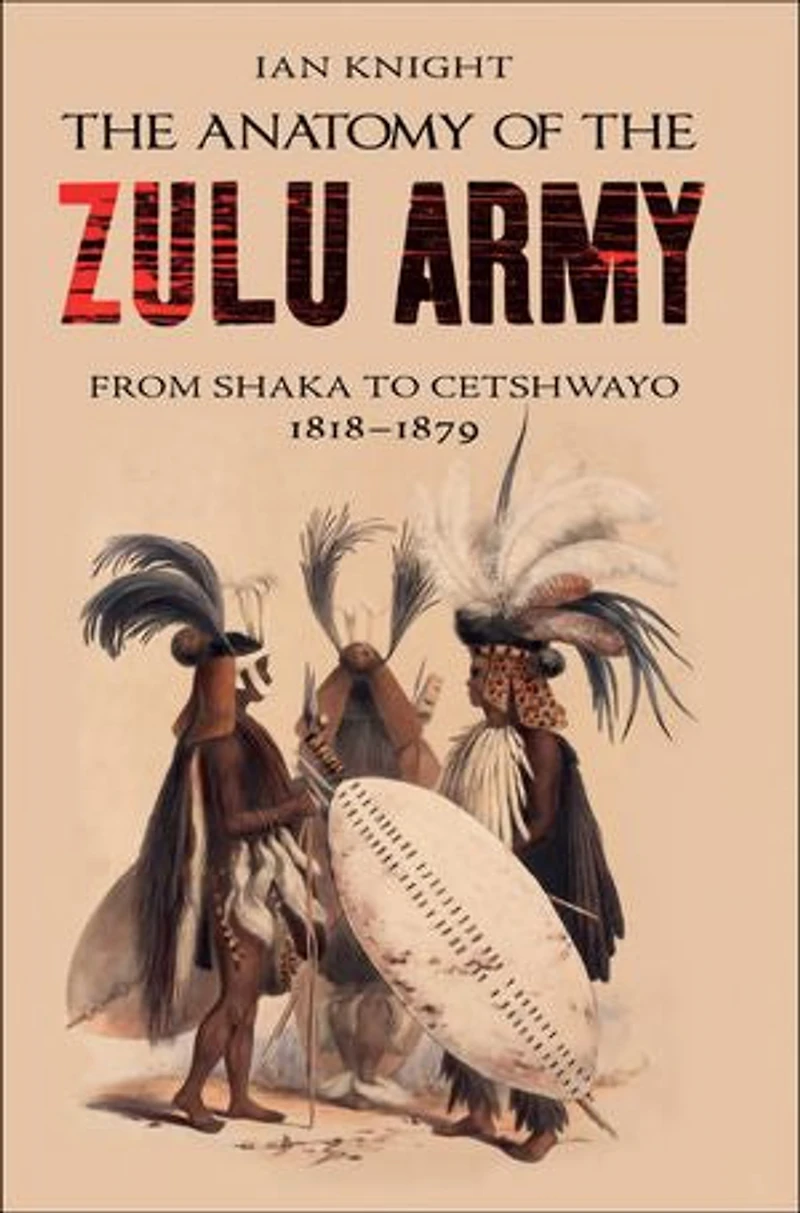
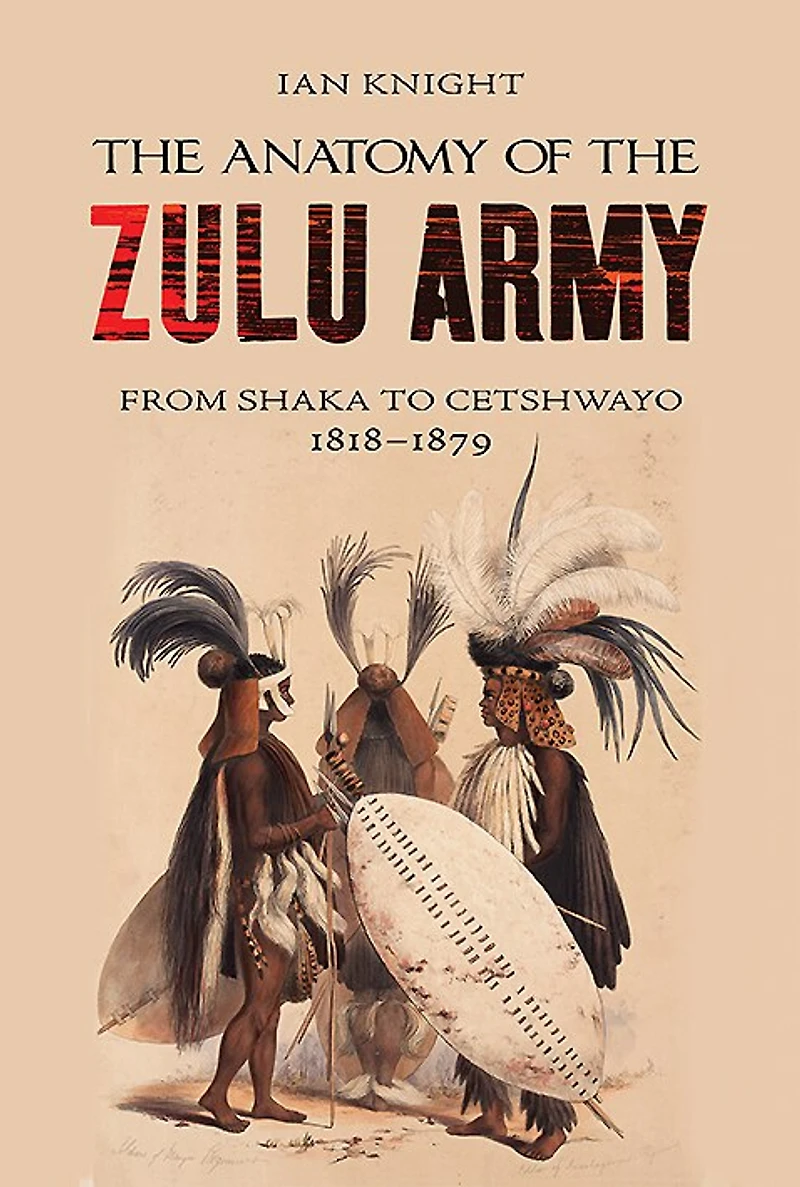
the Anatomy of Zulu Army: From Shaka to Cetshwayo, 1818-1879
Current price: $14.39
Original price: $17.99

the Anatomy of Zulu Army: From Shaka to Cetshwayo, 1818-1879
Current price: $14.39
Original price: $17.99
Loading Inventory...
Size: Kobo eBook
*Product information may vary - to confirm product availability, pricing, shipping and return information please contact Indigo
Forces of the independent Zulu kingdom inflicted a crushing defeat on British imperial forces at Isandlwana in January 1879. The Zulu Army was not, however, a professional force, unlike its British counterpart, but was the mobilized manpower of the Zulu state. Ian Knight details how the Zulu army functioned and ties its role firmly to the broader context of Zulu society and culture. The Zulu army had its roots in the early groups of young men who took part in combats between tribes, but such warfare was limited to disputes over cattle ownership, grazing rights, or avenging insults. In the early nineteenth century the Zulu nation began a period of rapid expansion, and King Shaka began to reform his forces into regular military units. Ian Knight charts the development and training of the men that formed the impi which later operated so successfully under King Cetshwayo. He analyzes the Zulu's fighting methods, weapons and philosophy, all of which led to the disciplined force that faced the British army in 1879.
Forces of the independent Zulu kingdom inflicted a crushing defeat on British imperial forces at Isandlwana in January 1879. The Zulu Army was not, however, a professional force, unlike its British counterpart, but was the mobilized manpower of the Zulu state. Ian Knight details how the Zulu army functioned and ties its role firmly to the broader context of Zulu society and culture. The Zulu army had its roots in the early groups of young men who took part in combats between tribes, but such warfare was limited to disputes over cattle ownership, grazing rights, or avenging insults. In the early nineteenth century the Zulu nation began a period of rapid expansion, and King Shaka began to reform his forces into regular military units. Ian Knight charts the development and training of the men that formed the impi which later operated so successfully under King Cetshwayo. He analyzes the Zulu's fighting methods, weapons and philosophy, all of which led to the disciplined force that faced the British army in 1879.
You May Also Like












More About Indigo at Erin Mills Town Centre
The largest book retailer in Canada also offers toys, music, home décor, gifts and lifestyle products. What's Inside...Books, Magazines, CD’s and DVD’s, Toys and Gifts, Home Accents, Electronics, Baby’s and Children’s Section, Bath and Body, Kitchen and Bedroom, Stationary Located outside in the exterior plaza.
5015 Glen Erin Dr, Mississauga, ON L5M 0R7, Canada
Find Indigo at Erin Mills Town Centre in Mississauga ON
Visit Indigo at Erin Mills Town Centre in Mississauga ON