

GIVE THE PERFECT GIFT
Erin Mills Town Centre Gift Cards are the perfect choice for your gift giving needs.Purchase gift cards at kiosks near the food court or centre court, at Guest Services, or click below to purchase online.PURCHASE HEREHome
The Ancient Emotion of Disgust
Indigo
Loading Inventory...
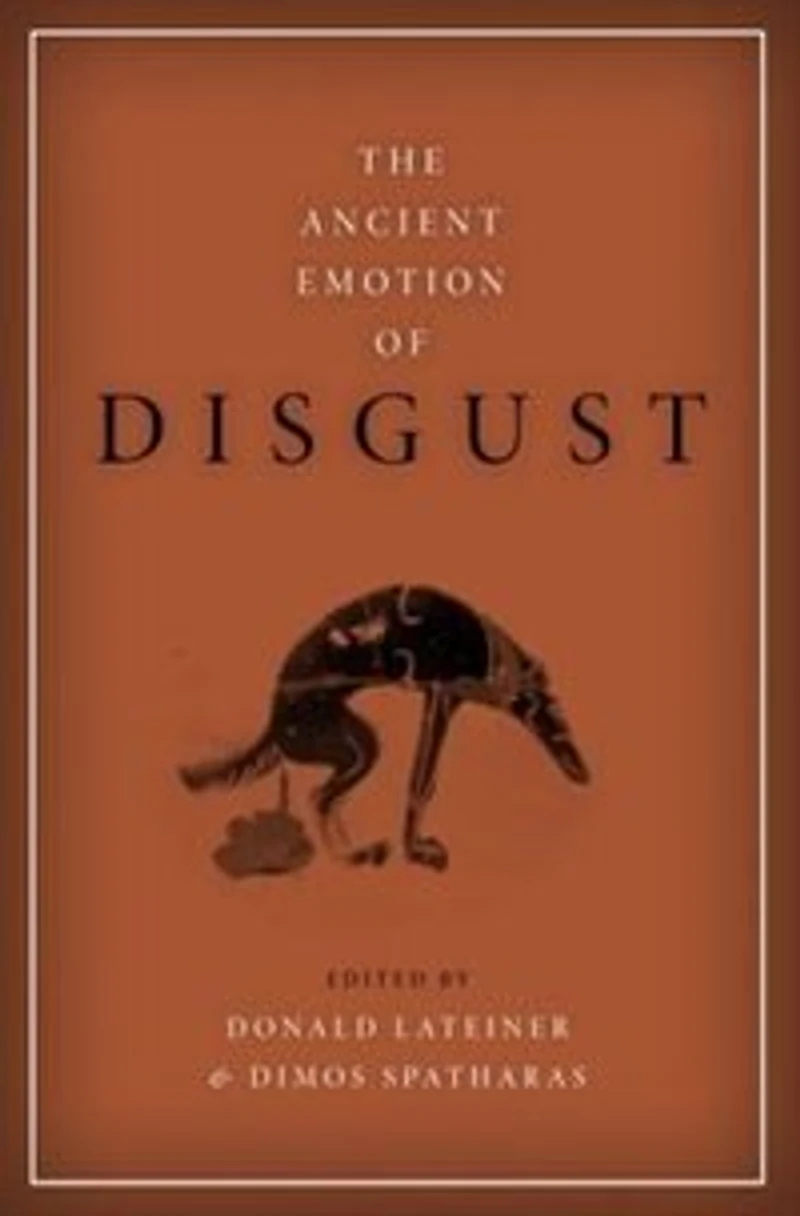
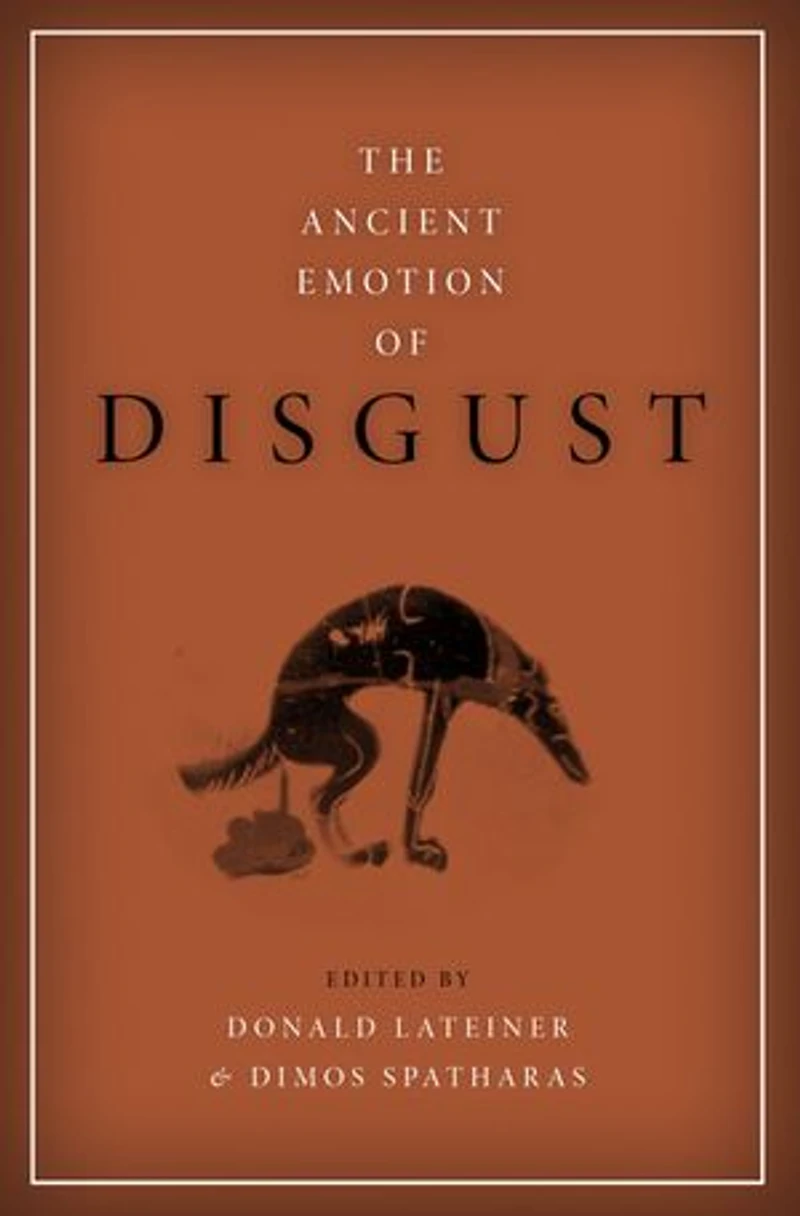
The Ancient Emotion of Disgust
Current price: $102.95

The Ancient Emotion of Disgust
Current price: $102.95
Loading Inventory...
Size: Hardcover
*Product information may vary - to confirm product availability, pricing, shipping and return information please contact Indigo
The study of emotions and emotional displays has achieved a deserved prominence in recent classical scholarship. The emotions of the classical world can be plumbed to provide a valuable heuristic tool. Emotions can help us understand key issues of ancient ethics, ideological assumptions, and normative behaviors, but, more frequently than not, classical scholars have turned their attention to "social emotions" requiring practical decisions and ethical judgments in public and private gatherings. The emotion of disgust has been unwarrantedly neglected, even though it figures saliently in many literary genres, such as iambic poetry and comedy, historiography, and even tragedy and philosophy.
This collection of seventeen essays by fifteen authors features the emotion of disgust as one cutting edge of the study of Greek and Roman antiquity. Individual contributions explore a wide range of topics. These include the semantics of the emotion both in Greek and Latin literature, its social uses as a means of marginalizing individuals or groups of individuals, such as politicians judged deviant or witches, its role in determining aesthetic judgments, and its potentialities as an elicitor of aesthetic pleasure. The papers also discuss the vocabulary and uses of disgust in life (Galli, actors, witches, homosexuals) and in many literary genres: ancient theater, oratory, satire, poetry, medicine, historiography, Hellenistic didactic and fable, and the Roman novel. The Introduction addresses key methodological issues concerning the nature of the emotion, its cognitive structure, and modern approaches to it. It also outlines the differences between ancient and modern disgust and emphasizes the appropriateness of "projective or second-level disgust" (vilification) as a means of marginalizing unwanted types of behavior and stigmatizing morally condemnable categories of individuals. The volume is addressed first to scholars who work in the field of classics, but, since texts involving disgust also exhibit significant cultural variation, the essays will attract the attention of scholars who work in a wide spectrum of disciplines, including history, social psychology, philosophy, anthropology, comparative literature, and cross-cultural studies.
The study of emotions and emotional displays has achieved a deserved prominence in recent classical scholarship. The emotions of the classical world can be plumbed to provide a valuable heuristic tool. Emotions can help us understand key issues of ancient ethics, ideological assumptions, and normative behaviors, but, more frequently than not, classical scholars have turned their attention to "social emotions" requiring practical decisions and ethical judgments in public and private gatherings. The emotion of disgust has been unwarrantedly neglected, even though it figures saliently in many literary genres, such as iambic poetry and comedy, historiography, and even tragedy and philosophy.
This collection of seventeen essays by fifteen authors features the emotion of disgust as one cutting edge of the study of Greek and Roman antiquity. Individual contributions explore a wide range of topics. These include the semantics of the emotion both in Greek and Latin literature, its social uses as a means of marginalizing individuals or groups of individuals, such as politicians judged deviant or witches, its role in determining aesthetic judgments, and its potentialities as an elicitor of aesthetic pleasure. The papers also discuss the vocabulary and uses of disgust in life (Galli, actors, witches, homosexuals) and in many literary genres: ancient theater, oratory, satire, poetry, medicine, historiography, Hellenistic didactic and fable, and the Roman novel. The Introduction addresses key methodological issues concerning the nature of the emotion, its cognitive structure, and modern approaches to it. It also outlines the differences between ancient and modern disgust and emphasizes the appropriateness of "projective or second-level disgust" (vilification) as a means of marginalizing unwanted types of behavior and stigmatizing morally condemnable categories of individuals. The volume is addressed first to scholars who work in the field of classics, but, since texts involving disgust also exhibit significant cultural variation, the essays will attract the attention of scholars who work in a wide spectrum of disciplines, including history, social psychology, philosophy, anthropology, comparative literature, and cross-cultural studies.
You May Also Like














More About Indigo at Erin Mills Town Centre
The largest book retailer in Canada also offers toys, music, home décor, gifts and lifestyle products. What's Inside...Books, Magazines, CD’s and DVD’s, Toys and Gifts, Home Accents, Electronics, Baby’s and Children’s Section, Bath and Body, Kitchen and Bedroom, Stationary Located outside in the exterior plaza.
5015 Glen Erin Dr, Mississauga, ON L5M 0R7, Canada
Find Indigo at Erin Mills Town Centre in Mississauga ON
Visit Indigo at Erin Mills Town Centre in Mississauga ON