

GIVE THE PERFECT GIFT
Erin Mills Town Centre Gift Cards are the perfect choice for your gift giving needs.Purchase gift cards at kiosks near the food court or centre court, at Guest Services, or click below to purchase online.PURCHASE HEREHome
The Ascetic Qur’an and Its Kharijite Readers
Indigo
Loading Inventory...
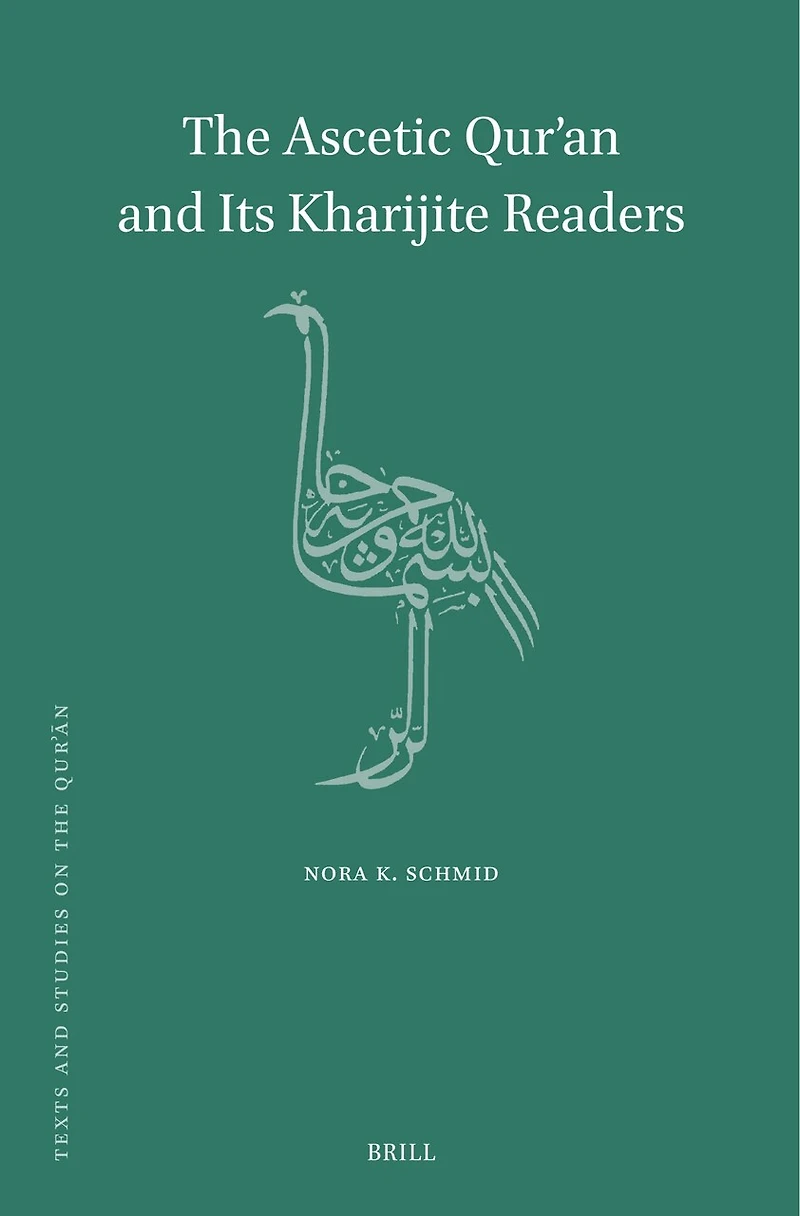
The Ascetic Qur’an and Its Kharijite Readers
Current price: $154.99

The Ascetic Qur’an and Its Kharijite Readers
Current price: $154.99
Loading Inventory...
Size: Hardcover
*Product information may vary - to confirm product availability, pricing, shipping and return information please contact Indigo
Research on Islamic asceticism frequently highlights practices and ideas described in premodern Islamic literature on renunciation ( zuhd ). This study redirects our attention to the Qur’an’s ascetic dimension and its reception in the poems and sermons of the Kharijites, an early Islamic group known for extreme piety. It sheds light on the Qur’an’s engagement with late antique ascetic ideas, notably regarding scriptural reading and recitation. In their reception of the Qur’an, the Kharijites developed practices of reading and recitation characterized by the interiorization and enactment of scripture. This book offers a new view of the religious culture of the first and early second centuries of Islam through the lens of an understudied group and its attempts to put the Qur’an into practice.
Research on Islamic asceticism frequently highlights practices and ideas described in premodern Islamic literature on renunciation ( zuhd ). This study redirects our attention to the Qur’an’s ascetic dimension and its reception in the poems and sermons of the Kharijites, an early Islamic group known for extreme piety. It sheds light on the Qur’an’s engagement with late antique ascetic ideas, notably regarding scriptural reading and recitation. In their reception of the Qur’an, the Kharijites developed practices of reading and recitation characterized by the interiorization and enactment of scripture. This book offers a new view of the religious culture of the first and early second centuries of Islam through the lens of an understudied group and its attempts to put the Qur’an into practice.
You May Also Like







More About Indigo at Erin Mills Town Centre
The largest book retailer in Canada also offers toys, music, home décor, gifts and lifestyle products. What's Inside...Books, Magazines, CD’s and DVD’s, Toys and Gifts, Home Accents, Electronics, Baby’s and Children’s Section, Bath and Body, Kitchen and Bedroom, Stationary Located outside in the exterior plaza.
5015 Glen Erin Dr, Mississauga, ON L5M 0R7, Canada
Find Indigo at Erin Mills Town Centre in Mississauga ON
Visit Indigo at Erin Mills Town Centre in Mississauga ON