

GIVE THE PERFECT GIFT
Erin Mills Town Centre Gift Cards are the perfect choice for your gift giving needs.Purchase gift cards at kiosks near the food court or centre court, at Guest Services, or click below to purchase online.PURCHASE HEREHome
The Black Panther Party and Transformative Pedagogy: Place-Based Education Philadelphia
Indigo
Loading Inventory...
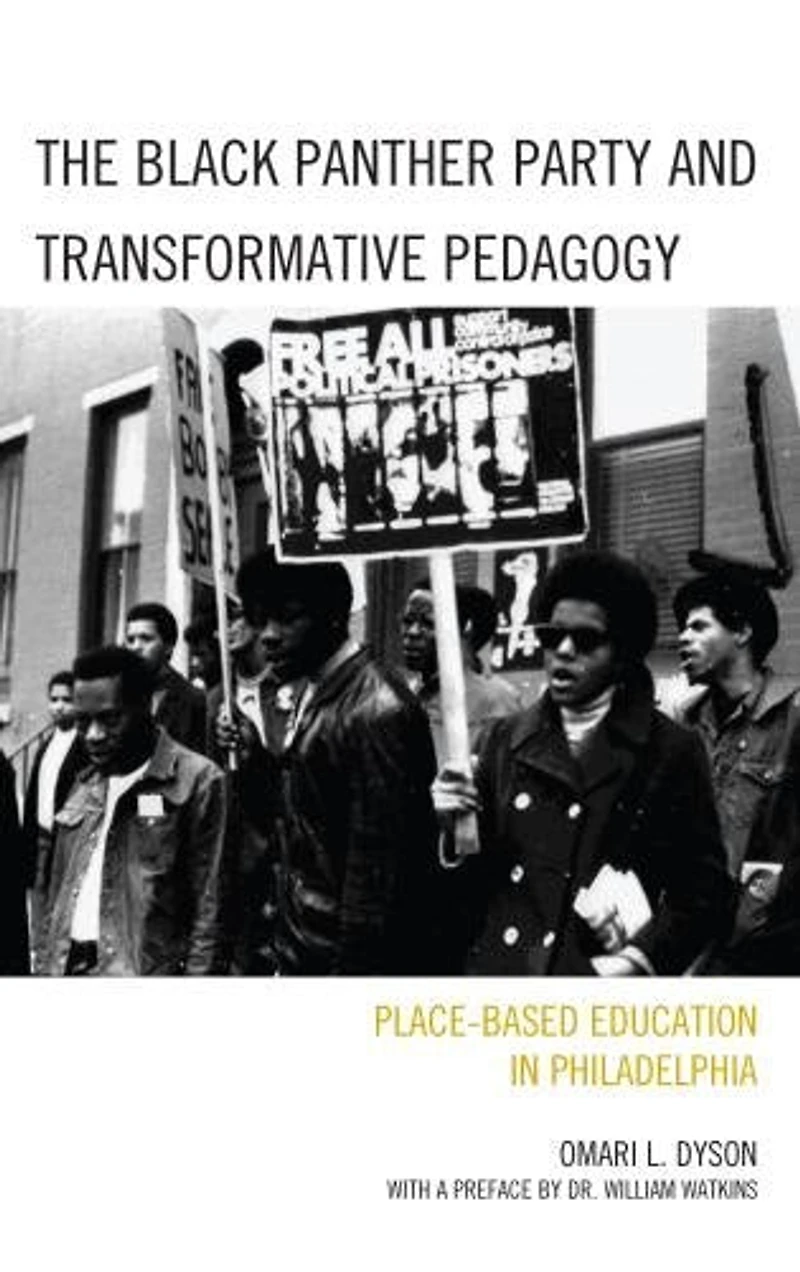
The Black Panther Party and Transformative Pedagogy: Place-Based Education Philadelphia
Current price: $189.95

The Black Panther Party and Transformative Pedagogy: Place-Based Education Philadelphia
Current price: $189.95
Loading Inventory...
Size: Hardcover
*Product information may vary - to confirm product availability, pricing, shipping and return information please contact Indigo
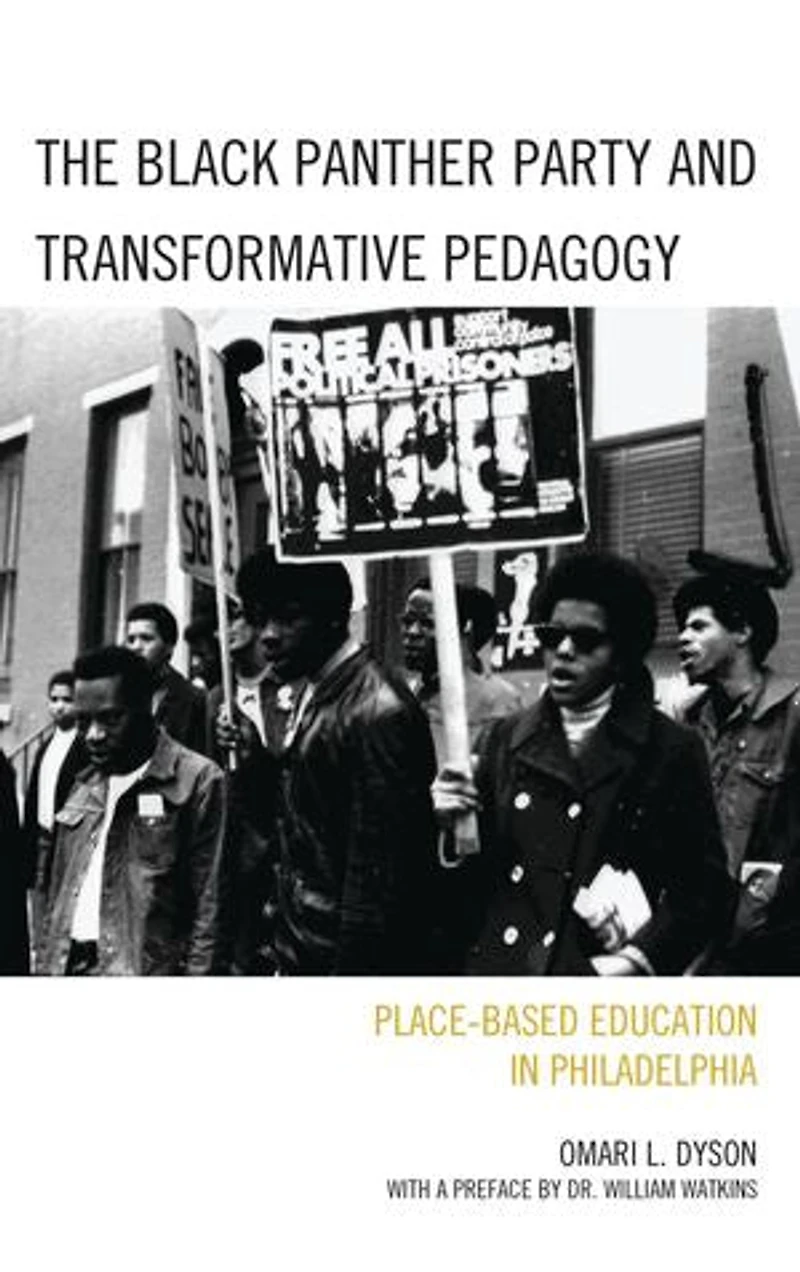
The Black Panther Party and Transformative Pedagogy: Place-Based Education in Philadelphia, by Omari L. Dyson,is the first scholarly text to detail the social relief efforts of the Philadelphia, Pennsylvania Branch of the Black Panther Party. Through a postcolonial lens, this story captures the lived resistances, highlights the socio-historical context, and examines the discourse of former members of the Black Panther Party and local residents of Philadelphia from 1968-1974. Overall, this book provides insight from a multiplicity of sources to better capture the identity(-ies) and complexity of the organization. Not only does this text resolve a dearth in the literature that highlights the multiple facets of the Black Panther Party (especially at the local level), but it serves as a template on effective strategies for researchers, educators, and policymakers to implement on their quest for social and educational transformation.
The Black Panther Party and Transformative Pedagogy: Place-Based Education in Philadelphia, by Omari L. Dyson,is the first scholarly text to detail the social relief efforts of the Philadelphia, Pennsylvania Branch of the Black Panther Party. Through a postcolonial lens, this story captures the lived resistances, highlights the socio-historical context, and examines the discourse of former members of the Black Panther Party and local residents of Philadelphia from 1968-1974. Overall, this book provides insight from a multiplicity of sources to better capture the identity(-ies) and complexity of the organization. Not only does this text resolve a dearth in the literature that highlights the multiple facets of the Black Panther Party (especially at the local level), but it serves as a template on effective strategies for researchers, educators, and policymakers to implement on their quest for social and educational transformation.
You May Also Like








More About Indigo at Erin Mills Town Centre
The largest book retailer in Canada also offers toys, music, home décor, gifts and lifestyle products. What's Inside...Books, Magazines, CD’s and DVD’s, Toys and Gifts, Home Accents, Electronics, Baby’s and Children’s Section, Bath and Body, Kitchen and Bedroom, Stationary Located outside in the exterior plaza.
5015 Glen Erin Dr, Mississauga, ON L5M 0R7, Canada
Find Indigo at Erin Mills Town Centre in Mississauga ON
Visit Indigo at Erin Mills Town Centre in Mississauga ON