

GIVE THE PERFECT GIFT
Erin Mills Town Centre Gift Cards are the perfect choice for your gift giving needs.Purchase gift cards at kiosks near the food court or centre court, at Guest Services, or click below to purchase online.PURCHASE HEREHome
The Body of Evidence: Corpses and Proofs in Early Modern European Medicine
Indigo
Loading Inventory...
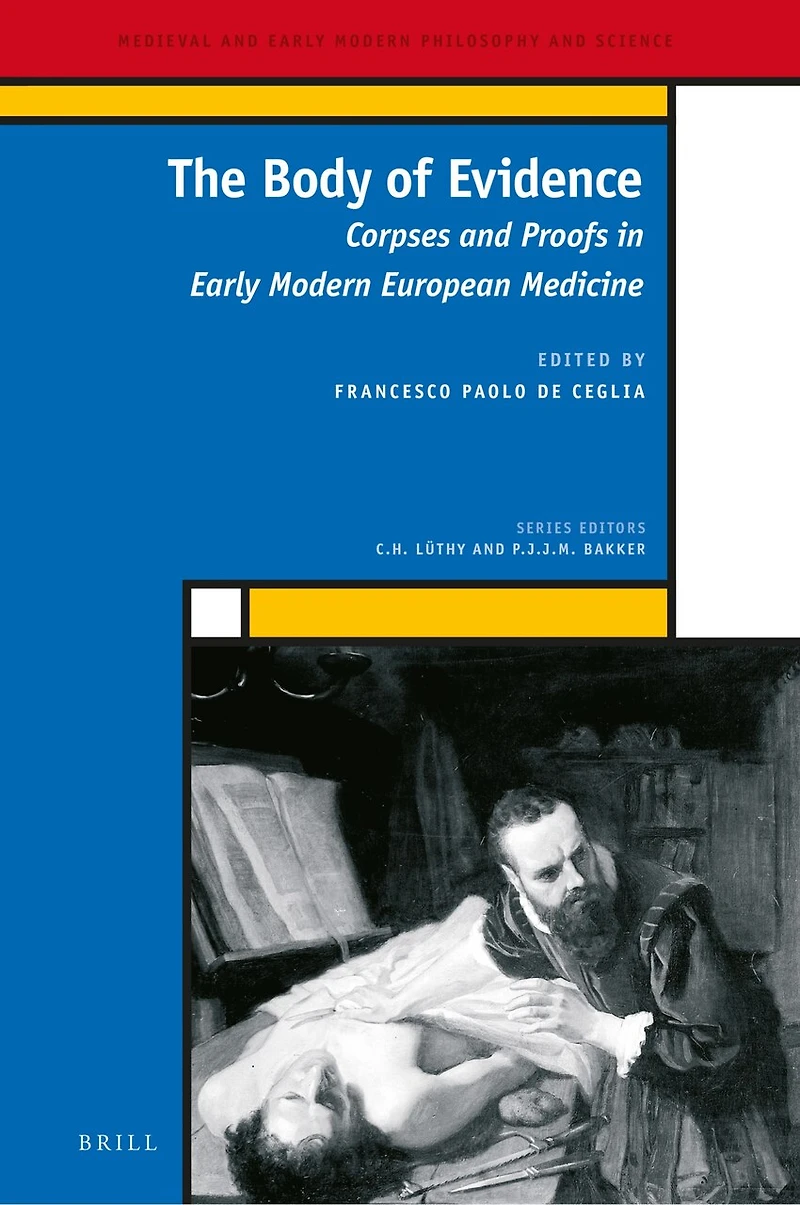
The Body of Evidence: Corpses and Proofs in Early Modern European Medicine
Current price: $275.99

The Body of Evidence: Corpses and Proofs in Early Modern European Medicine
Current price: $275.99
Loading Inventory...
Size: Hardcover
*Product information may vary - to confirm product availability, pricing, shipping and return information please contact Indigo
When, why and how was it first believed that the corpse could reveal ‘signs’ useful for understanding the causes of death and eventually identifying those responsible for it? The Body of Evidence. Corpses and Proofs in Early Modern European Medicine , edited by Francesco Paolo de Ceglia, shows how in the late Middle Ages the dead body, which had previously rarely been questioned, became a specific object of investigation by doctors, philosophers, theologians and jurists. The volume sheds new light on the elements of continuity, but also on the effort made to liberate the semantization of the corpse from what were, broadly speaking, necromantic practices, which would eventually merge into forensic medicine.
When, why and how was it first believed that the corpse could reveal ‘signs’ useful for understanding the causes of death and eventually identifying those responsible for it? The Body of Evidence. Corpses and Proofs in Early Modern European Medicine , edited by Francesco Paolo de Ceglia, shows how in the late Middle Ages the dead body, which had previously rarely been questioned, became a specific object of investigation by doctors, philosophers, theologians and jurists. The volume sheds new light on the elements of continuity, but also on the effort made to liberate the semantization of the corpse from what were, broadly speaking, necromantic practices, which would eventually merge into forensic medicine.
You May Also Like







More About Indigo at Erin Mills Town Centre
The largest book retailer in Canada also offers toys, music, home décor, gifts and lifestyle products. What's Inside...Books, Magazines, CD’s and DVD’s, Toys and Gifts, Home Accents, Electronics, Baby’s and Children’s Section, Bath and Body, Kitchen and Bedroom, Stationary Located outside in the exterior plaza.
5015 Glen Erin Dr, Mississauga, ON L5M 0R7, Canada
Find Indigo at Erin Mills Town Centre in Mississauga ON
Visit Indigo at Erin Mills Town Centre in Mississauga ON