

GIVE THE PERFECT GIFT
Erin Mills Town Centre Gift Cards are the perfect choice for your gift giving needs.Purchase gift cards at kiosks near the food court or centre court, at Guest Services, or click below to purchase online.PURCHASE HEREHome
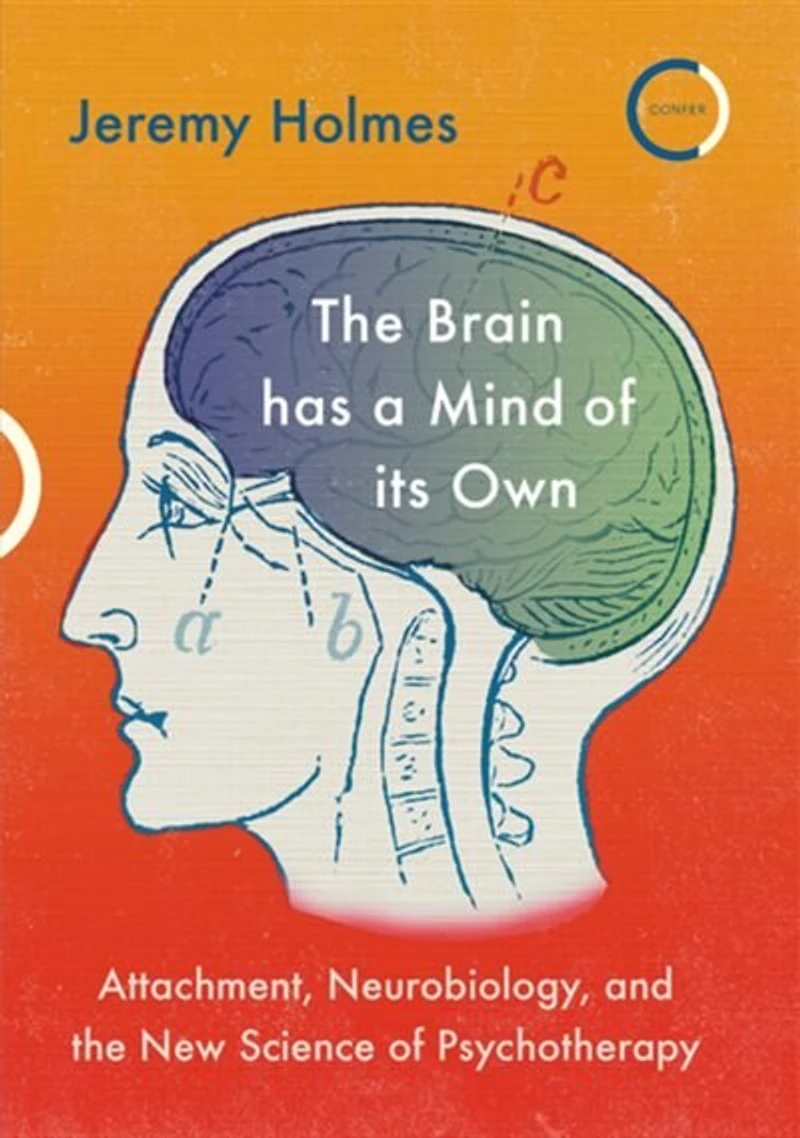
The Brain Has A Mind Of Its Own: Attachment, Neurobiology, And The New Science Of Psychotherapy
Indigo
Loading Inventory...
The Brain Has A Mind Of Its Own: Attachment, Neurobiology, And The New Science Of Psychotherapy
Current price: $38.95

The Brain Has A Mind Of Its Own: Attachment, Neurobiology, And The New Science Of Psychotherapy
Current price: $38.95
Loading Inventory...
Size: Paperback
*Product information may vary - to confirm product availability, pricing, shipping and return information please contact Indigo
Psychotherapy is a practice in search of a theory. Recent advances in relational neuroscience and attachment research now offer convincing avenues for understanding how the ‘talking cure’ helps clients recover. Drawing on Karl Friston’s Free Energy Principle and contemporary attachment theory this book shows how psychotherapy works. This pioneering text provides a deep theoretical explanation for how psychotherapy helps sufferers overcome trauma, redress relationship difficulties and ameliorate depression. Neuroscience validates the psychoanalytic principles of establishing a trusting therapeutic secure base; using ambiguity to bring pre-formed assumptions into view for revision; dream analysis, free association and playfulness in extending clients’ repertoire of narratives for meeting life’s vicissitudes; and re-starting the capacity to learn from experience. Holmes demonstrates how psychotherapy works at a neuroscientific level, making complex ideas vivid and comprehensible for a wide readership.
Psychotherapy is a practice in search of a theory. Recent advances in relational neuroscience and attachment research now offer convincing avenues for understanding how the ‘talking cure’ helps clients recover. Drawing on Karl Friston’s Free Energy Principle and contemporary attachment theory this book shows how psychotherapy works. This pioneering text provides a deep theoretical explanation for how psychotherapy helps sufferers overcome trauma, redress relationship difficulties and ameliorate depression. Neuroscience validates the psychoanalytic principles of establishing a trusting therapeutic secure base; using ambiguity to bring pre-formed assumptions into view for revision; dream analysis, free association and playfulness in extending clients’ repertoire of narratives for meeting life’s vicissitudes; and re-starting the capacity to learn from experience. Holmes demonstrates how psychotherapy works at a neuroscientific level, making complex ideas vivid and comprehensible for a wide readership.
You May Also Like









More About Indigo at Erin Mills Town Centre
The largest book retailer in Canada also offers toys, music, home décor, gifts and lifestyle products. What's Inside...Books, Magazines, CD’s and DVD’s, Toys and Gifts, Home Accents, Electronics, Baby’s and Children’s Section, Bath and Body, Kitchen and Bedroom, Stationary Located outside in the exterior plaza.
5015 Glen Erin Dr, Mississauga, ON L5M 0R7, Canada
Find Indigo at Erin Mills Town Centre in Mississauga ON
Visit Indigo at Erin Mills Town Centre in Mississauga ON