

GIVE THE PERFECT GIFT
Erin Mills Town Centre Gift Cards are the perfect choice for your gift giving needs.Purchase gift cards at kiosks near the food court or centre court, at Guest Services, or click below to purchase online.PURCHASE HEREHome
the Burger Court and Rise of Judicial Right Lib/E
Indigo
Loading Inventory...
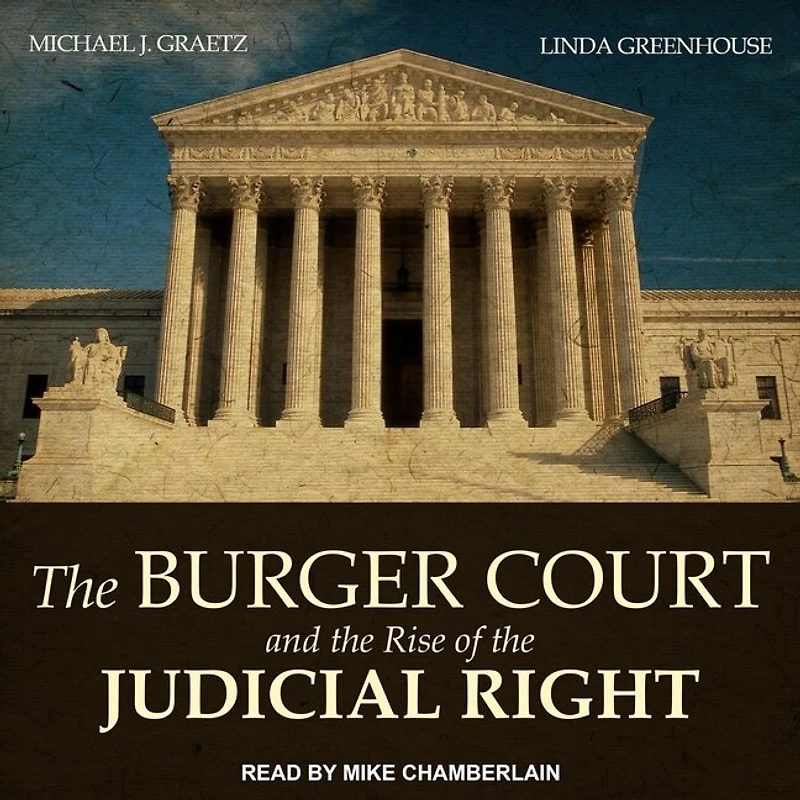
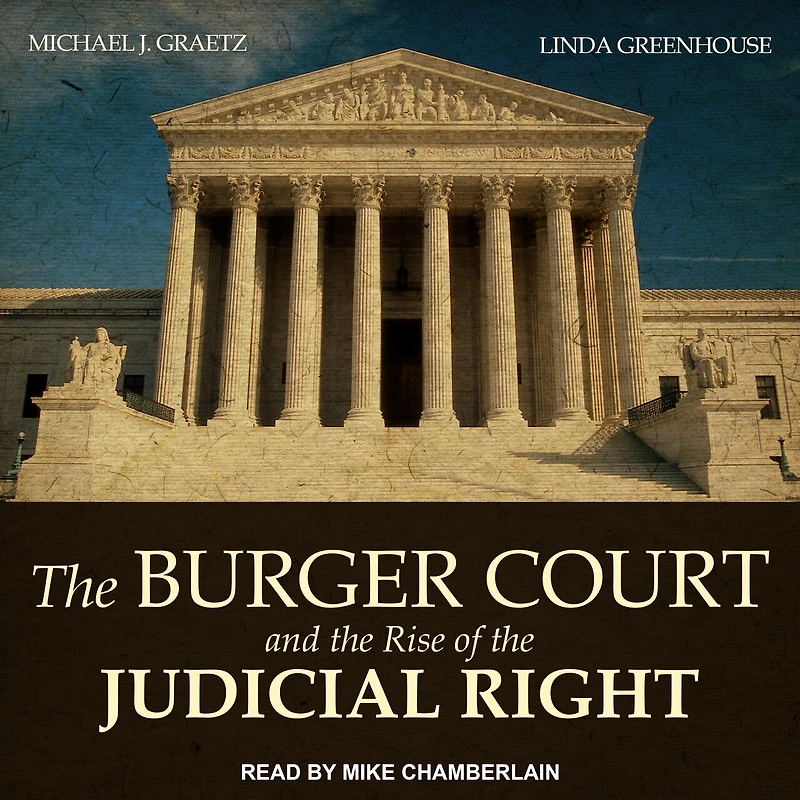
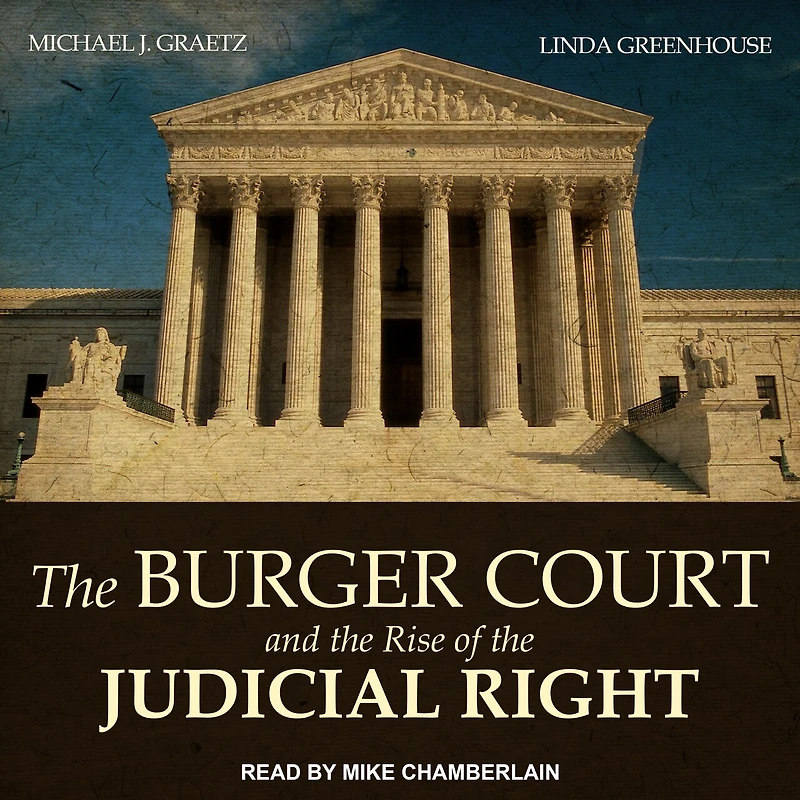
the Burger Court and Rise of Judicial Right Lib/E
Current price: $27.50

the Burger Court and Rise of Judicial Right Lib/E
Current price: $27.50
Loading Inventory...
Size: Audiobook (2017 A)
*Product information may vary - to confirm product availability, pricing, shipping and return information please contact Indigo
When Richard Nixon campaigned for the presidency in 1968 he promised to change the Supreme Court. With four appointments to the court, including Warren E. Burger as the chief justice, he did just that. In 1969, the Burger Court succeeded the famously liberal Warren Court, which had significantly expanded civil liberties and was despised by conservatives across the country. The Burger Court is often described as a transitional court between the Warren Court and the Rehnquist and Roberts Courts, a court where little of importance happened. But as this landmark new book ( The Christian Science Monitor ) shows, the Burger Court veered well to the right in such areas as criminal law, race, and corporate power. Authors Michael J. Graetz and Linda Greenhouse excavate the roots of the most significant Burger Court decisions and in elegant, illuminating arguments ( The Washington Post ) show how their legacy affects us today.
When Richard Nixon campaigned for the presidency in 1968 he promised to change the Supreme Court. With four appointments to the court, including Warren E. Burger as the chief justice, he did just that. In 1969, the Burger Court succeeded the famously liberal Warren Court, which had significantly expanded civil liberties and was despised by conservatives across the country. The Burger Court is often described as a transitional court between the Warren Court and the Rehnquist and Roberts Courts, a court where little of importance happened. But as this landmark new book ( The Christian Science Monitor ) shows, the Burger Court veered well to the right in such areas as criminal law, race, and corporate power. Authors Michael J. Graetz and Linda Greenhouse excavate the roots of the most significant Burger Court decisions and in elegant, illuminating arguments ( The Washington Post ) show how their legacy affects us today.
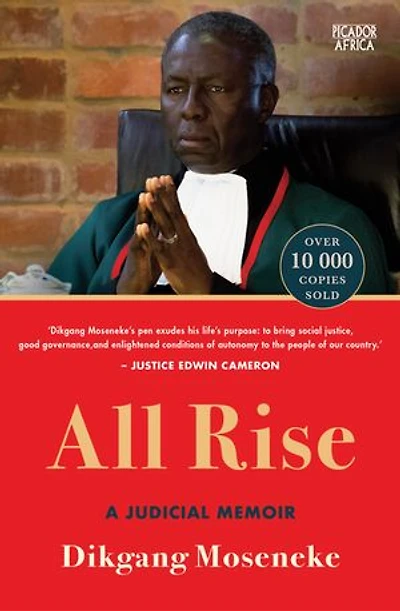
You May Also Like








More About Indigo at Erin Mills Town Centre
The largest book retailer in Canada also offers toys, music, home décor, gifts and lifestyle products. What's Inside...Books, Magazines, CD’s and DVD’s, Toys and Gifts, Home Accents, Electronics, Baby’s and Children’s Section, Bath and Body, Kitchen and Bedroom, Stationary Located outside in the exterior plaza.
5015 Glen Erin Dr, Mississauga, ON L5M 0R7, Canada
Find Indigo at Erin Mills Town Centre in Mississauga ON
Visit Indigo at Erin Mills Town Centre in Mississauga ON