

GIVE THE PERFECT GIFT
Erin Mills Town Centre Gift Cards are the perfect choice for your gift giving needs.Purchase gift cards at kiosks near the food court or centre court, at Guest Services, or click below to purchase online.PURCHASE HEREHome
The Cabots and the Discovery of America: With a Brief Description and History of Brandon Hill, the Site of the Cabot Memorial Tower
Indigo
Loading Inventory...
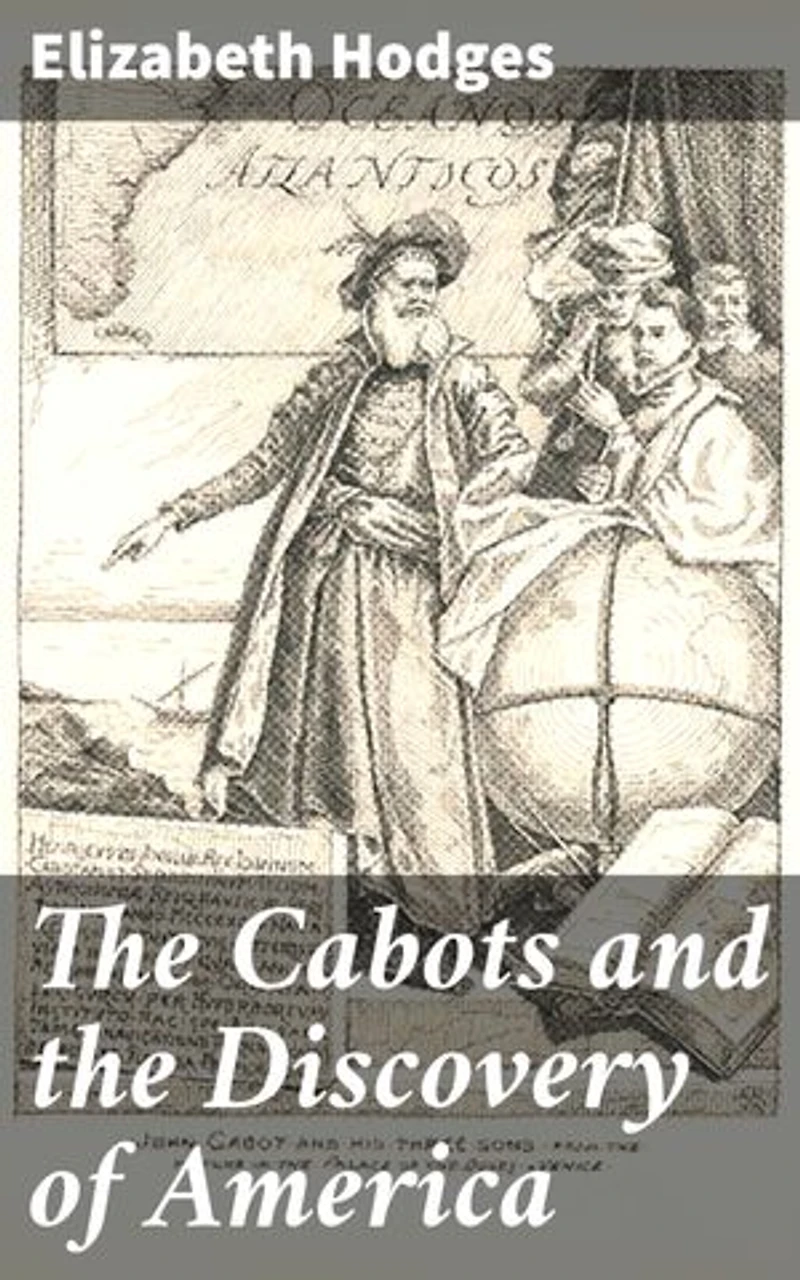
The Cabots and the Discovery of America: With a Brief Description and History of Brandon Hill, the Site of the Cabot Memorial Tower
Current price: $1.99

The Cabots and the Discovery of America: With a Brief Description and History of Brandon Hill, the Site of the Cabot Memorial Tower
Current price: $1.99
Loading Inventory...
Size: Kobo eBook
*Product information may vary - to confirm product availability, pricing, shipping and return information please contact Indigo
In "The Cabots and the Discovery of America," Elizabeth Hodges presents a meticulous examination of the Cabot family's pivotal role in the early 16th-century exploration of the Americas. Through a blend of vivid narrative and rigorous historical analysis, Hodges elucidates the political and economic motivations that spurred John and Sebastian Cabot on their transatlantic voyages. The book is structured chronologically, allowing readers to appreciate the gradual unfolding of exploration, replete with rich details that capture the era's maritime culture and the complexities of its international relations. Hodges' attention to primary sources imbues the work with authenticity, while her prose style remains accessible yet sophisticated, appealing to both scholars and general readers alike. Elizabeth Hodges, active between 1895 and 1897, emerged during a period rich in historical interest, particularly relating to the age of discovery. Her background in history and literature, combined with her passion for marine exploration narratives, provided the impetus for her exploration of the Cabots' legacy. By intertwining local lore and broader historical events, Hodges aims to excavate the often overlooked contributions of the Cabots to the narrative of American discovery. Hodges' book is an essential read for anyone interested in the foundational moments of American history or the maritime exploration of the New World. With its balanced approach and engaging storytelling, "The Cabots and the Discovery of America" invites readers to reconsider the narratives surrounding exploration and inspires a deeper appreciation of the Cabots' contributions to this critical chapter in history.
In "The Cabots and the Discovery of America," Elizabeth Hodges presents a meticulous examination of the Cabot family's pivotal role in the early 16th-century exploration of the Americas. Through a blend of vivid narrative and rigorous historical analysis, Hodges elucidates the political and economic motivations that spurred John and Sebastian Cabot on their transatlantic voyages. The book is structured chronologically, allowing readers to appreciate the gradual unfolding of exploration, replete with rich details that capture the era's maritime culture and the complexities of its international relations. Hodges' attention to primary sources imbues the work with authenticity, while her prose style remains accessible yet sophisticated, appealing to both scholars and general readers alike. Elizabeth Hodges, active between 1895 and 1897, emerged during a period rich in historical interest, particularly relating to the age of discovery. Her background in history and literature, combined with her passion for marine exploration narratives, provided the impetus for her exploration of the Cabots' legacy. By intertwining local lore and broader historical events, Hodges aims to excavate the often overlooked contributions of the Cabots to the narrative of American discovery. Hodges' book is an essential read for anyone interested in the foundational moments of American history or the maritime exploration of the New World. With its balanced approach and engaging storytelling, "The Cabots and the Discovery of America" invites readers to reconsider the narratives surrounding exploration and inspires a deeper appreciation of the Cabots' contributions to this critical chapter in history.
You May Also Like













More About Indigo at Erin Mills Town Centre
The largest book retailer in Canada also offers toys, music, home décor, gifts and lifestyle products. What's Inside...Books, Magazines, CD’s and DVD’s, Toys and Gifts, Home Accents, Electronics, Baby’s and Children’s Section, Bath and Body, Kitchen and Bedroom, Stationary Located outside in the exterior plaza.
5015 Glen Erin Dr, Mississauga, ON L5M 0R7, Canada
Find Indigo at Erin Mills Town Centre in Mississauga ON
Visit Indigo at Erin Mills Town Centre in Mississauga ON