

GIVE THE PERFECT GIFT
Erin Mills Town Centre Gift Cards are the perfect choice for your gift giving needs.Purchase gift cards at kiosks near the food court or centre court, at Guest Services, or click below to purchase online.PURCHASE HEREHome
The Cambridge Companion to the Sophists
Indigo
Loading Inventory...
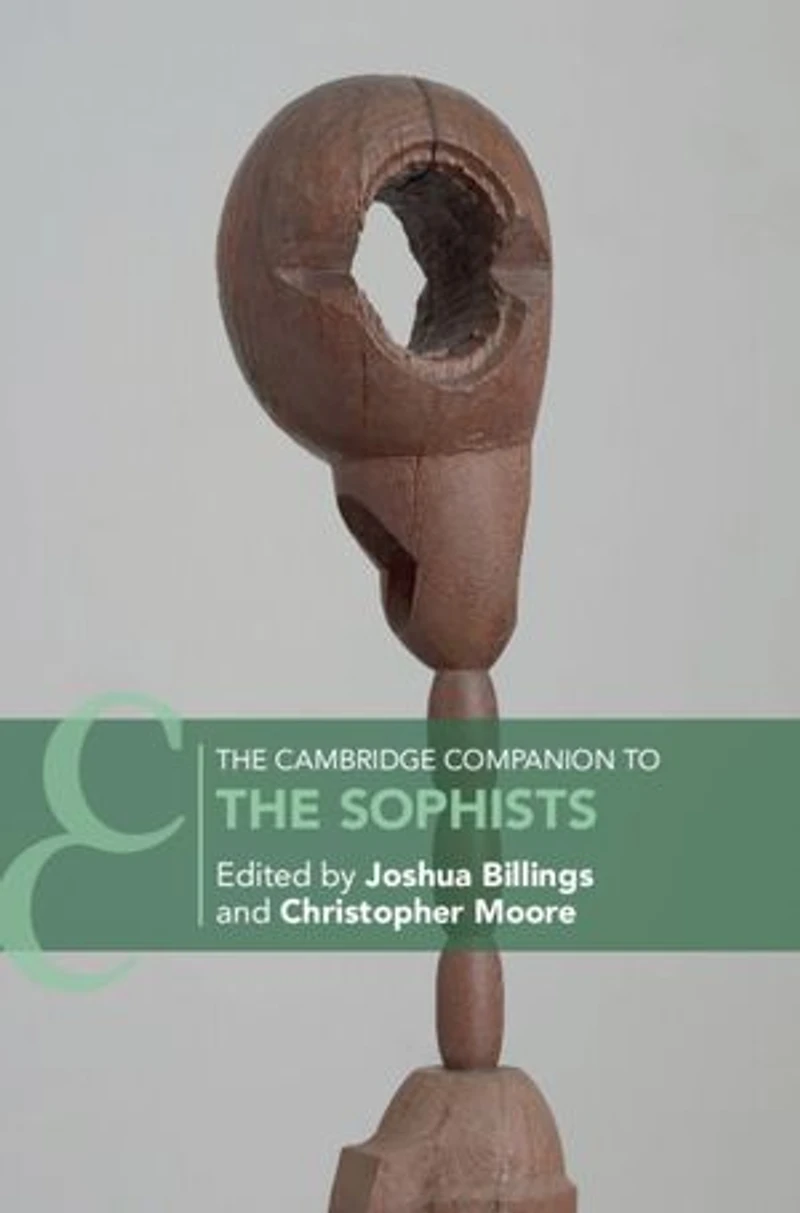
The Cambridge Companion to the Sophists
Current price: $38.39
Original price: $47.95

The Cambridge Companion to the Sophists
Current price: $38.39
Original price: $47.95
Loading Inventory...
Size: Kobo eBook
*Product information may vary - to confirm product availability, pricing, shipping and return information please contact Indigo
The Classical Greek sophists – Protagoras, Gorgias, Prodicus, Hippias, and Antiphon, among others – are some of the most important figures in the flourishing of linguistic, historical, and philosophical reflection at the time of Socrates. They are also some of the most controversial: what makes the sophists distinctive, and what they contributed to fifth-century intellectual culture, has been hotly debated since the time of Plato. They have often been derided as reactionaries, relativists or cynically superficial thinkers, or as mere opportunists, making money from wealthy democrats eager for public repute. This volume takes a fresh perspective on the sophists – who really counted as one; how distinctive they were; and what kind of sense later thinkers made of them. In three sections, contributors address the sophists' predecessors and historical and professional context; their major intellectual themes, including language, ethics, society, and religion; and their reception from the fourth century BCE to modernity.
The Classical Greek sophists – Protagoras, Gorgias, Prodicus, Hippias, and Antiphon, among others – are some of the most important figures in the flourishing of linguistic, historical, and philosophical reflection at the time of Socrates. They are also some of the most controversial: what makes the sophists distinctive, and what they contributed to fifth-century intellectual culture, has been hotly debated since the time of Plato. They have often been derided as reactionaries, relativists or cynically superficial thinkers, or as mere opportunists, making money from wealthy democrats eager for public repute. This volume takes a fresh perspective on the sophists – who really counted as one; how distinctive they were; and what kind of sense later thinkers made of them. In three sections, contributors address the sophists' predecessors and historical and professional context; their major intellectual themes, including language, ethics, society, and religion; and their reception from the fourth century BCE to modernity.
You May Also Like







More About Indigo at Erin Mills Town Centre
The largest book retailer in Canada also offers toys, music, home décor, gifts and lifestyle products. What's Inside...Books, Magazines, CD’s and DVD’s, Toys and Gifts, Home Accents, Electronics, Baby’s and Children’s Section, Bath and Body, Kitchen and Bedroom, Stationary Located outside in the exterior plaza.
5015 Glen Erin Dr, Mississauga, ON L5M 0R7, Canada
Find Indigo at Erin Mills Town Centre in Mississauga ON
Visit Indigo at Erin Mills Town Centre in Mississauga ON