

GIVE THE PERFECT GIFT
Erin Mills Town Centre Gift Cards are the perfect choice for your gift giving needs.Purchase gift cards at kiosks near the food court or centre court, at Guest Services, or click below to purchase online.PURCHASE HEREHome
The Catholic Epistles and Early Christian Communities
Indigo
Loading Inventory...
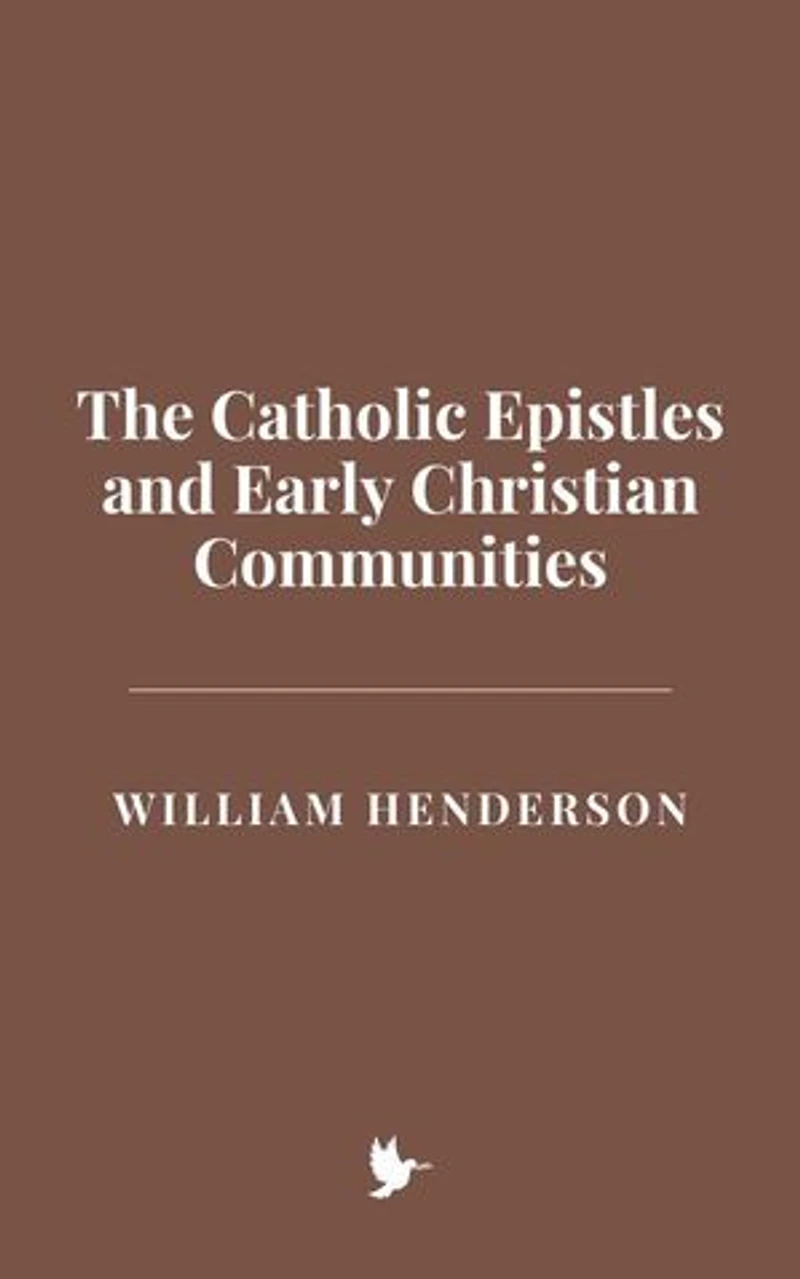
The Catholic Epistles and Early Christian Communities
Current price: $4.99

The Catholic Epistles and Early Christian Communities
Current price: $4.99
Loading Inventory...
Size: Kobo eBook
*Product information may vary - to confirm product availability, pricing, shipping and return information please contact Indigo
The early Christian movement, which emerged in the first century CE, was initially a small, persecuted sect within the Roman Empire. As it spread, however, it began to shape the very fabric of Western civilization, leaving behind a legacy of theological, social, and cultural transformation. Central to this development were the writings known as the Catholic Epistles, a group of seven letters found in the New Testament that were attributed to key figures in early Christianity, including James, Peter, John, and Jude. These letters, while distinct in their style and content, shared a common purpose: to guide, encourage, and exhort the early Christian communities spread across the Roman Empire. To understand the full impact of these writings, we must examine the historical context in which they were written, the key themes they explore, and the ways in which they influenced the shaping of Christian doctrine and practice.
The early Christian movement, which emerged in the first century CE, was initially a small, persecuted sect within the Roman Empire. As it spread, however, it began to shape the very fabric of Western civilization, leaving behind a legacy of theological, social, and cultural transformation. Central to this development were the writings known as the Catholic Epistles, a group of seven letters found in the New Testament that were attributed to key figures in early Christianity, including James, Peter, John, and Jude. These letters, while distinct in their style and content, shared a common purpose: to guide, encourage, and exhort the early Christian communities spread across the Roman Empire. To understand the full impact of these writings, we must examine the historical context in which they were written, the key themes they explore, and the ways in which they influenced the shaping of Christian doctrine and practice.
You May Also Like








More About Indigo at Erin Mills Town Centre
The largest book retailer in Canada also offers toys, music, home décor, gifts and lifestyle products. What's Inside...Books, Magazines, CD’s and DVD’s, Toys and Gifts, Home Accents, Electronics, Baby’s and Children’s Section, Bath and Body, Kitchen and Bedroom, Stationary Located outside in the exterior plaza.
5015 Glen Erin Dr, Mississauga, ON L5M 0R7, Canada
Find Indigo at Erin Mills Town Centre in Mississauga ON
Visit Indigo at Erin Mills Town Centre in Mississauga ON